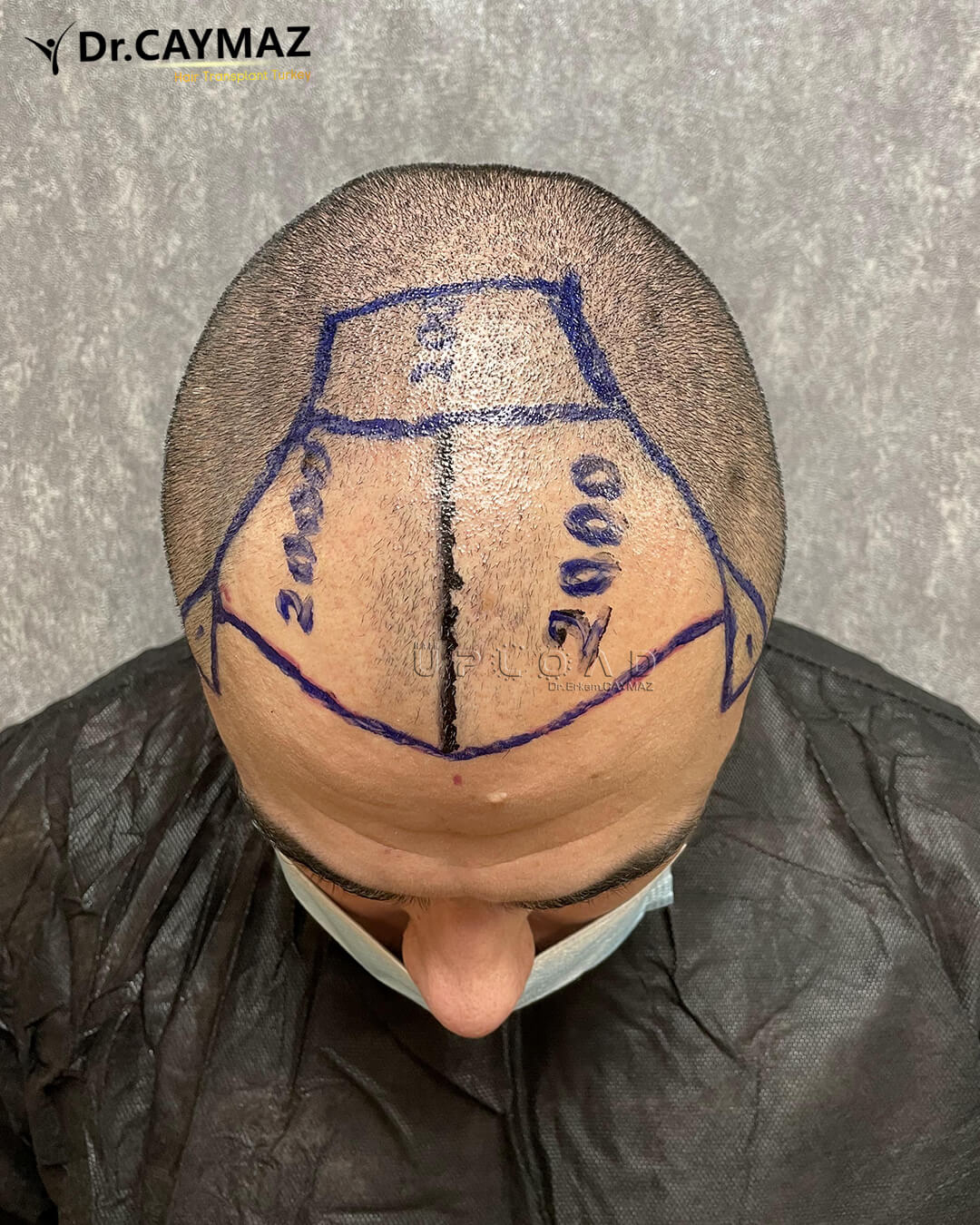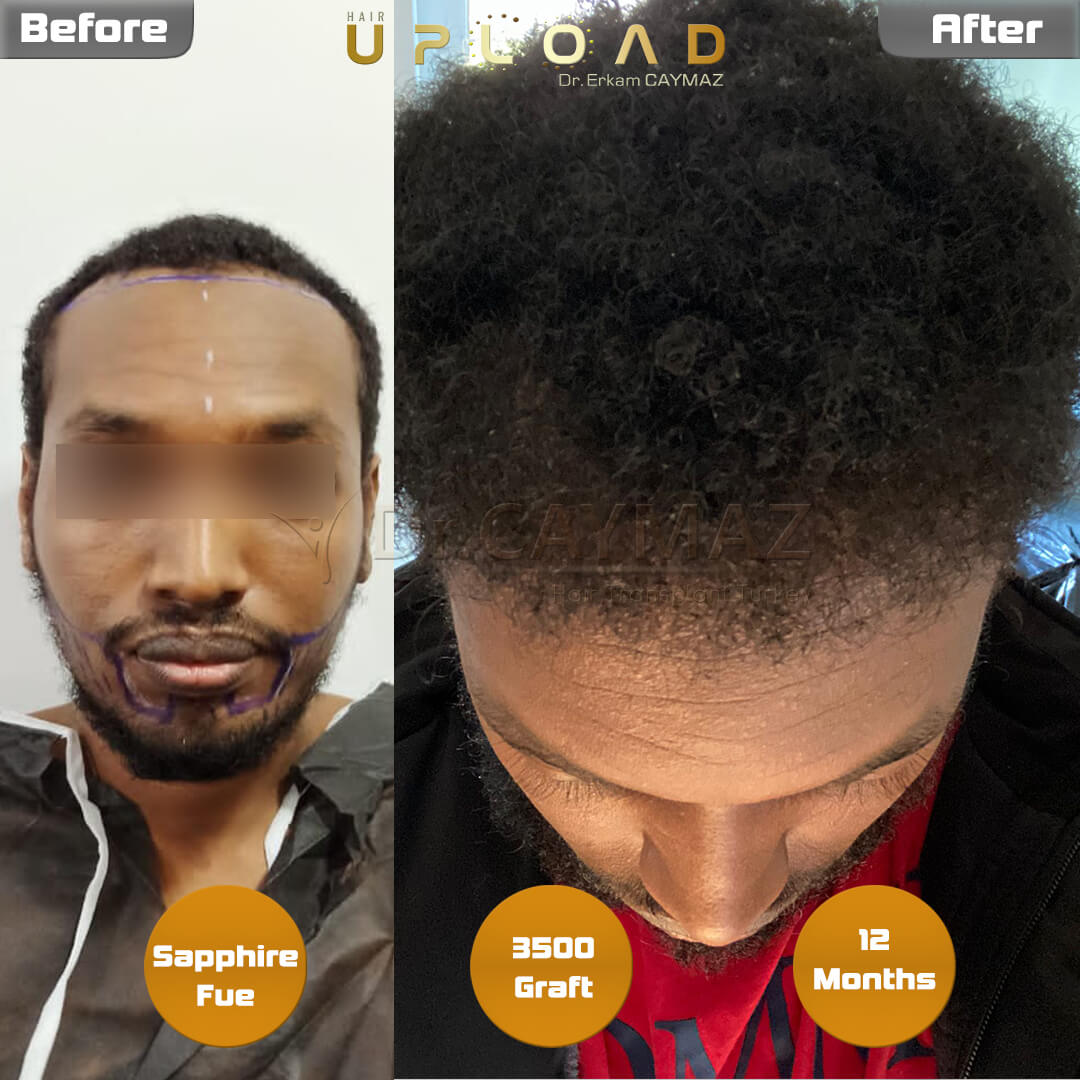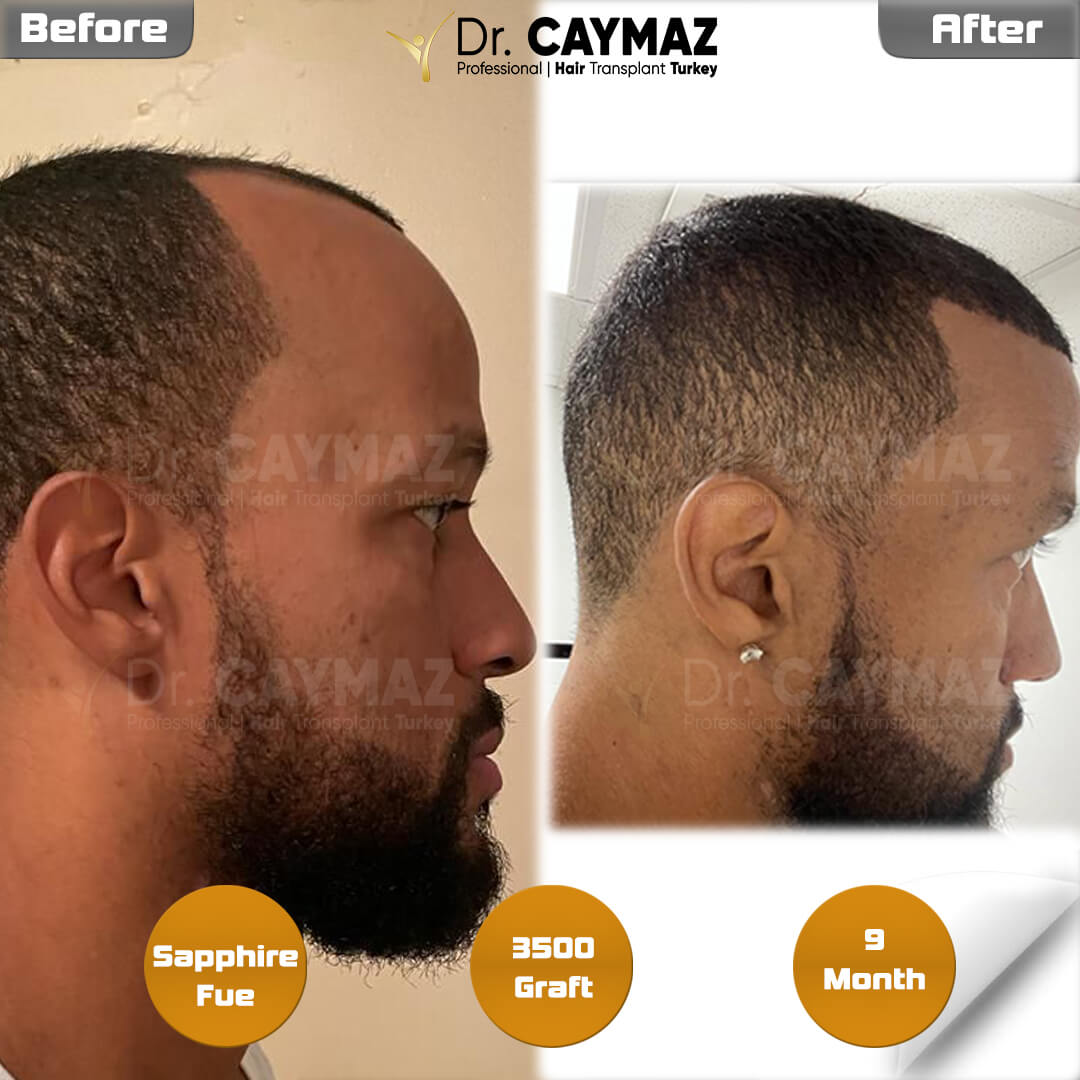

Most patients at Hair Upload Clinic in Istanbul can wear a loose, clean hat from day 10 after a sapphire FUE or DHI procedure, once grafts are anchored. Before that, any head covering risks dislodging follicles. Dr. Erkam’s team gives every HUC patient a day-by-day headwear plan before they fly home.
Direct answer: when can you cover your head after a transplant?
A hair transplant moves fragile follicular grafts from your donor area into tiny recipient channels in the balding zones. For the first several days, those grafts are held only by tiny blood clots and early healing tissue, so friction or pressure from a hat can shear them loose. The clinical rule we use at Hair Upload Clinic in Istanbul is simple: no headwear for the first 7 to 10 days, then a loose, clean, breathable hat only, and nothing tight or rubbing until at least week four.
Exactly when you can safely cover your head depends on how your recipient sites are healing, whether crusting has settled, and which technique was used. Sapphire FUE and DHI differ slightly in healing speed because of how the incisions are made, but the headwear principle is identical for both: the graft, not the hat, decides the timeline. At HU Clinic, Dr. Erkam and his team provide a personalised recovery schedule, including precise guidance on when headwear becomes safe for your specific case. Many international patients review best hair transplant clinics guide while planning their trip.
Why the first ten days matter so much: The Graft Anchoring Process
Each transplanted graft undergoes a predictable anchoring sequence, a delicate biological process fundamental to headwear rules. Understanding these phases helps patients appreciate the strict initial no-hat period:
- Days 0–3: Initial Clotting & Fibrin Adhesion: Immediately after surgery, grafts are held in place primarily by tiny fibrin clots. These are extremely fragile. Any pulling, rubbing, or pressure from a hat can easily dislodge them, leading to irreversible graft loss. We ask patients not to touch the area at all during this critical window, let alone wear a hat.
- Days 4–9: Early Revascularisation & Epithelialisation: New capillary connections begin forming, supplying vital blood to each follicle. The scalp skin around the grafts starts to heal over, and crusts begin to form around the tiny incisions. While grafts are slightly firmer, they are still highly vulnerable to shear forces or infection from external pressure and moisture.
- Days 10–14: Substantial Anchoring & Crusting Shedding: By now, the grafts are largely anchored within the recipient tissue as new collagen forms around them. Most crusts have started to shed naturally. A loose hat, placed and removed carefully, is generally tolerated from this window, but vigilance is still key. Dr. Erkam’s team will assess your individual healing progress before giving the green light.
- Weeks 3–6: Surface Healing Complete & Deeper Integration: The surface skin has healed, and the grafts are firmly integrated. Headwear is generally safe as long as it doesn’t rub aggressively against the donor area at the back, where sensation and healing may lag slightly.
Transplanted hairs typically shed around weeks two to four due to shock loss, an expected and temporary part of the natural hair cycle post-transplant. For clarity on normal shedding versus a problem, our shock loss and graft shedding guide is available.
Beyond Comfort: Legitimate Reasons for Early Headwear
While personal comfort is a factor, there are also practical and medical reasons why some patients may need to cover their head sooner than others:
- Return to Work & Social Life: Many patients schedule surgery to allow 10-14 days off, enabling them to return to work and social life with a hat once permitted. This helps cover visible redness, scabbing, or short transplanted hairs, easing their transition.
- Critical Sun Protection: Sun protection is a critical medical reason for a hat. Fresh recipient skin is highly sensitive to UV radiation. Direct sun exposure in the first two months risks severe sunburn, hyperpigmentation, or delayed healing. After day 10, a loose, wide-brimmed hat is often preferable to strong chemical sunscreens on delicate skin.
- Cultural or Religious Head Covering: Patients with daily cultural or religious head covering practices should discuss this during their initial consultation. Dr. Erkam can then factor this into the recovery schedule, recommending loose, breathable alternatives that respect their practices while protecting grafts.
- International Travel: International patients flying home in the first week must avoid airport caps and hoodies that might rub the delicate recipient area. We typically schedule flights so the critical initial anchoring window passes in Istanbul, or ensure patients are fully briefed on hat rules for their journey home.
- Extensive Procedures: For extensive procedures like body hair grafts, eyebrow work, or large megasessions (e.g., 4,000+ grafts), expect the headwear clearance to come slightly later. More healing sites require greater protection and a longer scalp stabilisation period.
Selecting the Right Headwear: A Clinical Guide
Not every head covering is equal, and choosing the wrong one can be as detrimental as wearing one too early. The table below compares common options against the healing phase they suit best, alongside recommendations from Hair Upload Clinic. For clinic-specific context, see hairline design guide.
| Headwear type | Earliest safe use | Key risk | Clinic recommendation |
|---|---|---|---|
| Tight baseball cap | Day 30+ | High pressure and friction, which can shear anchored grafts; poor ventilation leading to sweat pooling and infection risk. | Avoid for at least the first month. When worn, ensure the strap is loosened significantly and the cap is clean. |
| Loose wide-brimmed sun hat | Day 10–14 | Minimal, provided it is very loose and never touches the graft zone when being put on or removed. Excellent for sun protection. | The best option for outdoor sun protection post-day 10. Choose lightweight, breathable fabrics. |
| Soft cotton beanie (loose) | Day 14 | Potential for heat and sweat irritation on healing crusts; can press hair down, causing discomfort. | Suitable for short periods only, especially in cooler weather. Must be washed daily to prevent bacterial build-up. |
| Medical loose-fit cap from clinic | Day 10 (as advised) | None, if used exactly as instructed by Dr. Erkam’s team. Designed for maximum protection and comfort. | Often provided in the HUC aftercare pack. Follow specific instructions for wear duration and hygiene. |
| Hood or helmet (motorcycle, construction, cycling) | Week 6–8 | Sustained, high-pressure contact and friction over both donor and recipient areas, which can cause significant damage and infection. | Requires individual clearance from Dr. Erkam. Avoid until the scalp is completely healed and robust, typically 6-8 weeks. |
All headwear must be spotlessly clean. A used cap introduces bacteria, sweat, and sebum to healing skin, significantly raising folliculitis risk. Wash hats between wears for at least the first month, ideally with a gentle, antibacterial detergent.
The Art of Application: Safely Donning and Doffing Your Hat after Day 10
Even a loose hat can cause damage if handled badly. Patients at Hair Upload Clinic in Istanbul are taught a simple, gentle sequence before leaving to protect their investment:
- Tilt & Lower: Tilt your head forward slightly. Lower the hat from behind, ensuring the front edge is placed gently above the hairline first. This prevents any forward drag across the newly transplanted grafts.
- No Pressure: Never pull a hat down onto the forehead or crown. Let it rest on its own weight, ensuring it feels loose and comfortable without pressing on any part of the scalp.
- Lift Straight Up: Remove it by lifting straight up from the crown, again avoiding any forward or backward drag across the transplanted zone.
- Short Sessions: Keep wear sessions short at first – an hour or two – then reassess for any redness, swelling, tenderness, or discomfort. Gradually increase wear time as your scalp tolerates it.
If you find a graft (a tiny white bulb at the hair’s end) inside your hat, stop wearing headwear immediately and contact the clinic. While one lost graft isn’t a crisis, it indicates incorrect fit, timing, or wearing method, requiring adjustment.
The Consequences of Premature Headwear: Understanding the Risks
The risks of wearing a hat too early or incorrectly fall into three serious categories, all of which can compromise your transplant result:
- Direct Graft Loss: This is the most immediate and irreversible risk. A hat that rubs across unanchored grafts can mechanically dislodge them. Unlike native hairs, a graft lost in the first week doesn’t grow back, directly reducing the density and success of your transplant. Even minor friction can damage the delicate root structure, preventing future growth.
- Infection (Folliculitis): Warm, sweaty fabric against open recipient sites creates a highly favourable environment for bacteria. This can lead to folliculitis, characterised by painful, red bumps or pustules. An infection causes discomfort and delays healing but can also damage surrounding native hairs and, in severe cases, transplanted follicles, potentially leading to scarring.
- Delayed or Complicated Healing: Constant pressure, moisture, and lack of air circulation under a hat can keep crusts soft, prolong redness, and increase swelling. This delays the natural healing process, making the scalp more vulnerable and extending the visible recovery period. It can also impact the final aesthetic outcome, as prolonged inflammation can sometimes affect graft integration.
Brief accidental contact, like a hat brushed on for seconds, rarely causes harm. Problems arise from repeated friction or sustained pressure over hours. If you’ve worn headwear in the first week, don’t panic, but inform your clinic for healing review. At HU Clinic, patients use our aftercare channel for such questions, ensuring timely, accurate advice.
The First-Week Recovery Routine at HU Clinic, in Context
Headwear rules sit inside a wider, carefully structured first-week recovery routine designed to protect your new grafts and promote optimal healing. This includes gentle washing protocols, avoiding strenuous activity, and protecting the scalp from direct impact or extreme temperatures. Our team at Hair Upload Clinic provides detailed, personalised instructions for each patient, covering sleeping positions, medication, and when to resume daily activities. We emphasize the importance of following these guidelines meticulously, especially concerning headwear, as they are crucial for achieving the 90-95% overall success rate we consistently observe at HUC. Adherence minimizes risks and supports the best possible aesthetic outcome. Always consult with Dr. Erkam’s team immediately if you have any doubts or questions about your recovery process, ensuring timely and expert guidance.
Clinic insight: At Hair Upload (HU), Dr. Erkam reviews donor reserve, hair calibre, and long-term hair-loss pattern before recommending FUE or DHI: the goal is a natural hairline, not maximum graft count in one session.
Frequently Asked Questions
How long is recovery for this topic: Hat after hair transplant: when headwear is safe?
Most patients return to desk work within a few days, but graft protection rules apply for the first 10–14 days.
Is local anaesthesia used at Hair Upload Clinic?
Yes. Procedures are performed under local anaesthesia; sedation is not promoted for routine hair transplant surgery.
Can Dr. Erkam assess my case before I travel?
Yes. International patients can share photos and medical history for a preliminary graft estimate before booking Istanbul dates.
What affects graft survival after surgery?
Donor quality, implant technique, aftercare, smoking, and following the clinic wash protocol all influence early graft retention.
Sources: ISHRS: International Society of Hair Restoration Surgery; American Academy of Dermatology: hair loss; PubMed: follicular unit extraction review; PubMed: hair restoration surgery outcomes.
Medical disclaimer: This page is for education only and does not replace a consultation with Dr. Erkam at Hair Upload Clinic (HUC). Individual assessment is required.
Written by : Marcus Holloway