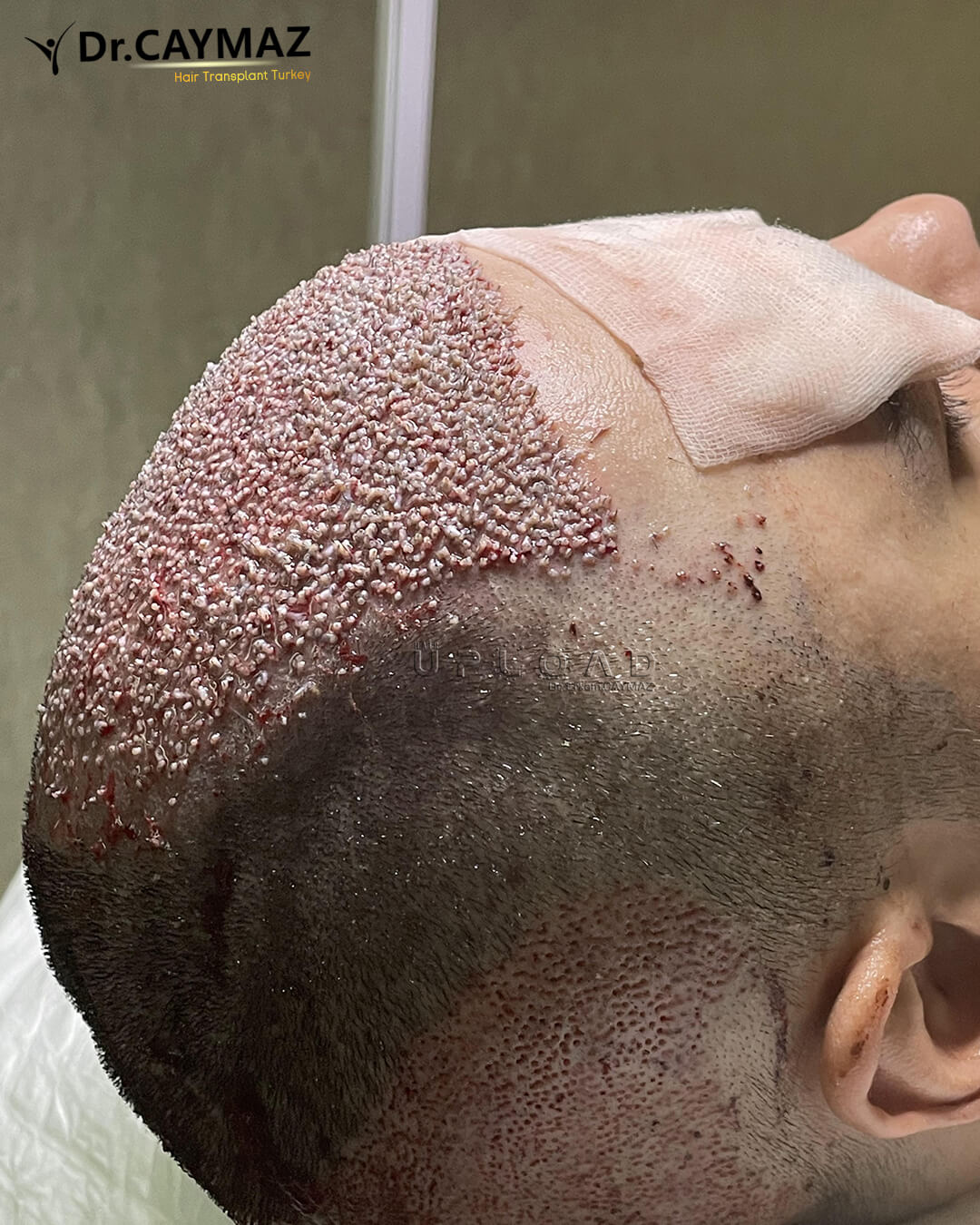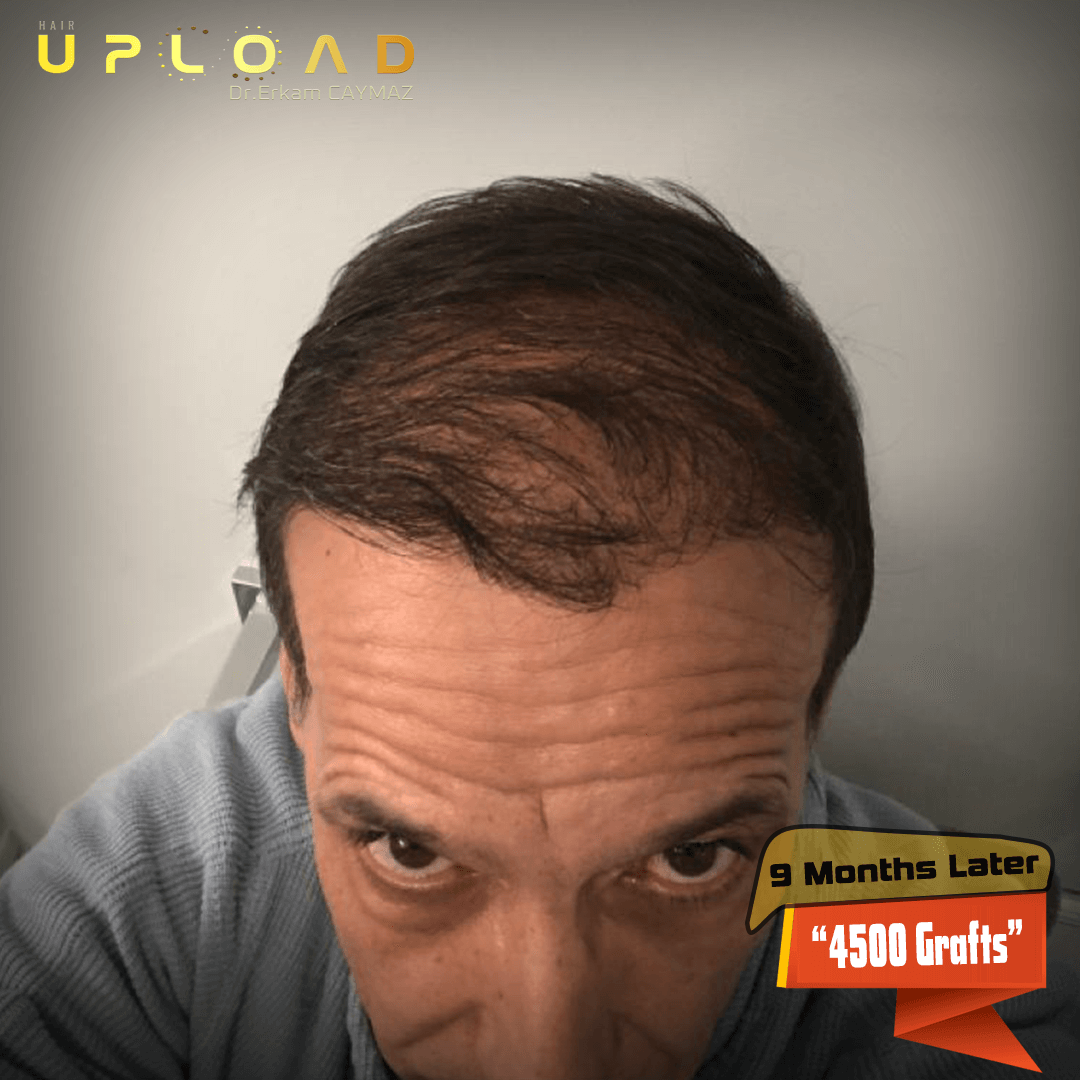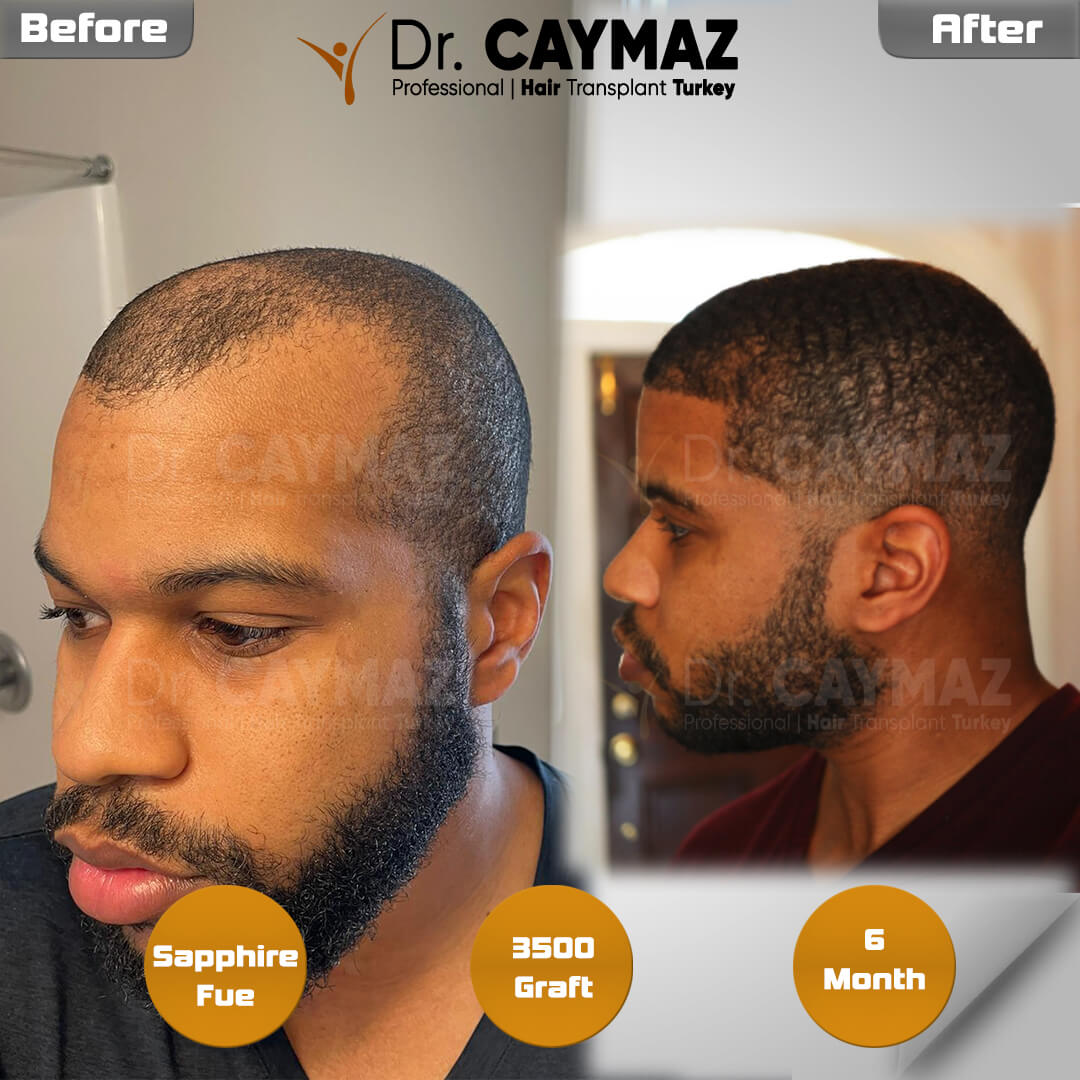
At Hair Upload Clinic in Istanbul, Platelet-Rich Plasma (PRP) therapy is offered as an adjunct treatment after hair transplantation to support graft survival, accelerate healing, and stimulate existing hair follicles. This treatment harnesses your body’s natural growth factors to enhance the overall outcome of your procedure.
Understanding Platelet-Rich Plasma (PRP) After Hair Transplant
Undergoing a hair transplant is a significant step towards restoring your hair. While the procedure itself is highly effective, many patients seek ways to further optimise their results and accelerate recovery. One such adjunctive therapy gaining considerable attention is Platelet-Rich Plasma (PRP).
PRP therapy involves drawing a small amount of your blood, processing it to concentrate the platelets, and then injecting this platelet-rich solution into the scalp. Platelets are well-known for their clotting abilities, but they also contain hundreds of proteins called growth factors, which are crucial for healing and tissue regeneration. When concentrated and injected, these growth factors can potentially stimulate hair follicles, improve blood supply, and support the healing environment after a hair transplant. Many international patients review FUE or DHI hair transplant while planning their trip.
At Hair Upload Clinic, we understand that patients want the best possible outcomes. While PRP is not a standalone cure for hair loss, its application post-transplant is based on the principle of providing an optimal environment for newly transplanted grafts to thrive and existing hair to strengthen. This approach aligns with our commitment to comprehensive care and patient-centred results in Istanbul. For clinic-specific context, see comprehensive aftercare instructions.
The Science Behind PRP: How It Supports Hair Growth
To appreciate PRP’s role after a hair transplant, it’s helpful to understand the science behind it. Platelets are small, disc-shaped cells in your blood that are rich in various growth factors and cytokines. These bioactive proteins play a pivotal role in wound healing and cell regeneration. When activated, platelets release these factors, which can:
- Stimulate Follicle Activity: Growth factors like PDGF (Platelet-Derived Growth Factor), TGF-beta (Transforming Growth Factor-beta), VEGF (Vascular Endothelial Growth Factor), and EGF (Epidermal Growth Factor) can signal dormant or miniaturised hair follicles to enter the anagen (growth) phase.
- Enhance Blood Supply: VEGF, in particular, promotes the formation of new blood vessels (angiogenesis), which is vital for delivering oxygen and nutrients to the hair follicles, especially the newly transplanted grafts that require a robust blood supply to survive.
- Reduce Inflammation: Certain growth factors have anti-inflammatory properties that can help reduce swelling and irritation in the scalp post-surgery, creating a healthier environment for healing.
- Accelerate Tissue Repair: The concentrated growth factors aid in the repair of damaged tissues, helping the scalp recover more quickly from the micro-incisions made during the transplant procedure.
By delivering a concentrated dose of these natural healing agents directly to the scalp, PRP aims to provide an extra layer of support for the delicate transplanted grafts and encourage stronger, healthier growth in the surrounding areas.
Indications and Candidacy for Post-Transplant PRP
While many patients can benefit from PRP after a hair transplant, it’s important to understand who is the ideal candidate and what specific indications make it particularly useful:
- Enhancing Graft Survival: PRP can help improve the viability of transplanted grafts by providing a nutrient-rich environment and boosting blood flow, which is critical in the immediate post-operative phase.
- Accelerating Healing and Reducing Shock Loss: The growth factors in PRP can speed up the healing process and potentially mitigate the temporary shedding of existing hair, known as shock loss, that some patients experience after surgery.
- Stimulating Existing Hair: For patients with thinning hair in areas not undergoing transplantation, PRP can strengthen and thicken existing miniaturised follicles, leading to a denser overall appearance.
- Improved Hair Quality: Some studies suggest PRP can lead to thicker hair shafts and improved hair texture, contributing to a more robust and natural-looking result.
At HU Clinic, Dr. Erkam assesses each patient individually to determine if PRP is a suitable adjunct therapy. Factors such as the extent of hair loss, scalp health, and overall medical history are considered. Patients with certain medical conditions, such as active infections, blood disorders, or those on blood thinners, may not be suitable candidates. Our goal is always to ensure the safety and efficacy of any recommended treatment.
The PRP Procedure: What to Expect at Hair Upload Clinic
The PRP procedure is straightforward and typically takes about 60-90 minutes. It’s usually performed as an outpatient treatment, often during follow-up visits after your hair transplant.
Here’s a step-by-step overview of what you can expect:
- Blood Draw: A small amount of blood, usually between 20-60 ml (similar to a routine blood test), is drawn from your arm by our medical team.
- Centrifugation: The collected blood is then placed into a specialised centrifuge machine. This device spins the blood at high speeds, separating its components based on their density. The plasma, which contains a high concentration of platelets and growth factors, is isolated from red and white blood cells.
- PRP Extraction: The concentrated PRP layer is carefully extracted into a syringe.
- Local Anaesthesia Application: Before injection, a local anaesthetic is applied to the treatment areas of your scalp to ensure your comfort during the procedure. At Hair Upload Clinic, we prioritise patient comfort, exclusively using local anaesthesia for all our procedures, including PRP injections.
- PRP Injection: The PRP is then meticulously injected into the scalp using very fine needles. Dr. Erkam or our expert medical team targets the areas around the newly transplanted grafts, the donor area, and any other thinning regions that could benefit from stimulation.
The process is designed to be minimally invasive, allowing you to return to your daily activities shortly after the treatment. Understanding the donor area planning guide is crucial for initial transplant success, and PRP can further support the health of both the donor and recipient sites.
Key Comparison: Expected Outcomes from PRP After Hair Transplant
Understanding the potential benefits and typical timeline for PRP after a hair transplant can help manage expectations. This table outlines common goals and when patients might start to notice improvements.
| Aspect of Recovery/Growth | Expected Benefit from PRP | Typical Timeline for Noticeable Results |
|---|---|---|
| Graft Survival & Early Healing | Enhanced viability of transplanted grafts, reduced inflammation. | First few weeks post-transplant. |
| Reduced Shock Loss | Potential minimisation of temporary shedding of native hair. | 2-4 months post-transplant. |
| Hair Thickening & Density | Stimulation of existing miniaturised follicles, improved hair shaft diameter. | 4-8 months post-transplant, with ongoing treatments. |
| Overall Hair Quality | Stronger, healthier, and more vibrant hair growth. | 6-12 months post-transplant, cumulative effect. |
| Scalp Health | Improved blood circulation, accelerated tissue repair. | Ongoing, contributing to a healthier environment for hair growth. |
It’s important to remember that individual results can vary based on factors such as age, genetics, overall health, and the degree of hair loss. Consistency with recommended treatment protocols is key to achieving the best possible outcomes.
Risks, Limitations, and Aftercare Timeline for PRP
While PRP is generally considered safe due to its autologous nature (using your own blood), it’s important to be aware of potential risks, its limitations, and the necessary aftercare.
Potential Risks and Side Effects:
- Mild Pain or Discomfort: Some patients may experience minor pain, tenderness, or a feeling of pressure at the injection sites, typically subsiding within a day or two.
- Swelling or Bruising: Temporary swelling or bruising at the injection sites is possible but usually mild and resolves quickly.
- Infection: As with any injection, there’s a minimal risk of infection, though this is significantly reduced by adhering to strict sterilisation protocols at HU Clinic.
- Scar Tissue: In extremely rare cases, scar tissue formation or calcification at the injection sites could occur, but this is highly uncommon with proper technique.
Limitations of PRP Therapy:
- Not a Standalone Cure: PRP is an adjunct therapy; it cannot grow hair in completely bald areas where follicles are no longer present. Its primary role is to strengthen existing and newly transplanted follicles.
- Variable Results: The effectiveness of PRP can vary between individuals. Factors like the concentration of platelets, the specific growth factors released, and individual biological responses play a role.
- Multiple Sessions Required: Optimal results typically require a series of treatments, often 3-4 sessions initially, followed by maintenance sessions every 6-12 months.
- Evidence Base: While promising, the scientific evidence supporting PRP’s efficacy for hair restoration is still evolving. Studies show positive results, but more large-scale, long-term research is ongoing.
Aftercare Timeline:
- Immediately After: Avoid touching or washing the treated area for at least 12-24 hours. You may experience some mild soreness or redness.
- First Few Days: Refrain from strenuous exercise, excessive sweating, and direct sun exposure. Avoid using harsh hair products.
- First Week: You can typically resume gentle hair washing with a mild shampoo.
- Long-Term: Follow your personalised treatment plan for subsequent PRP sessions, which are crucial for sustaining results.
Your journey at Hair Upload Clinic doesn’t end after your transplant. We provide comprehensive aftercare instructions and support to ensure you achieve the best possible outcome. This includes guidance on managing any post-PRP effects and scheduling follow-up treatments.
Evidence and Clinical Efficacy of PRP for Hair Restoration
The use of PRP in hair restoration is a continuously evolving field, with a growing body of scientific literature exploring its efficacy. While it’s important to maintain realistic expectations, many studies and clinical observations suggest that PRP can be a valuable tool, particularly when used in conjunction with hair transplant surgery.
Research indicates that PRP’s rich cocktail of growth factors can:
- Increase Hair Density and Thickness: Several studies have reported a significant increase in hair density and hair shaft diameter in patients treated with PRP for androgenetic alopecia (pattern baldness).
- Promote Hair Regrowth: PRP has shown promise in stimulating inactive hair follicles and prolonging the anagen (growth) phase of the hair cycle.
- Improve Hair Transplant Outcomes: When applied during or after a hair transplant, PRP has been observed to enhance the survival rate of transplanted grafts, accelerate wound healing, and reduce post-operative shedding.
It’s useful to know that the standardisation of PRP protocols (e.g., platelet concentration, number of sessions, injection technique) is still being refined, which can lead to variability in study results. However, the overall trend in clinical practice and research is positive, supporting its role as a supportive therapy.
At Hair Upload Clinic, we stay abreast of the latest research and clinical best practices to ensure that the treatments we offer, including PRP, are grounded in sound medical principles. We believe in transparency and will discuss the potential benefits and limitations of PRP therapy with you thoroughly during your consultation.
Practical Clinic Notes for International Patients at Hair Upload Clinic
For our international patients travelling to Istanbul, integrating PRP into your hair transplant journey is made as seamless as possible. Here are some practical considerations:
- Timing of First Session: The initial PRP session is often scheduled within the first few days or weeks following your FUE or DHI hair transplant. This timing is chosen to capitalise on PRP’s healing and growth-factor benefits during the critical early stages of graft integration.
- Follow-Up Sessions: A typical PRP protocol involves a series of sessions, often 3-4 treatments spaced 4-6 weeks apart. For international patients, we can help plan these sessions to coincide with potential return visits or provide guidance on continuing treatment in your home country, if feasible.
- Travel Considerations: The PRP procedure itself has minimal downtime, meaning it won’t significantly disrupt your travel plans. You can typically fly shortly after a PRP session.
- Comprehensive Care Packages: Hair Upload Clinic offers comprehensive packages that can include PRP therapy as an optional add-on. We ensure all aspects of your treatment, from initial consultation to post-operative care and follow-up PRP sessions, are coordinated efficiently.
At HU Clinic, owner-surgeon Dr. Erkam personally oversees the planning of your hair transplant and any adjunctive treatments like PRP. His extensive experience, spanning over 15 years and 10,000+ procedures, ensures a tailored approach that considers your unique needs and goals. We pride ourselves on offering a boutique VIP experience, focusing on 1-2 operations per day to ensure meticulous attention to detail and superior patient care. Our dedicated team is here to guide you through every step, making your experience in Istanbul as comfortable and effective as possible. We encourage you to discuss any questions about PRP or your overall treatment plan during your consultation.
Clinic insight: At HU Clinic in Istanbul, owner-surgeon Dr. Erkam integrates PRP therapy strategically to complement Sapphire FUE and DHI hair transplants, leveraging his 15+ years of experience to tailor treatment plans that maximise graft health and patient satisfaction.
Frequently Asked Questions
What is PRP and how does it help after a hair transplant?
PRP (Platelet-Rich Plasma) is a concentrated solution of your own blood platelets, rich in growth factors. After a hair transplant, it’s injected into the scalp to enhance graft survival, accelerate healing, reduce shock loss, and stimulate existing hair follicles.
When is the best time to get PRP after a hair transplant?
The initial PRP session is typically recommended within the first few days or weeks following your hair transplant. Subsequent sessions are usually spaced 4-6 weeks apart, forming a series of treatments for optimal results.
Is PRP painful after a hair transplant?
The PRP procedure involves injections into the scalp. At Hair Upload Clinic, we apply local anaesthesia to the treatment areas beforehand to minimise discomfort, ensuring the process is as pain-free as possible.
How many PRP sessions are usually needed?
Most patients benefit from an initial series of 3-4 PRP sessions, spaced approximately 4-6 weeks apart. After this initial phase, maintenance sessions, often once or twice a year, may be recommended to sustain the results.
Are there any side effects of PRP after hair transplant?
PRP is generally safe, as it uses your own blood. Minor side effects can include temporary soreness, swelling, or bruising at the injection sites, which usually resolve within a few days. Serious complications are rare.
Can PRP guarantee 100% hair growth after a transplant?
No, PRP cannot guarantee 100% hair growth, nor does any hair restoration treatment. It is an adjunctive therapy to support and enhance the natural healing and growth processes, aiming for improved graft survival and overall hair density. We target a 90-95% overall success rate for our hair transplants.
Sources: International Society of Hair Restoration Surgery (ISHRS); American Academy of Dermatology Association (AAD); PubMed: Efficacy of Platelet-Rich Plasma in Hair Restoration: A Systematic Review; PubMed: Platelet-Rich Plasma (PRP) for Androgenetic Alopecia: A Review of the Literature
Medical disclaimer: This page is for education only and does not replace a consultation with Dr. Erkam at Hair Upload Clinic (HUC). Individual assessment is required.
Written by : Dr. Erkam C.