Artificial intelligence has transformed from a futuristic concept into a practical tool that helps patients verify surgeon credentials, analyze “before and after” photos for authenticity, and predict realistic outcomes before surgery begins. While many clinics market AI solely as a robotic surgical assistant, its true value for patients lies in the vetting process, using algorithms to cut through marketing noise and identify truly skilled medical professionals.
The Role of AI in Finding a Hair Transplant Doctor
Before booking, verify who extracts grafts (surgeon vs technician), ISHRS or national board credentials, and unedited before/after photos with graft counts. Hair Upload Clinic (HUC) (HUC) (HUC) publishes surgeon-led extraction standards, AI tools can help compare photos but don’t replace credentials.
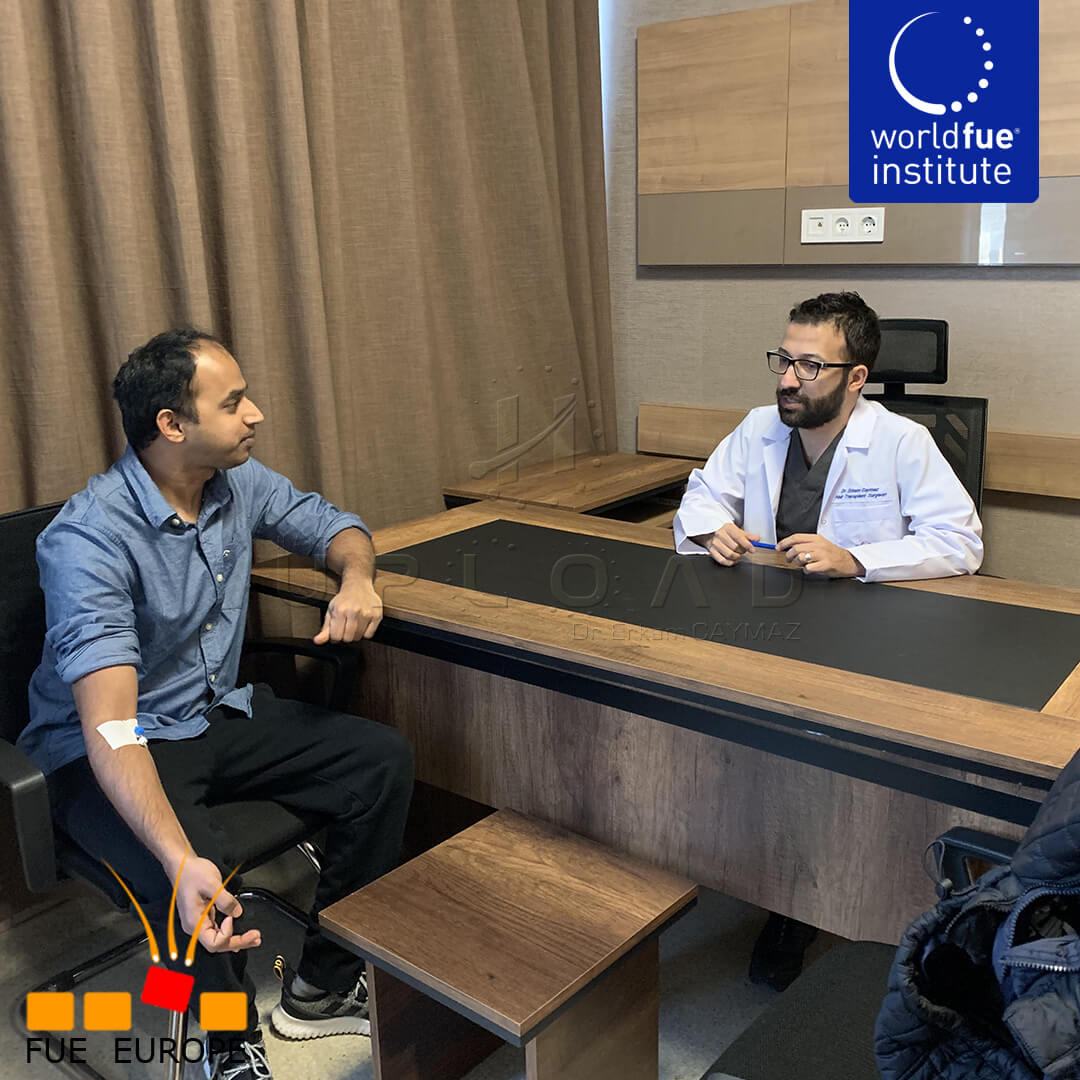
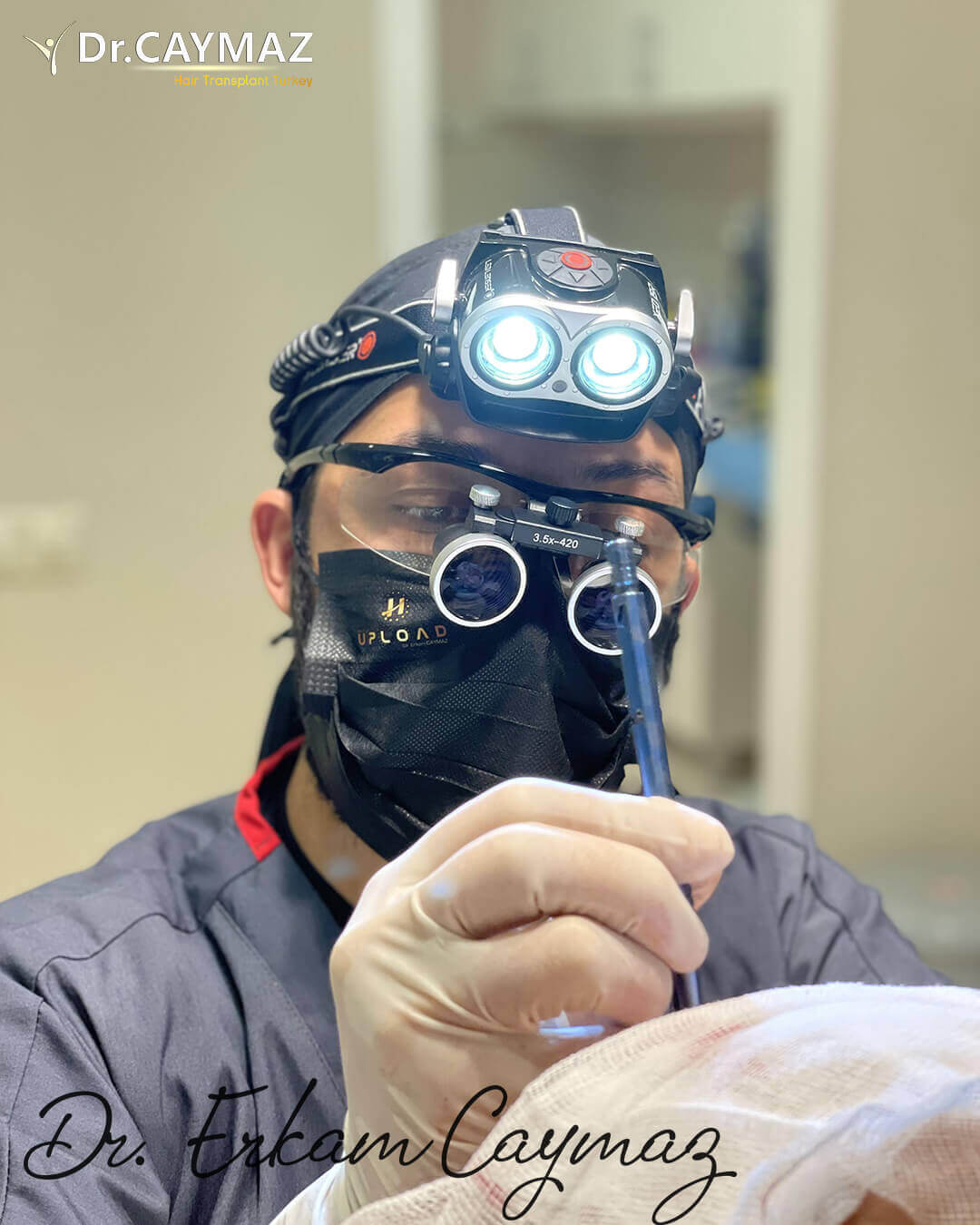
Clinic insight: At Hair Upload Clinic in Istanbul, Dr. Erkam emphasizes that while AI tools can assist in patient education and vetting, the ultimate success of a hair transplant relies on the surgeon’s artistic eye and experience in hairline design and channel opening.
Smart matching tools help because they to process vast amounts of data, from patient reviews to surgical outcomes, to identify patterns of consistency and quality that a human observer might miss.
In the crowded market of hair restoration, particularly in hubs like Turkey, finding a reliable surgeon is daunting. Patients can now leverage AI tools to perform due diligence that goes beyond reading a few Google reviews.
Analyzing Surgeon Reviews with AI
One of the most powerful ways to use AI is to analyze patient feedback. By feeding hundreds of reviews into a Large Language Model (LLM), patients can identify specific red flags:
- Bot Detection: AI can spot repetitive phrasing across multiple reviews, indicating fake testimonials.
- Sentiment Analysis: It can isolate specific complaints about “post-op care” or “graft failure” that are often buried in long texts.
- Consistency Checks: AI verifies if the doctor’s claimed success rate matches the patient-reported experiences.
When researching, look for clinics that transparently share their data. A trustworthy clinic will often have detailed case studies available on their patient results page.
Dr. Erkam Insight:
“Patients often get dazzled by 5-star ratings, but they miss the nuance. I tell my patients to look for consistency in the negative reviews. If five different people say the donor area was over-harvested, that is not a coincidence; it is a technique failure. AI is excellent at flagging these specific, repeated technical complaints that a casual reader ignores.”
Detecting “Fake” Results: AI Image Analysis
AI-driven image analysis tools can now scan “before and after” photographs to detect pixel inconsistencies, lighting manipulation, and digital alterations used to exaggerate hair density.
Social media is flooded with edited hair transplant results. For a patient, distinguishing between a great result and a Photoshop job is difficult. However, AI algorithms trained on medical imaging can detect:
1. Blurring: Often used to hide the “pluggy” look of a bad hairline.
2. Clone Stamping: Used to artificially increase density by copying patches of hair.
3. Metadata Analysis: revealing if a photo was taken immediately after surgery (when inflammation makes hair look denser) rather than the honest 12-month mark.
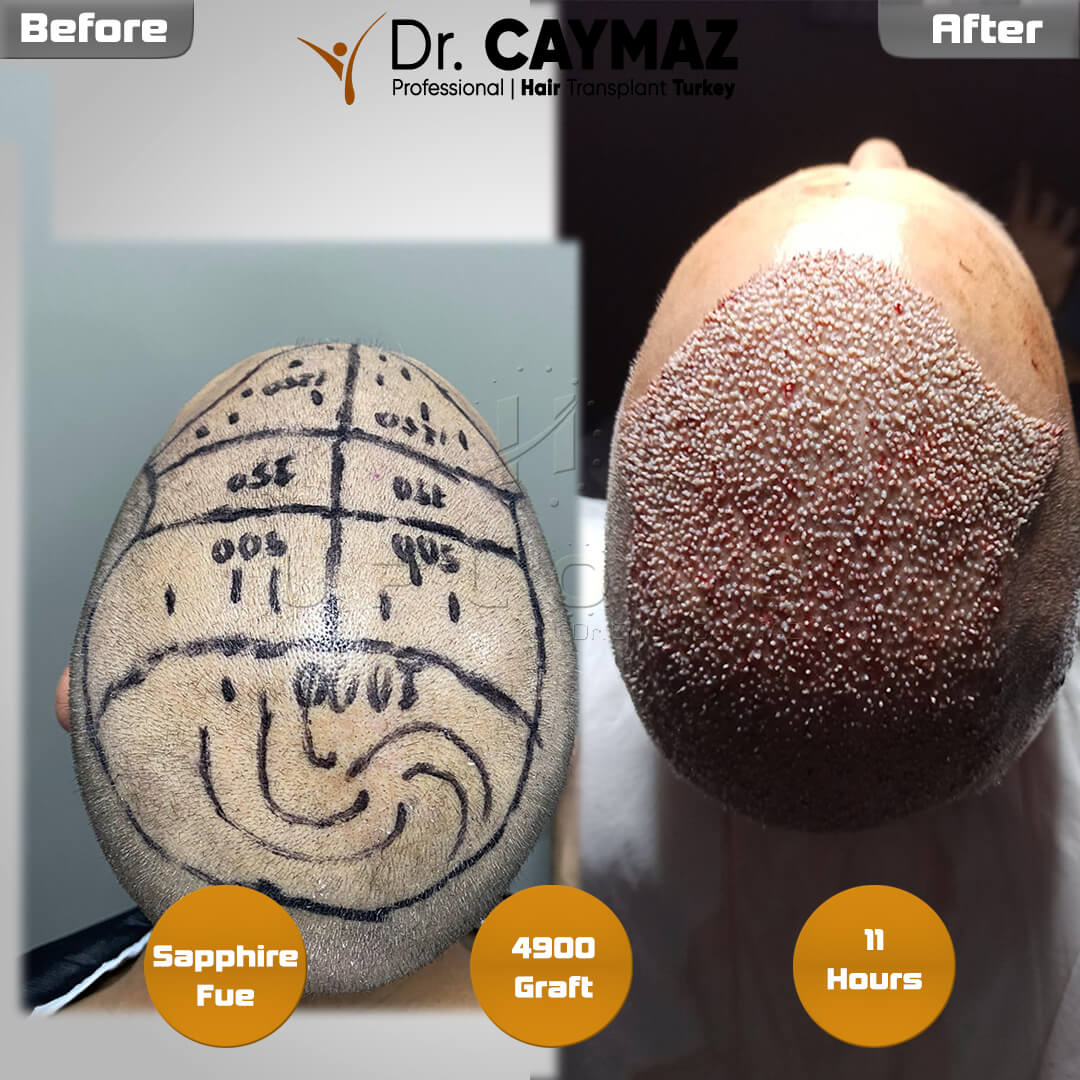
If you’re evaluating a surgeon’s portfolio, ensure you’re looking at high-resolution, unedited galleries, such as those found in verified before and after archives.
Comparison: Manual Vetting vs. AI-Assisted Vetting
| Feature | Manual Patient Research | AI-Assisted Analysis |
| Review Analysis | Reads 10-20 recent reviews. | Scans 500+ reviews for patterns. |
| Photo Verification | Relies on the naked eye. | Detects digital editing/filters. |
| Cost Estimation | Guesses based on averages. | Calculates graft-per-dollar value. |
| Outcome Prediction | Imagination/Hope. | Generative visual simulation. |
AI Technology Inside the Clinic
Surgeons who integrate AI into their workflow use it to calculate precise graft distribution and donor capacity, ensuring the extraction doesn’t leave the back of the head patchy or scarred.
When you have narrowed down your list of doctors, the next question is: How do they use AI? The best surgeons use AI not to replace their skill, but to enhance their precision.
Graft Calculation and Coverage
AI software can map the scalp to determine the exact number of grafts needed per square centimeter to achieve maximum density without wasting donor hair. This is critical for FUE hair transplant procedures where every follicle counts.
- Donor Management: AI predicts how many grafts can be safely harvested.
- Angle Optimization: Robotic systems (like ARTAS) use AI to identify the healthiest hairs for extraction.
Dr. Erkam Insight:
“Robots are incredibly precise at extraction, but they fail at art. A robot doesn’t understand that a 50-year-old man should not have the straight, low hairline of a 20-year-old. If your doctor relies 100% on AI for the design of your hairline, run away. The geometry of the face requires a human eye; the AI should only be there to count the math.”
Red Flags AI Can Help You Spot
AI tools can identify “churn and burn” clinics by flagging generic website copy, stock images used as patient results, and inconsistent medical board certifications across different platforms.
Using simple reverse-image search tools (powered by AI) can save you from fraud.
1. Stock Photo Check: Upload a clinic’s “best result” to Google Lens. If it appears on five other clinic websites, it is a stock photo.
2. Plagiarized Biographies: AI checkers can see if a doctor’s “philosophy” text was stolen from a reputable surgeon in the USA or UK.
Always verify the specific medical team and their specialized techniques, such as DHI hair transplant, to ensure they match the marketing claims.
FAQ: AI and Finding Hair Transplant Doctors
1. Can AI predict exactly what my hair transplant will look like?
AI can generate highly accurate simulations based on your current hair loss and bone structure. However, actual results depend on biological healing and graft survival rates.
2. Is a robotic hair transplant better than a manual one?
Not necessarily. Robotic (AI) transplants reduce fatigue-based errors during extraction, but manual implantation by a skilled surgeon often yields more natural angulation and design.
3. How can I use AI to check a doctor’s prices?
You can use AI chatbots to compare the “cost per graft” across multiple clinics in a specific region (e.g., Turkey vs. Mexico) to see if a quote is statistically too high or suspiciously low.
4. Does AI help with the recovery process?
Yes, some modern clinics use AI apps that allow patients to scan their scalp daily. The AI analyzes the redness and scabbing to detect early signs of infection or necrosis.
5. What is the most important AI tool for a patient?
Reverse image search. It is the fastest way to validate that a clinic’s “results” are actually their own work and not stolen from the internet.
Dr. Erkam’s Final Thoughts
The most important takeaway for a patient considering this is that AI is a tool for verification, not a replacement for expertise. The importance of AI in finding a hair transplant doctor is undeniable, it gives you the power to see behind the marketing curtain. It allows you to analyze data, spot fake photos, and understand the technical reality of the procedure.
However, once you’re in the operating chair, technology must take a backseat to biology and artistry. Use AI to find the doctor, but trust the doctor who understands that your hairline is unique, not just a data point.
Disclaimer: This article is for informational purposes only and doesn’t constitute medical advice. Always consult with a qualified healthcare professional before undergoing any surgical procedure.*
Related guides from Hair Upload Clinic:
- Top hair transplant clinics worldwide
- Hairline design for men and women
- Best donor areas for hair transplant
- Shock loss after transplant: what is normal
Frequently Asked Questions
Can AI prove a surgeon is qualified?
No, use licensing, society membership, and in-person consultation.
What red flags suggest a hair mill?
High daily patient volume, technician-only extraction, no named surgeon.
Should I ask for graft survival data?
Yes, reputable clinics track transection rates and follow-up photos.
Sources: ISHRS patient resources.
Medical disclaimer: This page is for education only and doesn’t replace a consultation with Dr. Erkam at Hair Upload Clinic (HUC) (HUC). Individual assessment is required.
Why Choose Istanbul for AI-Assisted Hair Transplants?
Istanbul has become a global hub for hair transplant surgery, combining advanced medical technology with experienced surgeons. At Hair Upload Clinic, we integrate AI tools into our patient consultation process, ensuring you receive the most accurate information and realistic expectations for your procedure in Turkey’s leading medical destination.
Written by : Marcus Holloway