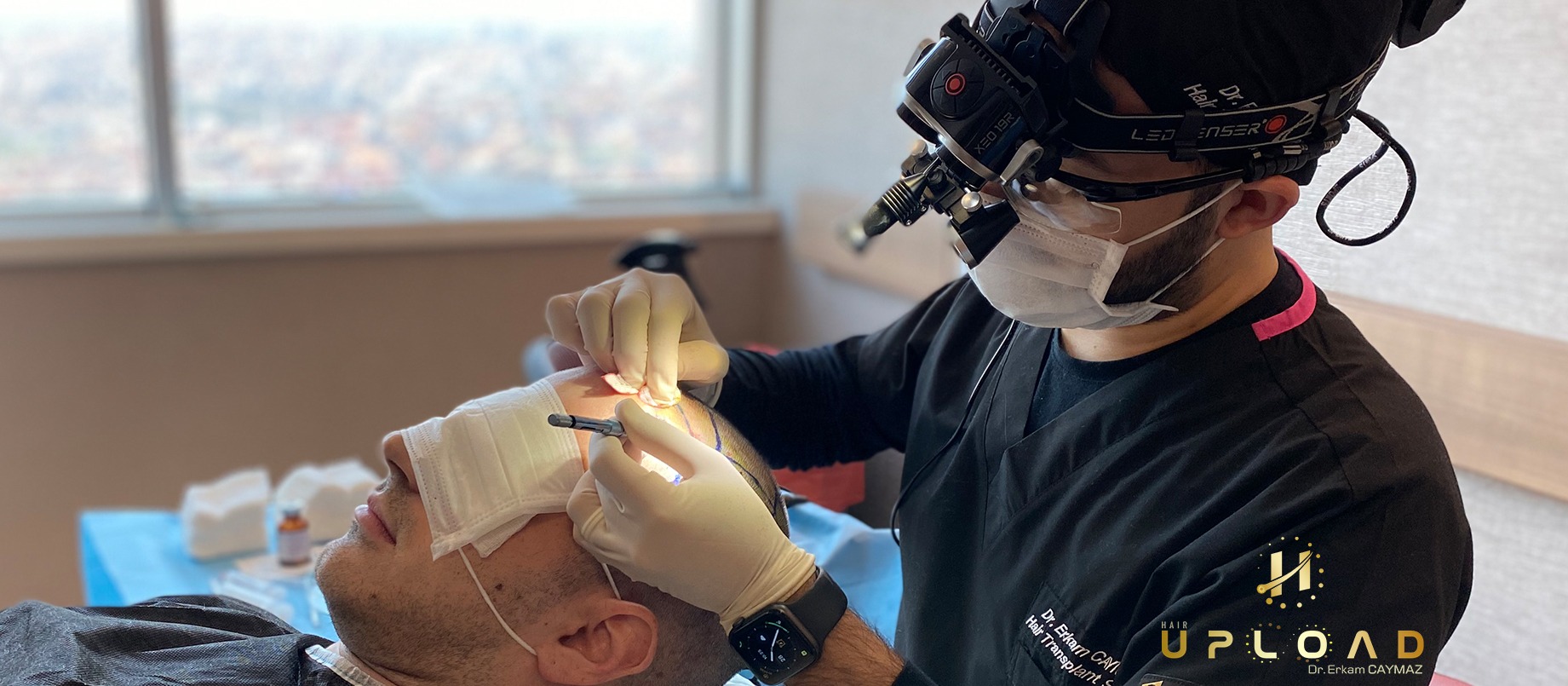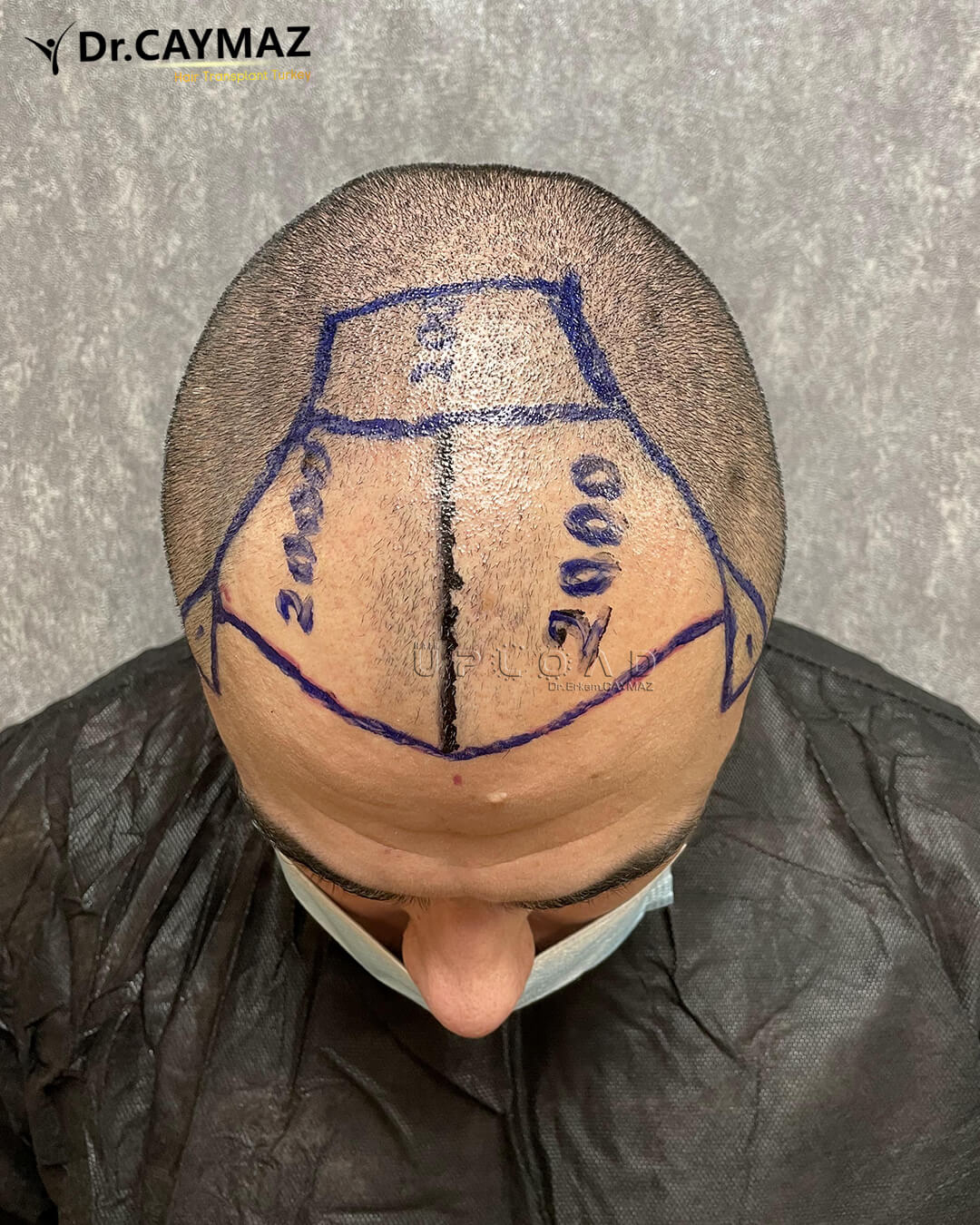

Hair Upload Clinic in Istanbul prioritises patient safety, and for many individuals with alopecia areata, a hair transplant is not an appropriate solution. This is primarily due to the autoimmune nature of the condition, which can lead to unpredictable outcomes and a high risk of recurrence even in transplanted areas.
Understanding Alopecia Areata: A Clinical Overview
Alopecia areata is an autoimmune condition characterised by non-scarring hair loss that can affect any hair-bearing area of the body, though it most commonly targets the scalp. Unlike androgenetic alopecia (pattern baldness), which is largely genetic and hormonal, alopecia areata occurs when the body’s immune system mistakenly attacks its own hair follicles. This leads to distinctive, often sudden, patches of hair loss that can vary significantly in size and number. While the follicles themselves are not destroyed, they are miniaturised and enter a prolonged resting phase, preventing hair growth.
The progression of alopecia areata is notoriously unpredictable. For some, it might be a single, small patch that resolves spontaneously. For others, it can progress to more extensive forms such as alopecia totalis (total scalp hair loss) or alopecia universalis (total body hair loss). The psychological impact of this condition can be profound, leading many patients to seek solutions, including considering hair transplantation. Many international patients review FUE or DHI procedures while planning their trip.
At Hair Upload Clinic, our priority is always patient safety and achieving sustainable, natural-looking results. For alopecia areata, our clinical assessment is meticulous, focusing on the underlying pathology to determine if a hair transplant is genuinely a viable and safe option. We understand the desire for hair restoration, but it’s crucial to acknowledge that not all forms of hair loss are treatable with surgery. For clinic-specific context, see androgenetic alopecia.
Medical Disclaimer: This article provides general information and is not a substitute for professional medical advice. Always consult with a qualified healthcare provider for diagnosis and treatment of any medical condition.
Indications and Contraindications: Why Alopecia Areata Often Isn’t a Surgical Candidate
While hair transplantation is a highly effective treatment for many forms of hair loss, particularly androgenetic alopecia, its application in alopecia areata is severely limited. The primary reason for this restriction lies in the autoimmune nature of the disease. When the immune system is actively attacking hair follicles, there’s a significant risk that it will also attack newly transplanted grafts, leading to recurrence and poor, unpredictable outcomes.
When a Hair Transplant Might Be Considered (Rarely and with Caution)
In extremely rare and carefully selected cases, a hair transplant might be considered for alopecia areata, but only under very specific and stringent conditions:
- Long-Term Stability: The patient must have experienced complete remission and stable hair growth in the affected areas for at least 3-5 years, ideally longer, without any signs of new patches or recurrence. Even then, the risk of future flare-ups remains.
- Limited, Localised Patches: The alopecia areata must have been limited to very small, isolated patches that have not spread or recurred over many years. Patients with a history of extensive hair loss (totalis or universalis) are never candidates.
- Scarring Alopecia Areata (Uncommon): In very rare instances where alopecia areata has led to true scarring (a distinct subtype, usually diagnosed via biopsy), and the scarring is stable and inactive, a transplant might be considered to fill in areas where follicles are permanently destroyed. However, this is distinct from typical non-scarring alopecia areata.
- Psychological Stability: Patients must have a clear understanding of the high risks of recurrence, the potential for graft loss, and the possibility of needing further medical treatment.
Key Contraindications: When Surgery is Not Appropriate
For the vast majority of individuals with alopecia areata, hair transplantation is contraindicated. These contraindications are in place to protect the patient from futile procedures, emotional distress, and financial burden. Key reasons include:
- Active Disease: Any signs of active hair loss, new patches, or ongoing inflammation immediately rule out transplantation. The immune system is clearly targeting follicles, and transplanted grafts would be highly susceptible.
- History of Extensive Disease: Patients who have experienced alopecia totalis or universalis, even if currently in remission, are not candidates. The widespread nature of the immune response makes future recurrence highly probable.
- Unpredictable Course: The inherent unpredictability of alopecia areata means that even if a patient has been stable for a period, there is no guarantee that the condition will not recur in the transplanted area or the donor area.
- Donor Area Compromise: Alopecia areata can affect any hair-bearing area, including the potential donor area planning guide. If the donor area has ever been affected, or shows signs of thinning or instability, it cannot be reliably used for transplantation.
- Koebner Phenomenon Risk: Trauma to the skin, such as that caused by surgical incisions, can sometimes trigger new patches of alopecia areata in susceptible individuals. This is known as the Koebner phenomenon, and it poses a direct risk during a hair transplant procedure.
- Medication Dependence: If a patient is dependent on immunosuppressants or high-dose steroids to maintain remission, these medications can complicate surgery and affect healing, or the underlying disease could recur if medication is stopped.
At HU Clinic in Istanbul, owner-surgeon Dr. Erkam emphasises that patient selection is paramount. “For alopecia areata, our primary concern is the unpredictable immune response. Placing grafts into an environment where they are likely to be attacked by the body’s own immune system is ineffective but can lead to significant disappointment and further psychological distress for the patient. We always prioritise non-surgical management and careful monitoring for such cases.”
The Mechanism of Recurrence: Why Transplants Fail in Alopecia Areata
Understanding why hair transplants are generally ineffective for alopecia areata requires a look at the disease’s pathogenesis. The immune system’s attack on hair follicles is not limited to specific regions; it’s a systemic issue manifesting locally. When hair follicles are transplanted from a healthy donor area (typically the back or sides of the scalp) to a recipient area affected by alopecia areata, these new follicles are still susceptible to the underlying autoimmune attack.
The immune cells (primarily T lymphocytes) that target hair follicles in alopecia areata can migrate to the newly transplanted grafts. This means that even if the donor hair itself is genetically resistant to androgenetic alopecia, it is not immune to the autoimmune processes of alopecia areata. The result is often the loss of the transplanted hair, effectively rendering the surgery unsuccessful.
Also, the physical trauma of the transplantation procedure itself can, in some cases, act as a trigger for a new flare-up of alopecia areata, even in areas previously unaffected. This phenomenon further shows the high-risk nature of performing hair transplants on individuals with this condition.
For patients considering hair restoration, understanding this mechanism is crucial. It highlights that the problem is not a lack of viable donor hair or a technical surgical challenge, but rather an inherent biological incompatibility between the autoimmune condition and the transplant procedure.
Key Considerations for Hair Loss Conditions and Transplant Suitability
To further clarify why alopecia areata is largely unsuitable for hair transplantation, it’s helpful to compare it with other common forms of hair loss and their typical treatment approaches. This table outlines the fundamental differences that guide clinical decisions at Hair Upload Clinic.
Key Comparison: Hair Loss Types and Transplant Suitability
| Hair Loss Condition | Primary Cause | Transplant Suitability | Typical Outcome with Transplant |
|---|---|---|---|
| Androgenetic Alopecia (Male/Female Pattern Baldness) | Genetic, hormonal (DHT sensitivity) | Highly Suitable (Primary indication) | Permanent, natural-looking hair restoration in balding areas. |
| Alopecia Areata (Active/Unstable) | Autoimmune attack on hair follicles | Not Suitable (Strong contraindication) | High risk of recurrence, poor graft survival, unpredictable results. |
| Alopecia Areata (Long-term Stable, Localised – rare cases) | Autoimmune, but inactive for 5+ years | Extremely Limited Consideration (High risk remains) | Potential for limited cosmetic improvement, but recurrence risk is ever-present. |
| Traction Alopecia | Physical stress/pulling on hair follicles | Suitable (Once traction stopped, scarring assessed) | Effective if follicles are permanently damaged and traction is ceased. |
| Scarring Alopecias (e.g., Lichen Planopilaris, Frontal Fibrosing Alopecia – stable) | Inflammatory destruction of follicles leading to scarring | Potentially Suitable (Only if completely stable & inactive for 1-2 years) | Can fill in scarred areas, but underlying condition must be fully quiescent. |
Risks, Limits, and Aftercare Considerations for Alopecia Areata Patients
Even in the rare instances where a hair transplant might be considered for a patient with extremely stable, localised alopecia areata, it’s vital to discuss the significant risks and limitations. These go beyond the standard risks associated with FUE or DHI procedures.
Specific Risks for Alopecia Areata Patients:
- Graft Rejection/Loss: The most significant risk is that the body’s immune system will recognise the transplanted grafts as foreign or simply resume its attack on hair follicles, leading to the loss of the newly implanted hair. This can occur weeks, months, or even years after the procedure.
- Koebner Phenomenon: The trauma of surgery can trigger new patches of alopecia areata in the recipient or donor areas, or even in distant parts of the scalp/body.
- Unsatisfactory Cosmetic Outcome: Due to unpredictable graft survival and potential recurrence, the aesthetic results are often poor, patchy, or temporary, leading to patient dissatisfaction.
- Donor Area Depletion: If transplanted grafts are lost, the valuable donor hair has been used without achieving a lasting result, limiting future options.
- Psychological Impact: Undergoing a significant surgical procedure only to experience recurrence or failure can be emotionally devastating for patients already coping with hair loss.
Aftercare and Monitoring:
For individuals with alopecia areata, even if a transplant were performed (which, as discussed, is highly unlikely at HUC), aftercare would extend far beyond typical post-operative instructions. It would involve continuous monitoring for signs of recurrence, potentially ongoing dermatological treatment, and a realistic understanding that the underlying autoimmune condition remains. Standard aftercare, such as protecting the grafts and following medication protocols, would apply, but the long-term prognosis would remain guarded.
It’s important to remember that local anaesthesia is used for hair transplant procedures at Hair Upload Clinic. This ensures patient comfort during the procedure while maintaining a high safety profile. However, the presence of an autoimmune condition like alopecia areata introduces complexities that local anaesthesia alone cannot mitigate.
Practical Clinic Notes for International Patients at Hair Upload Clinic
For international patients travelling to Istanbul, Hair Upload Clinic provides a comprehensive and transparent consultation process. We understand that many patients explore various options for hair restoration, and our commitment is to provide honest, evidence-based advice.
If you have a history of alopecia areata, it is crucial to disclose this information fully during your initial consultation. Dr. Erkam, our founder and lead surgeon, will conduct a thorough medical history review and scalp examination. This will include assessing the stability of your hair loss, examining the characteristics of your remaining hair, and potentially requesting previous medical records or biopsy results.
At HU Clinic, we pride ourselves on our boutique approach, performing only 1–2 VIP operations per day. This allows Dr. Erkam to be personally involved in the critical stages of your procedure, including the consultation, planning, and hairline design, as well as performing the channel opening with sapphire blades. Graft extraction and implantation are meticulously carried out by our expert surgical technicians under his direct supervision. However, this level of care and precision is only applied when a patient is deemed a suitable candidate for the procedure.
Our clinical judgment, guided by over 15 years of experience and thousands of successful procedures, will always prioritise your long-term health and the likelihood of a successful, stable outcome. For conditions like alopecia areata, where the risk of recurrence is high and predictability is low, we will candidly advise against surgery and instead guide you towards appropriate medical management with a dermatologist in your home country. We believe in setting realistic expectations and ensuring that every patient who undergoes a procedure at Hair Upload Clinic has the best possible chance for a lasting, natural result.
While we specialise in advanced Sapphire FUE and DHI techniques, these methods are powerful tools that must be applied to the correct candidates. For autoimmune hair loss, the best approach is often medical, not surgical. We are dedicated to providing ethical and patient-centred care, even if that means advising against surgery for certain conditions.
Clinic insight: At HU Clinic in Istanbul, owner-surgeon Dr. Erkam’s clinical judgment on alopecia areata is firm: “While we strive to restore hair, for autoimmune conditions like alopecia areata, the unpredictable nature of the immune response often makes transplantation an unsuitable and potentially disappointing option for our international patients.”
Frequently Asked Questions
Can a hair transplant cure alopecia areata?
No, a hair transplant cannot cure alopecia areata. It is an autoimmune condition, and the underlying immune system attack on hair follicles would likely lead to the loss of transplanted grafts.
Is there any situation where a hair transplant is suitable for alopecia areata?
In extremely rare cases, for very stable, localised patches of alopecia areata that have been inactive for 5+ years, a transplant might be cautiously considered. However, the risk of recurrence remains high.
Why is the donor area also at risk in alopecia areata?
Alopecia areata is a systemic autoimmune condition, meaning the immune attack can affect any hair-bearing area, including the donor region. This compromises the reliability of grafts taken from these areas.
What are the main risks of getting a hair transplant with alopecia areata?
The primary risks include the loss of transplanted grafts due to autoimmune attack, the triggering of new alopecia areata patches (Koebner phenomenon), and an overall unsatisfactory cosmetic outcome.
What is the recommended treatment for alopecia areata?
Treatment for alopecia areata typically involves medical management, such as corticosteroids (topical, injected, or oral), topical immunomodulators, or other systemic therapies, often under the care of a dermatologist.
Does Hair Upload Clinic perform hair transplants for alopecia areata?
Hair Upload Clinic generally does not perform hair transplants for alopecia areata due to the high risk of recurrence and unpredictable outcomes. Patient safety and long-term results are our top priorities.
Sources: International Society of Hair Restoration Surgery (ISHRS); American Academy of Dermatology Association (AAD); PubMed: Hair transplantation in alopecia areata: A systematic review; PubMed: The Koebner phenomenon in alopecia areata
Medical disclaimer: This page is for education only and does not replace a consultation with Dr. Erkam at Hair Upload Clinic (HUC). Individual assessment is required.
Written by : Amara Okafor