Returning to exercise after a hair transplant requires careful timing to protect your delicate new grafts. Hair Upload Clinic advises a phased approach, typically starting with light activity after 7-10 days and gradually increasing intensity over several weeks to ensure the best possible outcome.
Understanding Exercise & Hair Transplant Recovery
One of the most common questions our patients ask at Hair Upload Clinic in Istanbul is, “When can I get back to my normal exercise routine after a hair transplant?” It’s a vital question, as physical activity, especially strenuous exercise, can directly impact the survival and integration of your newly transplanted hair grafts. The initial weeks following your procedure are critical, and understanding the phased return to activity is key to achieving optimal results.
The goal is to prevent any disruption to the healing process and ensure your grafts remain securely in place. Activities that increase heart rate, blood pressure, sweating, or risk physical trauma to the scalp must be carefully managed. Neglecting these precautions can lead to complications, including graft dislodgement, infection, or poor healing.
The Vulnerability of Newly Transplanted Grafts
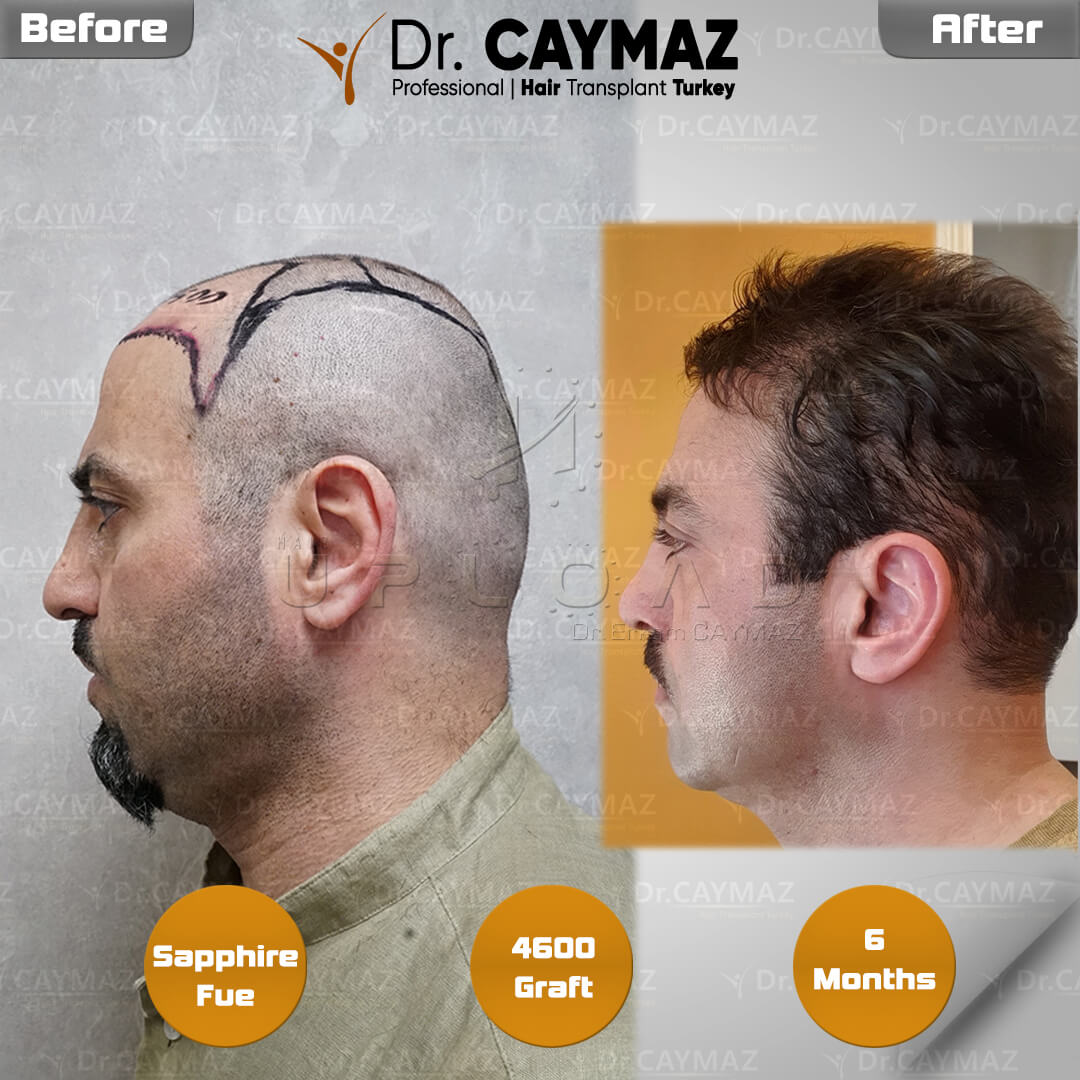
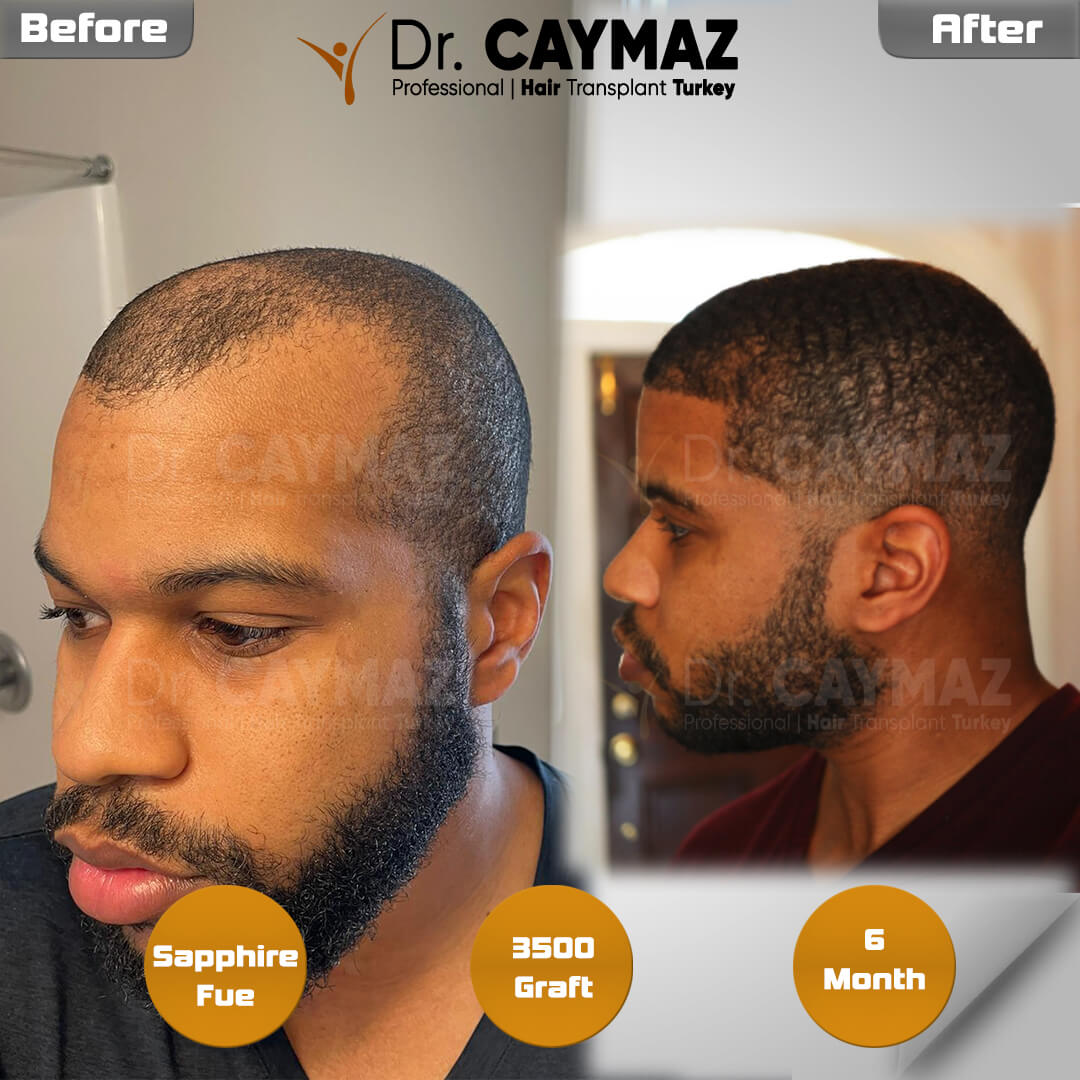
To understand why a careful approach to exercise is necessary, it helps to know what happens during a hair transplant. Whether you undergo Sapphire FUE (Follicular Unit Extraction) or DHI (Direct Hair Implantation) at HU Clinic, individual hair follicles are meticulously harvested from a donor area (typically the back of the head) and then implanted into recipient sites on the scalp. These tiny grafts are incredibly delicate in the first few days and weeks. For clinic-specific context, see best hair transplant clinics guide.
Initially, the grafts are held in place by fibrin and the natural healing process. They are not yet fully vascularised or deeply rooted. Any significant friction, pressure, or impact can dislodge them. Increased blood pressure from strenuous exercise can also lead to swelling or bleeding in the recipient area, which can compromise graft survival. Also, excessive sweating can introduce bacteria to the healing scalp, increasing the risk of infection.
At Hair Upload Clinic, owner-surgeon Dr. Erkam emphasises the importance of patience during this period. “The success of your hair transplant hinges on protecting those initial days and weeks of healing. While it can be challenging for active individuals, adhering to the post-operative exercise guidelines is non-negotiable for the best long-term outcome.”
Indications for a Phased Return to Physical Activity
Returning to physical activity after a hair transplant is not a one-size-fits-all timeline; it depends on the type and intensity of the exercise and your individual healing rate. However, there are general guidelines that apply to nearly all patients:
- Avoiding Graft Dislodgement: The primary concern in the first 7-10 days is preventing any friction, rubbing, or direct impact on the recipient area that could dislodge grafts. This means avoiding activities that cause excessive head movement or require a helmet.
- Managing Blood Pressure and Swelling: Strenuous activities elevate blood pressure, which can lead to increased swelling, bleeding, or bruising around the newly transplanted grafts. This can compromise their oxygen supply and overall survival.
- Preventing Infection: Sweating, especially heavy sweating, creates a moist environment on the scalp that can be conducive to bacterial growth. Open wounds from the transplant are susceptible to infection, which can damage grafts.
- Promoting Optimal Healing: Allowing your body to focus its energy on healing without the added stress of intense physical exertion is crucial. Proper rest facilitates quicker recovery and better graft integration.
Patients who follow their post-operative instructions diligently typically experience smoother healing and better results. It’s a small sacrifice in the short term for a lifetime of improved hair density.
The Science Behind Graft Integration and Exercise
When hair grafts are implanted, they enter a delicate phase of survival and integration. For the first 24-48 hours, they rely on diffusion from surrounding tissues for nutrients. After this, a process called revascularisation begins, where new blood vessels start to connect with the transplanted follicles. This process takes several days to a week or more.
During this critical period, any activity that significantly increases blood flow to the scalp or causes mechanical stress can disrupt the fragile connections being formed. Heavy lifting, intense cardio, or contact sports can lead to:
- Increased Swelling: Elevated blood pressure can exacerbate post-operative swelling, potentially putting pressure on grafts.
- Bleeding: Rapid increases in heart rate can cause small blood vessels to rupture, leading to bleeding at the recipient sites.
- Graft Shearing: Sudden movements or impacts can physically dislodge grafts, especially in the first week.
- Sweat and Infection: Sweat contains salts and can carry bacteria, irritating the healing scalp and increasing infection risk.
It’s also useful to know the natural process of shock loss and graft shedding guide, where transplanted hairs fall out before new growth begins. While exercise doesn’t directly cause shock loss, complications from premature activity can negatively impact the overall health of the transplanted follicles, potentially affecting the quality of future growth.
Key Comparison: Exercise Types & Recovery Timelines
To help you plan your return to activity, here is a general timeline. Always consult with Dr. Erkam or your post-operative care team for personalised advice.
| Activity Type | When You Can Resume (Approximate) | Key Considerations |
|---|---|---|
| Light Walking / Gentle Strolls | Day 3-5 | Keep heart rate low, avoid direct sun, no heavy sweating. Short durations (15-30 mins). |
| Moderate Cardio (e.g., brisk walking, stationary bike) | Day 7-10 | Monitor heart rate, avoid heavy sweating. No head contact activities. Keep scalp dry. |
| Light Weightlifting (lower body focus) | Day 14 (2 weeks) | Avoid straining, no overhead lifts or exercises that require holding breath. Focus on lower body. |
| Moderate Weightlifting / Upper Body Exercises | Week 3-4 | Gradual increase in intensity. Still avoid direct head trauma. Watch for discomfort or excessive sweating. |
| Intense Cardio (running, HIIT) / Contact Sports | Week 4-6+ | Only when all scabs have fallen, and the scalp is fully healed. Introduce gradually. Risk of head trauma is still a concern. |
| Swimming (pools, sea) | Week 4-6+ | Chlorine/salt can irritate healing scalp. Ensure all scabs are gone and incisions are fully closed. |
Risks of Premature Exercise & Aftercare Timeline
Ignoring the recommended exercise timeline can lead to several complications that may compromise your hair transplant results:
- Graft Dislodgement: This is the most immediate and serious risk. Any rubbing, bumping, or vigorous movement can pop out the fragile grafts, leading to permanent bald spots in the transplanted area.
- Bleeding and Swelling: Increased blood pressure from exertion can cause bleeding at the recipient sites or exacerbate post-operative swelling, which can be uncomfortable and potentially harmful to graft survival.
- Infection: Sweat, especially when mixed with dirt or bacteria, can irritate the healing scalp and lead to folliculitis or other infections, which can severely damage or destroy grafts.
- Poor Healing: Overexertion diverts the body’s resources away from healing, potentially prolonging recovery and affecting the overall health and growth of the transplanted hair.
Detailed Aftercare Timeline for Exercise
Here’s a more granular look at the typical exercise restrictions following your Sapphire FUE or DHI procedure at Hair Upload Clinic:
Days 1-7: Absolute Rest & Minimal Movement
- No Exercise: Absolutely no strenuous activity. This means no gym, no running, no heavy lifting, and no activities that improve your heart rate significantly.
- Gentle Movement: You can engage in very light, short walks (15-20 minutes) without breaking a sweat, ensuring you avoid direct sunlight and any risk of bumping your head.
- Head Protection: Be extremely careful not to touch or rub your scalp. Avoid bending over for extended periods.
Days 7-14: Light Activity & Increased Caution
- Light Cardio: You may begin very light cardio activities, such as brisk walking on a flat surface or a stationary bicycle, provided you do not sweat excessively and keep your heart rate moderate.
- No Heavy Lifting: Continue to avoid any form of weightlifting, especially exercises that involve straining or holding your breath, as this significantly increases blood pressure.
- Sweat Management: If you do sweat, gently dab your scalp with a clean, soft cloth. Avoid rubbing.
Weeks 2-4: Moderate Activity & Gradual Reintroduction
- Moderate Cardio: You can gradually increase the intensity and duration of cardio workouts.
- Light Weights: You may cautiously reintroduce light weightlifting, focusing on lower body exercises. Avoid overhead presses, bench presses, or any exercises that put strain on your neck or head.
- Scalp Protection: Continue to protect your scalp from direct trauma. All scabs should be naturally falling off by this point.
Week 4 onwards: Return to Most Activities
- Most Exercises: By this point, most patients can return to their regular exercise routines, including more intense cardio, swimming (ensure the scalp is fully healed from scabs), and moderate weightlifting.
- Contact Sports: For contact sports or activities with a high risk of head impact (e.g., football, basketball, martial arts), it is generally recommended to wait at least 6 weeks, or even longer, depending on your surgeon’s advice and your healing progress.
- Sun Protection: Continue to protect your scalp from prolonged direct sun exposure, especially during outdoor activities, for several months.
Always listen to your body and err on the side of caution. If you experience any pain, bleeding, excessive swelling, or discomfort during exercise, stop immediately and contact Hair Upload Clinic.
Practical Clinic Notes for International Patients
For our international patients travelling to Istanbul for their hair transplant, planning your post-operative period is crucial, especially regarding physical activity. At HU Clinic, we provide detailed post-operative care instructions both verbally and in writing before you leave. We understand that many of our patients lead active lifestyles, and the temporary pause in your routine can be challenging.
When you depart from Istanbul, remember that travel itself can be a form of light activity. Avoid carrying heavy luggage and ensure you have comfortable, loose-fitting clothing. Once you return home, prioritise rest and strictly adhere to the exercise guidelines.
Dr. Erkam and his team are always available for follow-up questions. “We encourage our patients to reach out if they have any doubts about their recovery. It’s far better to ask than to risk damaging your results,” advises Dr. Erkam. “Your commitment to following these guidelines is as important as the precision of the surgery itself. We want you to achieve the best possible density and natural appearance, and safe recovery practices are a huge part of that.”
Remember that your hair transplant journey extends beyond the operating room. The care you take in the weeks and months following your procedure, including your approach to exercise, significantly influences the final outcome. By being patient and diligent, you’re investing in the longevity and success of your new hair.
Medical Disclaimer: This article provides general information and is not a substitute for professional medical advice. Always consult with a qualified healthcare provider for diagnosis and treatment of any medical condition, and before making any decisions related to your health or care. Individual results and recovery times may vary.
Clinic insight: At Hair Upload Clinic in Istanbul, owner-surgeon Dr. Erkam personally guides each patient through their post-operative recovery, providing tailored advice on when and how to safely resume physical activities to ensure the best possible hair transplant outcome.
Frequently Asked Questions
When can I start light walking after a hair transplant?
You can typically start very light walking or gentle strolls (15-30 minutes) as early as 3-5 days after your hair transplant, provided you keep your heart rate low and avoid any heavy sweating or direct sun exposure.
How long should I wait before going to the gym after FUE or DHI?
For moderate cardio like brisk walking or a stationary bike, wait 7-10 days. For light weightlifting, especially lower body exercises, you should wait at least 14 days (2 weeks). Avoid intense gym workouts and heavy lifting for at least 3-4 weeks.
Can I sweat after a hair transplant?
It’s crucial to avoid excessive sweating for at least 2-3 weeks after a hair transplant. Sweat can irritate the healing scalp, increase the risk of infection, and potentially compromise graft survival. If you do sweat lightly, gently dab your scalp dry with a clean, soft cloth.
When can I swim after a hair transplant?
You should wait at least 4-6 weeks before swimming in pools or the sea. Chlorine in pools and salt in seawater can be irritating to a healing scalp and open incisions. Ensure all scabs have fallen off and your scalp is fully healed before swimming.
What are the risks of exercising too soon after a hair transplant?
Exercising too soon carries risks like graft dislodgement due to friction or impact, increased bleeding and swelling from elevated blood pressure, and potential infection from sweat irritating the healing scalp. These can negatively impact your transplant results.
Is it safe to wear a hat during exercise after a hair transplant?
Wearing a loose-fitting hat to protect from sun is generally fine after 7-10 days, but avoid tight hats that press on the recipient area or cause excessive sweating. For intense exercise, it’s best to avoid hats until the scalp is fully healed (4-6 weeks) to prevent irritation and sweat build-up.
Sources: International Society of Hair Restoration Surgery (ISHRS); American Academy of Dermatology (AAD); PubMed: Complications of Hair Transplant; PubMed: Post-Operative Care in Hair Transplantation
Medical disclaimer: This page is for education only and does not replace a consultation with Dr. Erkam at Hair Upload Clinic (HUC). Individual assessment is required.
Why HU Clinic Prioritises Your Post-Op Recovery
At Hair Upload Clinic in Istanbul, we understand that returning to your daily routine, including exercise, is important. Our owner-surgeon, Dr. Erkam, personally oversees your post-operative instructions, ensuring you receive tailored guidance to protect your investment. We limit our daily operations to just 1-2 VIP patients, allowing our team to provide meticulous care and comprehensive aftercare support, crucial for achieving the 90–95% overall success rate we consistently deliver.
Written by : Marcus Holloway