Itching after FUE is one of the most common parts of scalp healing, and in most cases it means the grafts are settling, not failing. At Hair Upload Clinic in Istanbul, Dr. Erkam’s team distinguishes normal recovery itching from infection signs using timeline, appearance, and drainage, and patients can learn to tell the difference too.
What itching after a hair transplant actually means
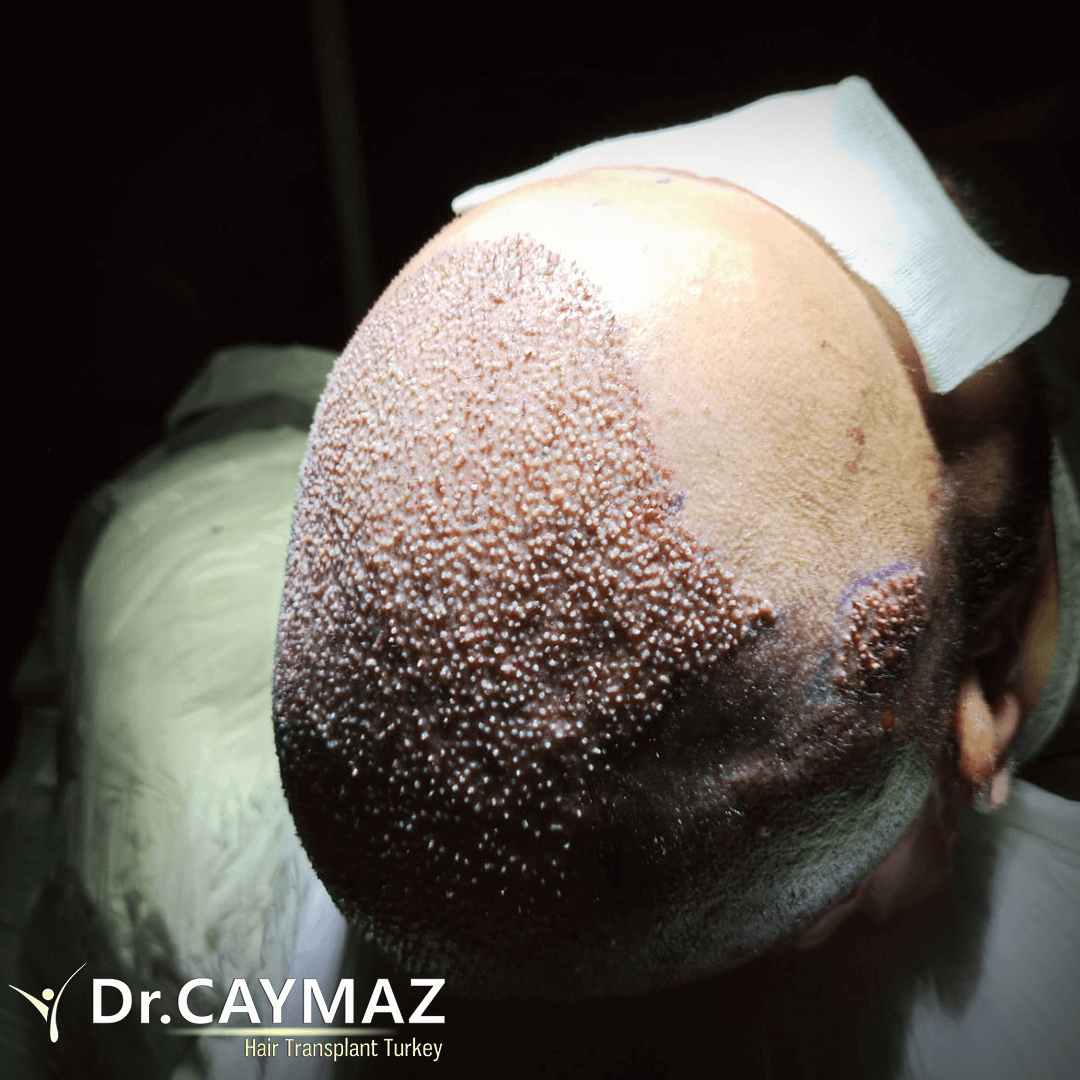
Almost every patient who has a hair transplant experiences itching. It typically begins within two to five days after surgery, peaks during the first two weeks, and fades as the scalp heals. In the vast majority of cases, itching after FUE is a sign of recovery: nerve endings regenerating, scabs forming and detaching, and the skin closing over thousands of tiny recipient sites.
At the same time, itching is the symptom patients worry about most, because it can occasionally accompany a complication such as folliculitis or infection. The purpose of this chapter is to give you a clinician’s framework for telling the two apart. If you’re a Hair Upload Clinic patient, remember that your aftercare team reviews photos at set intervals during the first month, so anything unusual is usually caught early.
Why the scalp itches during the first month
Understanding the mechanism makes the timeline easier to interpret. Four processes overlap:
- Wound healing. Each graft sits in a micro-incision about one millimetre wide. As these sites close, the body releases histamine and other inflammatory mediators, which trigger itch receptors.
- Scab formation. Dried serum and tiny crusts form over each graft. As they loosen between days 7 and 14, the scalp itches noticeably. This is expected and healthy.
- Nerve recovery. Local anaesthesia and incisions temporarily disturb superficial cutaneous nerves. Regenerating nerve fibres often produce tingling, numbness, and itch that can persist for weeks.
- Shedding phase. Transplanted hairs fall out between weeks 2 and 6. This shock loss and graft shedding guide explains why shedding is part of the process, not a failure.
None of these mechanisms involve the graft itself dying. Itching does not mean the transplanted follicles are being rejected; there is no such thing as graft rejection in hair transplantation because the tissue is your own.
Who experiences more itching
Some patients itch more than others, and candidacy factors matter when interpreting symptoms. You’re more likely to notice significant itching if you:
- Had a large session (3,000+ grafts), simply because there are more healing sites
- Have a history of seborrhoeic dermatitis, dandruff, or sensitive skin
- Tend to form thicker scabs, which is partly genetic and partly aftercare-dependent
- Sweat heavily or wear head coverings for long periods in the first two weeks
- Live in a dry climate or travel by air shortly after surgery, which dries the scalp
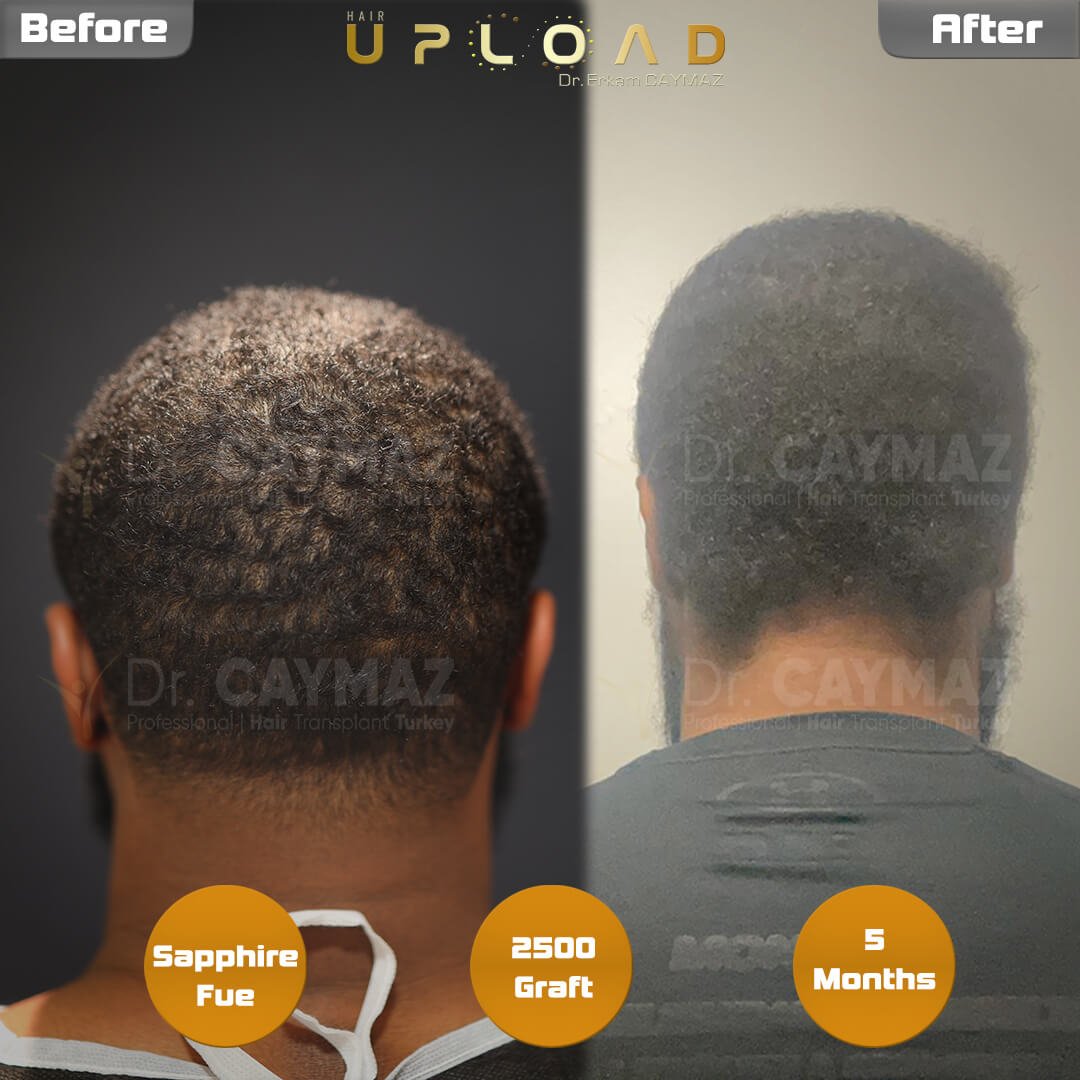
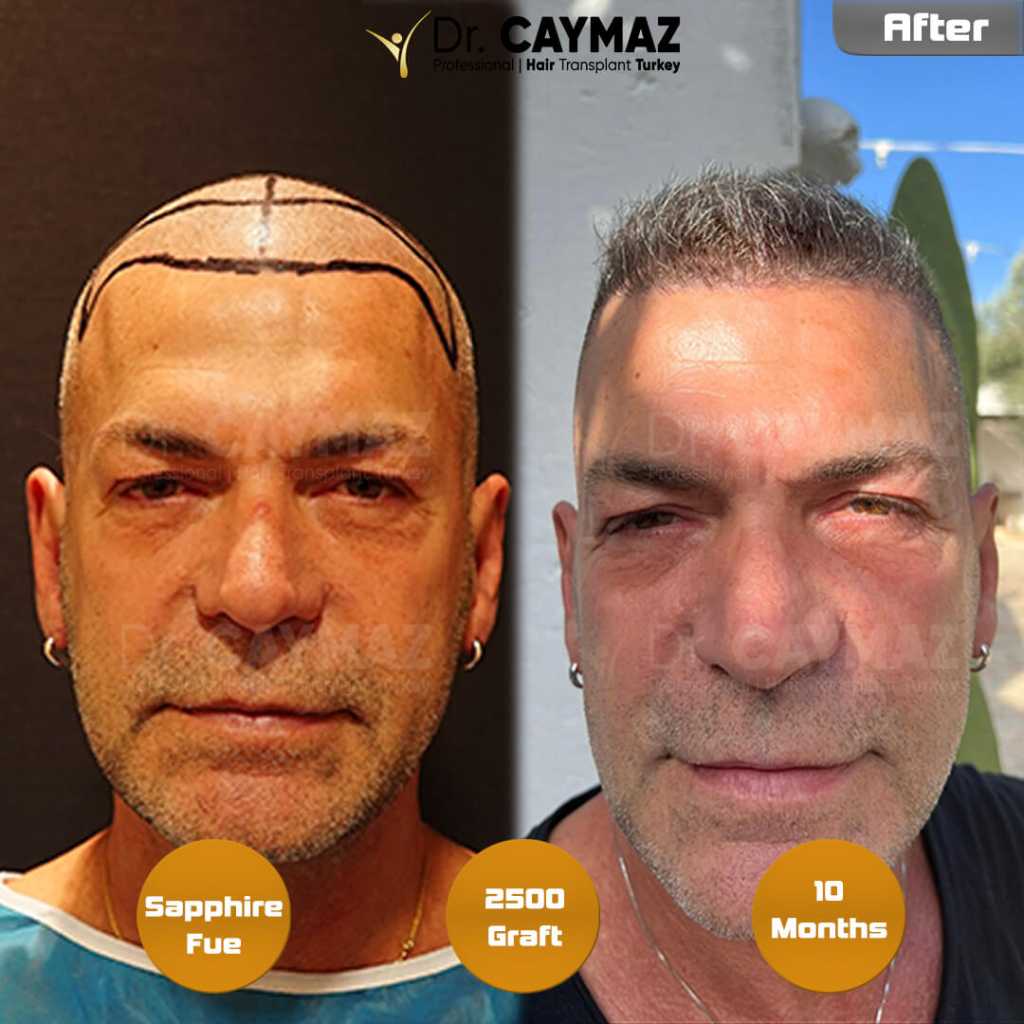
Patients who undergo Sapphire FUE at HU Clinic generally report slightly milder crusting than with older steel-blade techniques, because the sapphire blade creates cleaner, narrower recipient sites. Individual healing always varies, and this is assessed case by case during planning with Dr. Erkam.
A surgeon’s perspective on itchy scalps
At HUC, Dr. Erkam has reviewed thousands of post-operative photo consults over 15 years of practice, and his observation is consistent: patients nearly always overestimate the danger of itch and underestimate the danger of touching. ‘The itch itself almost never harms a graft,’ he notes. ‘Fingernails do.’ That’s why the clinic’s written aftercare protocol emphasises spray-and-wash strategies over any form of mechanical relief, and why the photo-review channel exists: an experienced eye can triage a healing scalp in seconds, while a worried patient at 2 a.m. often cannot. With only 1–2 VIP operations per day, the team has the bandwidth to answer those queries personally rather than through a generic support desk.
Normal timeline vs warning signs
The single most useful diagnostic tool is the timeline. Itching that fits the expected pattern below is almost always normal. Itching that arrives with the features in the right-hand column deserves a photo review by your clinic.
| Timeframe | Normal healing (expected) | Warning signs (contact your clinic) |
|---|---|---|
| Days 1–3 | Mild tightness, tingling as anaesthesia wears off; first wash performed at clinic | Severe pain, spreading redness beyond the recipient zone, fever |
| Days 4–10 | Noticeable itching, scab formation, mild pinkness of the scalp | Yellow crusting with pus, painful red pimples around grafts, swollen lymph nodes |
| Days 10–21 | Itching peaks then eases; scabs lift with gentle washing | Wet, oozing sores; crusting that worsens instead of improving after day 10 |
| Weeks 3–6 | Mild intermittent itch as hairs shed; scalp looks progressively normal | Painful pus-filled bumps (folliculitis clusters), tenderness in the donor area |
| Months 2–4 | Occasional itch as new hairs emerge through the skin | Recurrent inflamed pustules, growing red patches, hair loss in patches |
Donor area itch vs recipient area itch
The two zones heal differently, and patients often notice the distinction only after surgery. The donor area at the back of the head, where grafts were extracted with small punches, typically itches earlier and more sharply because the sites are slightly larger and the skin there is thicker. This itch usually resolves within 10 to 14 days as the extraction points close. Tightness in the donor area is also common for the first week, especially with larger sessions, and mild numbness can linger longer.
Recipient area itch, by contrast, is driven mainly by scabbing over each graft and tends to peak slightly later, around days 7 to 12. Because the frontal scalp has thinner skin and more nerve endings, the itch there can feel more intense even though the tissue is healing normally. If one area itches and the other doesn’t, that asymmetry is usually just timing, not a problem. What matters is whether either zone shows the warning features listed in the table: spreading redness, discharge, or worsening pain.
How infection actually presents
True infection after a hair transplant is uncommon when aftercare instructions are followed, but international patients should know what it looks like. Bacterial infection of the recipient or donor area usually appears between day 4 and day 14 and shows a cluster of features rather than itching alone:
- Increasing redness that spreads rather than shrinks day by day
- Yellow or green discharge, or crusts that look wet and sticky
- Pustules: small white or yellow pimples filled with pus
- Worsening pain instead of steady improvement
- Fever above 38°C (100.4°F) or flu-like feeling
Don’t self-diagnose based on itch intensity alone. Intense itch with a clean, dry, mildly pink scalp is still far more likely to be normal healing than mild itch with pustules and fever. When our aftercare team at HUC reviews photos, we look at the appearance of the skin, not the severity of the itch.
A separate, later condition called folliculitis can appear from month 2 onward, when new hairs curl and cause small inflamed bumps. Isolated spots are usually harmless, but clusters that persist or spread need assessment, occasionally with a short course of treatment prescribed by a physician. Medication is never started without individual evaluation.
Aftercare: how to reduce itching safely
The first ten days of aftercare do most of the work in preventing both severe itching and infection. At Hair Upload Clinic, patients receive a written day-by-day protocol before flying home from Istanbul. The core rules:
- Follow the washing schedule. Proper moist washing, starting on the instructed day, softens scabs so they lift on their own. Never pick or scratch crusts off: this is the single most common way patients damage grafts.
- Use only recommended products. Medicated or lotion shampoos provided by the clinic keep the scalp clean without over-drying. Harsh shampoos, alcohol-based products, and home remedies increase irritation.
- Keep hands away. Fingernails carry bacteria onto a healing scalp. If you must touch the area, wash hands first and use a clean fingertip pad, never nails.
- Hydrate and avoid sweat. Heavy exercise, saunas, and dusty environments raise the risk of both itching and folliculitis during the first two weeks.
- Spray, don’t scratch. Saline spray or the clinic’s recommended moisturising spray relieves itch instantly and safely. Cold compresses around (not on) grafted areas in the first days also help.
Sleeping with the head slightly elevated for the first three to four nights reduces swelling, which in turn reduces itch. If you’d like broader recovery context, our page on the week-by-week hair transplant recovery timeline covers swelling, redness, and sleeping position in detail.
What not to do
Some well-meant actions make things worse. Avoid the following in the first two weeks:
- Scratching, rubbing, or picking at scabs, even when the itch is intense
- Applying anti-itch creams, steroid creams, or antiseptics not prescribed by your clinic
- Taking antihistamines without medical advice: they rarely help healing itch and can cause drowsiness before flights
- Wearing tight hats or helmets that trap sweat against the grafts
- Exposing the scalp to direct sun, which prolongs redness and sensitivity
If the itch becomes unbearable, contact your clinic rather than improvising. A photo sent through the aftercare channel usually resolves the question within hours. Any medication decision, including antihistamines or antibiotics, belongs to a physician who has seen your scalp, not to an internet forum.
Practical notes for international patients
Most of our patients fly home within one to three days of surgery, which means the entire itchy phase of healing happens at home, far from Istanbul. This is safe when three things are in place: clear written aftercare instructions, a photo-review channel with the clinic, and knowing the warning signs in the table above.
At Hair Upload Clinic, Dr. Erkam’s aftercare team checks in with patients at set points during the first month, and patients can send photos at any time. Because the clinic performs only 1–2 VIP operations per day, each post-operative patient gets individual attention rather than a call-centre queue. If you’re comparing clinics, ask specifically what photo support exists after you fly home; this matters more for a smooth recovery than most patients expect. You can also review our detailed hair transplant aftercare instructions before your procedure so nothing surprises you.
For patients weighing technique options, the choice between Sapphire FUE and DHI affects incision style and, to a modest degree, crusting, but the aftercare principles above apply to both. Our comparison of Sapphire FUE versus DHI explains who each technique suits best. And if you notice shedding alongside the itch during weeks 2–6, that’s expected: read our guide on whether transplanted hair falls out so the shedding phase doesn’t alarm you. Patients planning surgery can also start with our overview of hair transplant in Istanbul to understand travel, planning, and consultations.
When to contact your clinic immediately
Serious complications after hair transplantation are rare, but time matters with infection. Contact your clinic the same day if you notice any of the following:
- Fever above 38°C within the first two weeks
- Spreading redness, warmth, and swelling beyond the transplanted zones
- Pus, yellow crusting, or wet-looking sores on the scalp
- Severe or worsening pain that doesn’t respond to prescribed pain relief
- Any area of the scalp that looks distinctly different from surrounding skin and is getting worse
Early bacterial infection is usually resolved quickly with a physician-prescribed course of treatment. Waiting rarely improves anything. For our patients, a WhatsApp photo with a short description is enough for the team to triage and advise the next step.
This article is educational and reflects general clinical patterns; it doesn’t replace an individual assessment. If you’re a current or prospective patient of Hair Upload Clinic and have concerns about your healing, contact the clinic directly: Dr. Erkam’s team reviews every post-operative query personally.
Clinic insight: At HUC in Istanbul, Dr. Erkam plans every case personally and his team triages post-operative itch by photo review, focusing on skin appearance over itch intensity, with same-day guidance for any spreading redness or discharge.
Frequently Asked Questions
Is itching a sign that my hair transplant is failing?
No. Itching during the first two to three weeks is a normal part of scalp healing and nerve recovery, and it doesn’t mean the grafts are failing. Graft failure doesn’t present as itch; it presents as poor growth months later, which is rare when aftercare instructions are followed.
When does itching start after FUE, and how long does it last?
Itching usually starts within 2–5 days after surgery, peaks around days 7–14 as scabs form and lift, and fades over the following weeks. Mild intermittent itching can continue into months 2–4 as new hairs emerge through the skin.
Can I scratch my head gently after the first week?
No, avoid scratching entirely during the first two weeks. Even gentle scratching can dislodge grafts or introduce bacteria. Use saline spray, follow the washing protocol, and apply cold compresses around the area if needed to relieve the itch safely.
How do I know if my itchy scalp is infected?
Infection shows a cluster of signs, not itch alone: spreading redness, yellow or green discharge, pus-filled pimples, worsening pain, and fever above 38°C. If you notice any of these, send your clinic a photo the same day.
What are the pus-filled bumps I see months after my transplant?
Small pimples two or more months after surgery are usually folliculitis, which occurs as new hairs grow and occasionally curl under the skin. Isolated spots often settle on their own, but clusters that spread or persist should be assessed by your clinic.
I’ve flown home from Istanbul. Can my clinic still help if my scalp looks unusual?
Yes. At Hair Upload Clinic, post-operative photo reviews are part of the standard aftercare protocol, and international patients can reach the team at any point during recovery. Most itch and healing questions are answered the same day with a photo and a short description.
- ISHRS patient information on hair restoration surgery and recovery
- American Academy of Dermatology resource on hair and scalp conditions
- PubMed review of complications following hair transplantation
Medical disclaimer: This page is for education only and does not replace a consultation with Dr. Erkam at Hair Upload Clinic (HUC). Individual assessment is required.
Written by : Priya Sharma