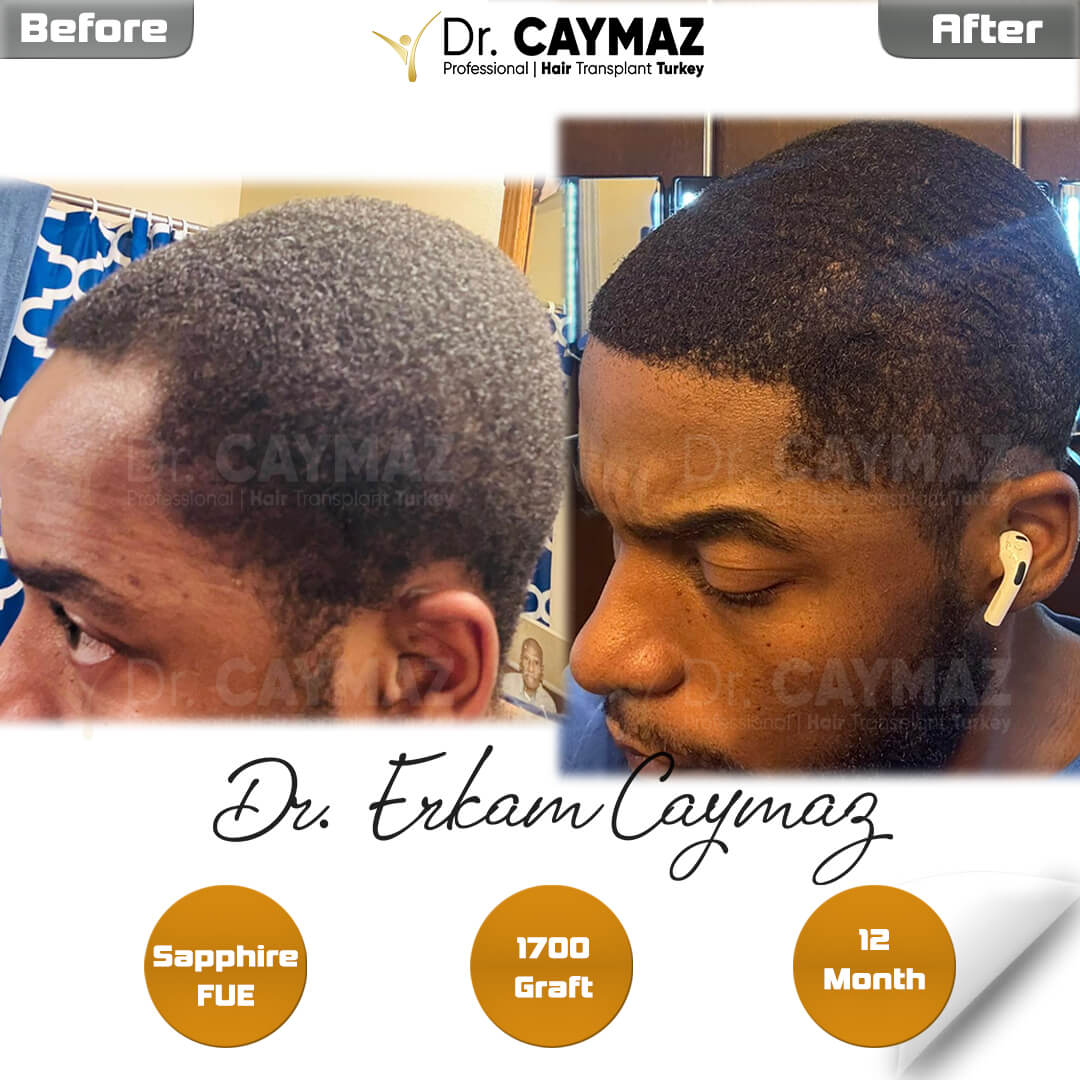
In hair transplantation, precision in frequency, density, and angle adjustments is crucial for a natural, lasting outcome. Mastery of these techniques ensures that grafts thrive and produce a dense, naturally appearing result, satisfying patients’ expectations and restoring confidence. In this planning guide, we outline the golden rules in hair transplantation, focusing on each aspect essential for success. Hair density is so important.
- Understanding Hair Transplant Density
Achieving the correct hair transplant density is essential for a natural look. Density directly influences how thick or sparse the hair appears and, ultimately, the satisfaction of the transplant. A well-calculated density complements the existing hair, avoiding a patchy appearance.
- Importance of Hair Transplant Angles
Transplant angles determine the direction and growth pattern, crucial for blending with natural hair. Skilled surgeons evaluate natural hair angles and match them, ensuring the new hair appears cohesive with the surrounding hairline and scalp.
- Assessing the Donor Site for Viable Follicles
Quality of the donor site is foundational. High-density, resilient hair from this area ensures better transplant success, impacting the overall density and vitality of the new hair growth.
- Determining Natural-Looking Density for Each Patient
A successful transplant considers the original density and desired look. Setting the proper density goals tailors the transplant to individual needs, resulting in a balanced and natural outcome.
- Avoiding Scalp Necrosis in Transplants
Neglecting density or improper techniques can lead to complications like scalp necrosis. Adopting careful procedures to prevent blood flow disruption is crucial in high-density transplants.
- Choosing the Right Angle for Each Section of the Scalp
Different areas of the scalp demand unique approaches in angle and density to maintain uniformity and an organic look, especially for complex zones like the hairline.
- Evaluating Follicle Viability for Higher Graft Success Rates
Hair follicles must be healthy to ensure survival in the recipient area. Evaluating follicular health before transplantation leads to better retention rates and long-term satisfaction.
- Transplant Site Limitations and Adaptations
Site limitations can impact transplant success. Professionals adapt graft densities based on area limitations, ensuring even distribution and minimizing visible gaps.
- Maintaining Natural Density Through Proper Frequency Settings
Frequency settings dictate the number of grafts in a given area. This balance avoids overcrowding and ensures sufficient scalp coverage, resulting in a seamless hairline and growth pattern.
- Recognizing Patient Expectations for Optimal Results
Each patient has unique expectations. A thorough consultation ensures realistic goals, aligning technical execution with patient desires for density and hairline appearance.
- Preventing Visible Transplant Patterns Through Advanced Techniques
Innovative techniques prevent obvious transplant patterns, especially at high densities. These methods ensure the new hair mimics the natural texture and thickness.
- Post-Surgery Care for Long-Term Hair Density Retention
Following a transplant, specific post-care routines are necessary to protect grafts and enhance density retention, impacting overall transplant success and growth rate.
- Precision in Transplant Frequency to Match Natural Growth
Maintaining the correct frequency avoids over- or under-transplanting. Frequency settings should reflect the patient’s natural hair growth, adding realism to the result.
- Correctly Positioning Hair Follicles for Optimal Angles
Accurate follicle positioning is essential, especially at varying angles across the scalp. This precision ensures each hair grows in alignment with the natural pattern.
—
- Anticipating Future Hair Loss in Transplant Planning
A comprehensive plan considers potential future hair loss, especially for patients with progressive patterns, enabling surgeons to anticipate areas that may require additional density over time.
Conclusion
Achieving a successful hair transplant hinges on these golden rules: meticulous analysis of the transplanted area, carefully setting density and frequency, and adjusting angles. Each detail must align with natural growth patterns, creating an indistinguishable blend with the patient’s existing hair. Mastery in density, angle, and frequency results in a natural, durable, and aesthetically pleasing hair restoration.
—
Frequently Asked Questions
- What is the ideal hair transplant density?
The ideal density varies per individual but generally achieves 40-60% of natural density for a realistic look.
- Why are hair transplant angles important?
Correct angles ensure hair grows in the natural direction, blending seamlessly with existing hair.
- How do surgeons determine the frequency for grafts?
Frequency is based on natural hair distribution and desired outcome to prevent over- or under-coverage.
- Can density affect the success rate of a transplant?
Yes, achieving the correct density is crucial; too low looks sparse, too high risks scalp issues.
- What is scalp necrosis, and can it be prevented?
Necrosis is tissue death from poor blood flow; it’s preventable with careful density and graft placement.
- How does the donor site impact density?
A strong donor site provides quality follicles, critical for transplant density and natural appearance.
- Is post-care necessary for retaining density?
Yes, post-care is essential to protect grafts and optimize density retention for long-term results.
- How long does it take for transplanted hair to reach full density?
It typically takes 9-12 months for full density to develop post-transplant.
- Can future hair loss affect the transplanted area?
Yes, future loss can impact appearance, but strategic placement can mitigate noticeable changes.
- Are hair transplants permanent in terms of density?
Transplants are generally permanent, but individual growth rates and future loss patterns may affect density slightly.
You’ll find that Related guides from Hair Upload Clinic:
Written by : Hair Upload - Hair Transplant Turkey - HU Clinic