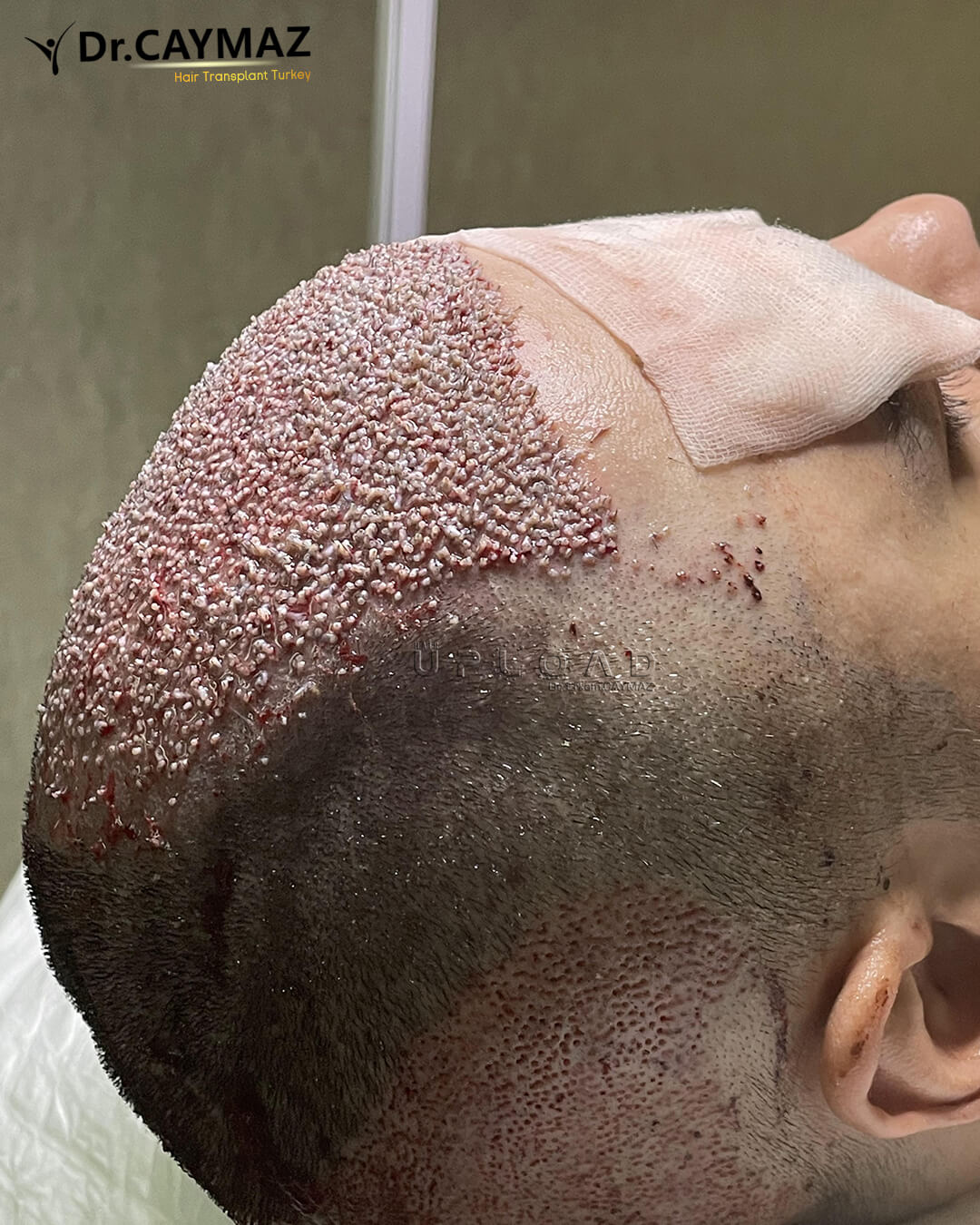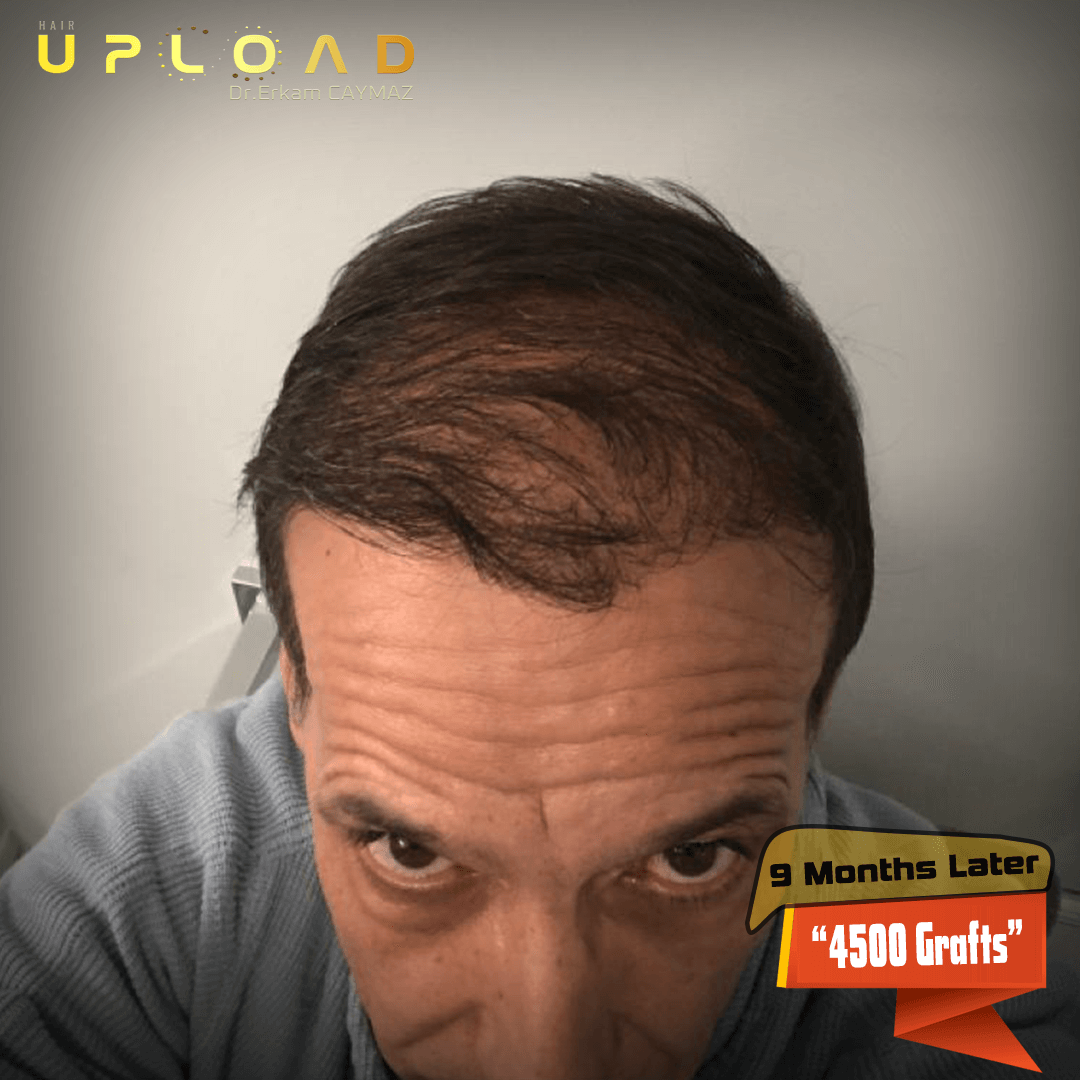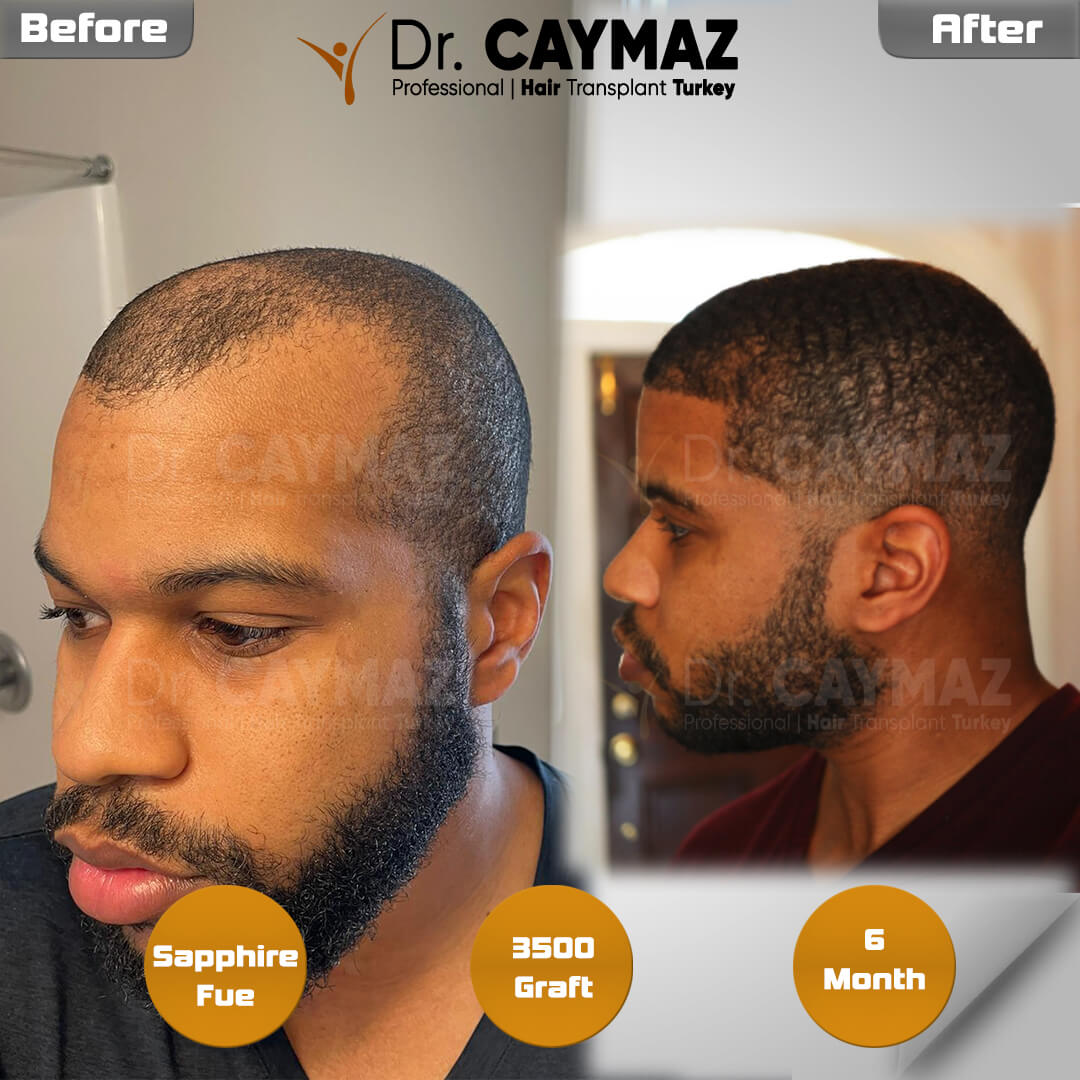
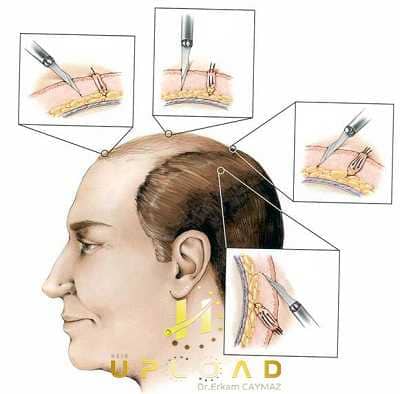
An Important detail: Hair transplantation angles. Hair transplantation should be done by giving angles in these directions.
Frontal hair channels should be opened at an angle of at least 45 degrees.
It is very important to give angle and direction. It is necessary for your hair to look natural and achieve beautiful results. Let us remind you once again that 1 hair graft is planted on your front hairline.
We’re using Sapphire Fue and DHI technique more comfortable for angles, directions, density. Dr. Erkam is using both techniques which are good for your case.
Hair Transplant Angles and Directions
Hair transplant angles and directions refer to the degree at which each graft exits the skin and the way it faces relative to your existing hair. When grafts match your natural exit angle (roughly 30-50 degrees at the hairline) and follow your growth pattern, the result looks undetectable. At Hair Upload Clinic in Istanbul, Dr. Erkam plans every angle before incisions begin.
Clinic insight: At HU Clinic, owner-surgeon Dr. Erkam personally opens every recipient channel, because he regards angle and direction errors as the hardest to correct once hair has grown in.
Related guides from Hair Upload Clinic:
- Top hair transplant clinics worldwide
- Hairline design for men and women
- Best donor areas for hair transplant
- Shock loss after transplant: what is normal
Frequently Asked Questions
What angle should transplanted hair be placed at?
At the frontal hairline, grafts are usually placed at 30-50 degrees, becoming shallower (10-20 degrees) further back. The exact angle depends on your existing hair pattern, which is why Dr. Erkam maps it before opening channels.
Why does hair direction matter as much as angle?
Direction determines which way the hair lies when it grows. If direction is wrong, hair sticks up or crosses neighbouring hairs, and the result looks unnatural even with good density.
How are angles handled in the crown area?
The crown has a natural whorl, so grafts must be placed in a spiral pattern following your original growth. This is one of the most angle-sensitive zones in the whole transplant.
Can wrong angles be corrected later?
Partially. Small corrections are possible with extraction and re-implantation, but repeated surgery thins the donor area, which is why precise placement the first time matters most.
Does the technique (Sapphire FUE or DHI) affect angle control?
Both allow controlled angles, but surgeon skill decides the outcome. Dr. Erkam generally prefers Sapphire FUE for its precise channel control, with DHI used for selected cases such as unshaven transplants.
How long until I see if the angles were done correctly?
Transplanted hair sheds in the first 2-6 weeks (shock loss), then regrows from month 3. By months 9-12 the final direction and angle of the hair become visible.
Sources: ISHRS patient resources.
Medical disclaimer: This page is for education only and does not replace a consultation with Dr. Erkam at Hair Upload Clinic (HUC). Individual assessment is required.
How Are Angles and Directions Actually Decided During Surgery?
Angle work starts long before any graft is placed. Dr. Erkam examines your existing hair under magnification, noting how each zone behaves: the forward-swept fringe of the hairline, the parting direction on top, and the whorl of the crown. Recipient channels are then opened to match, using a sapphire blade that keeps incisions small and precise. Because he performs this step personally rather than delegating it, the blueprint set on day one stays consistent through implantation, when expert technicians place each graft under his supervision.
| Zone | Typical exit angle | Direction pattern |
|---|---|---|
| Frontal hairline | 30-50 degrees | Forward, slight fan-spread |
| Mid-scalp | 20-30 degrees | Follows existing parting |
| Crown (whorl) | 10-20 degrees | Spiral around whorl centre |
| Temples | 30-45 degrees | Downward and backward taper |
Written by : Elena Vasquez