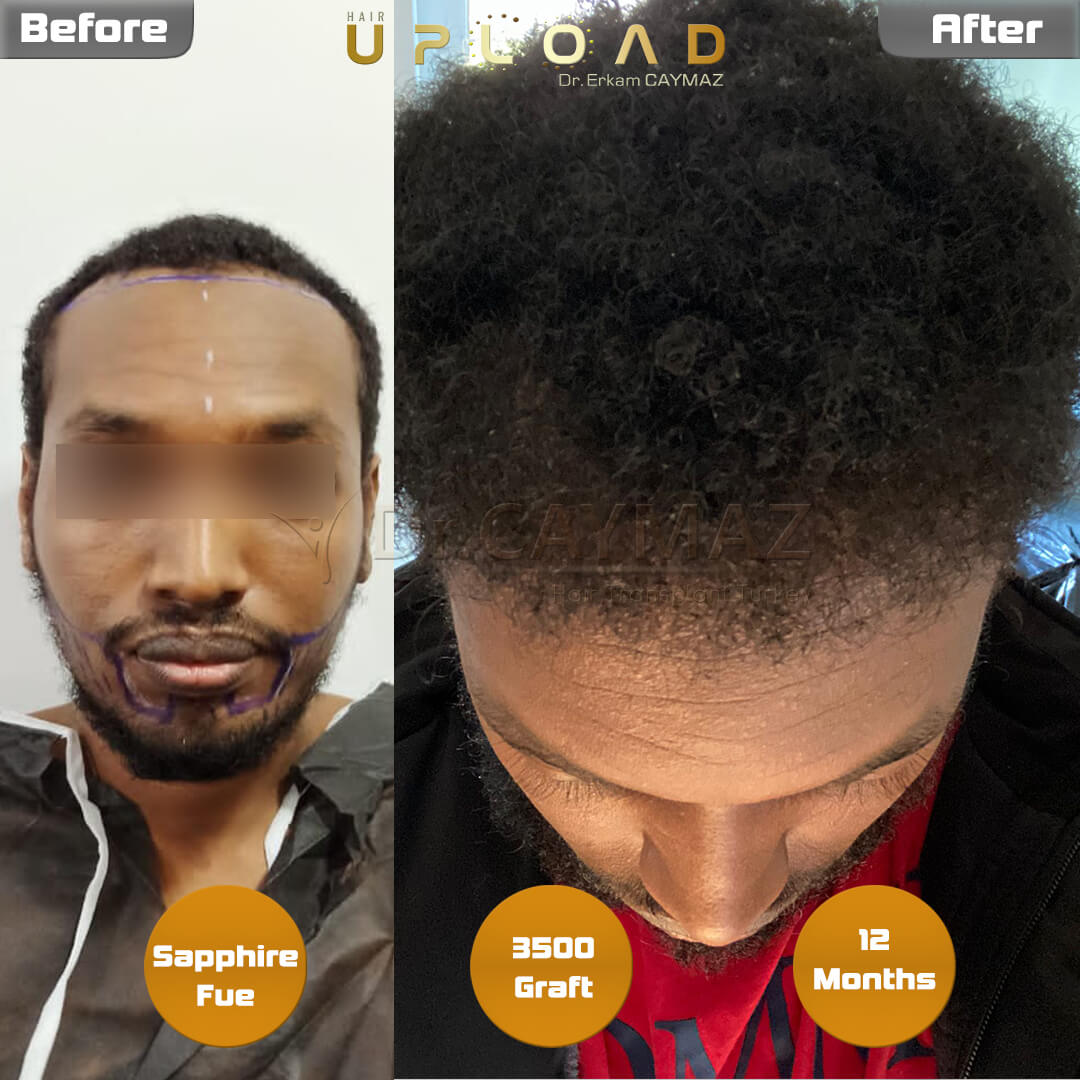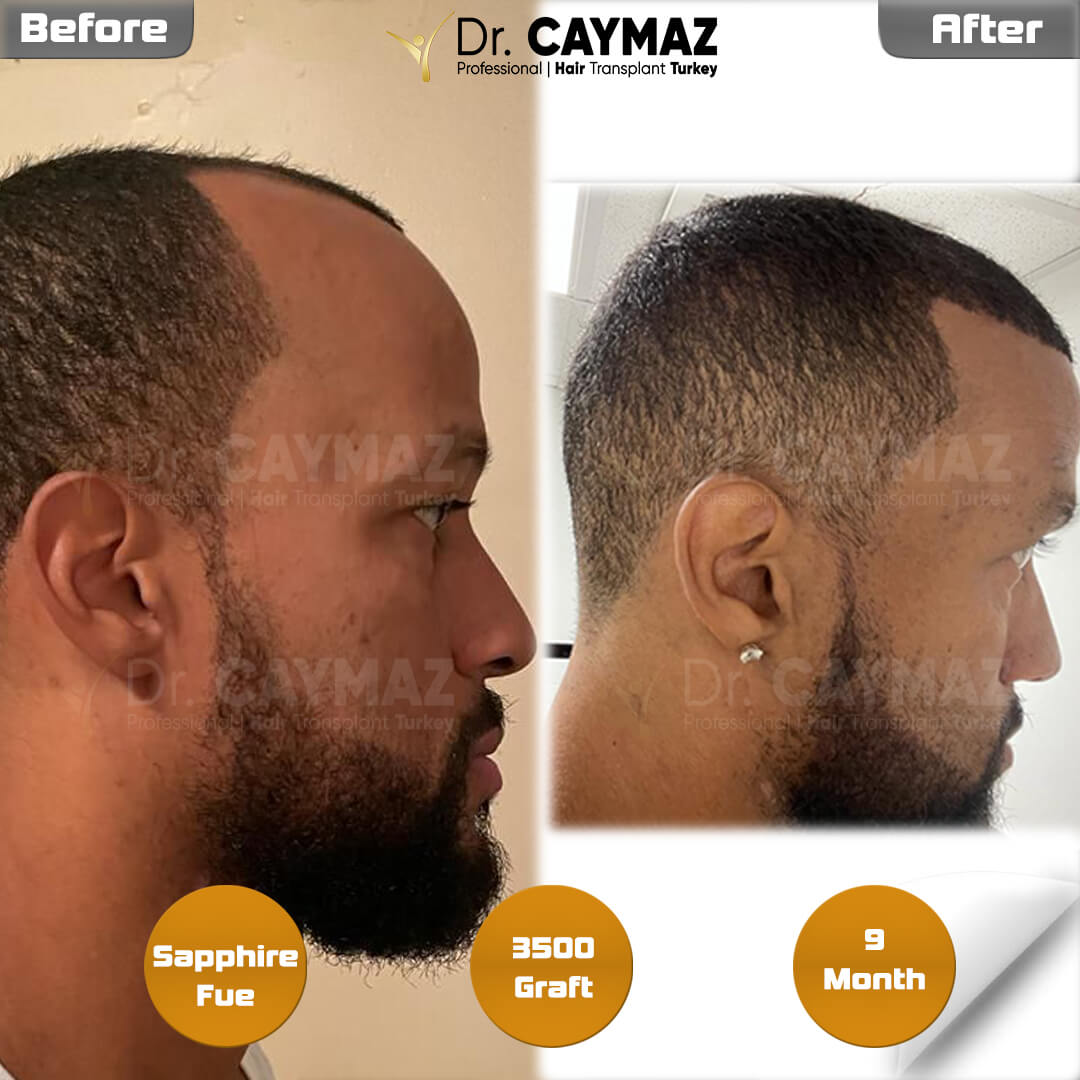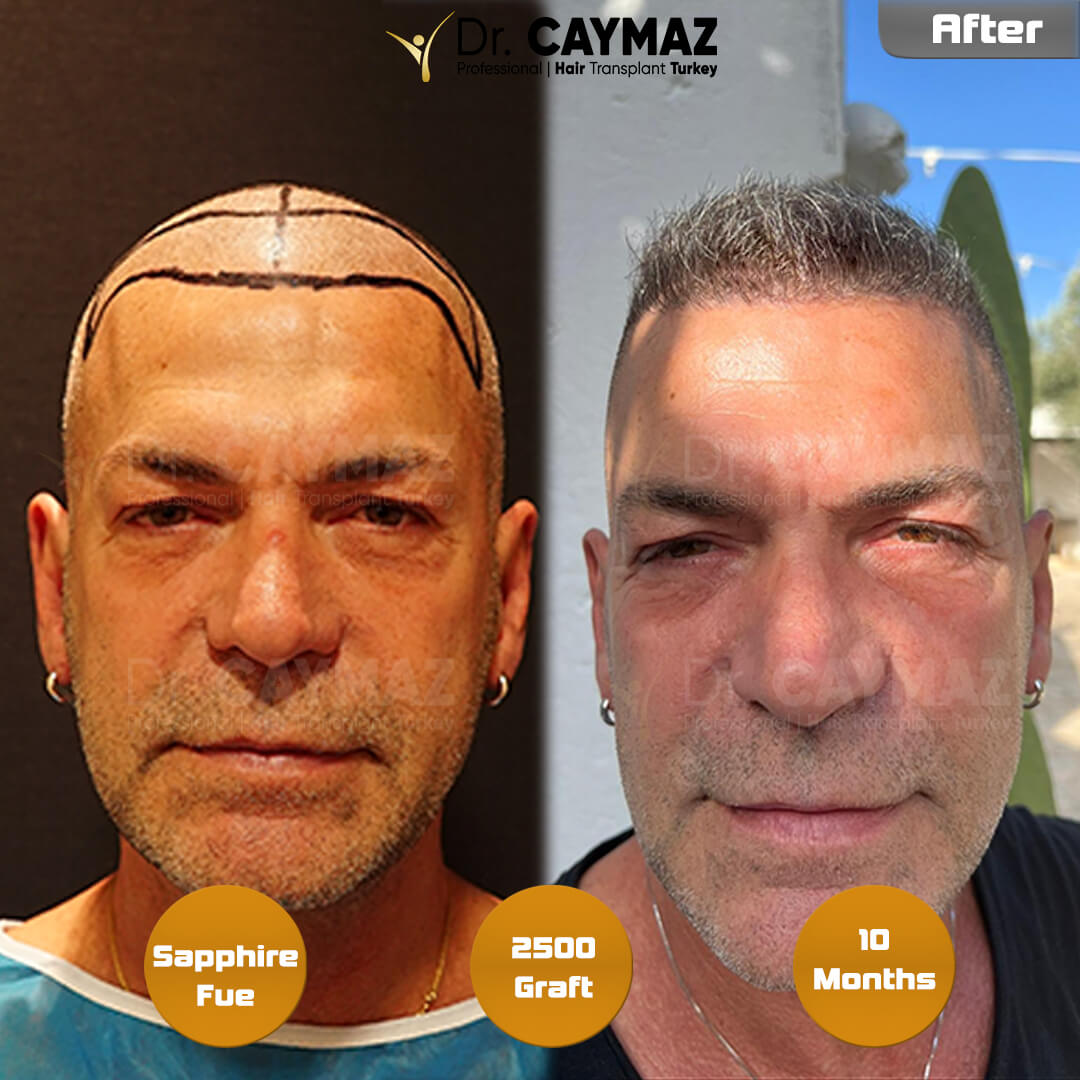
In the application, which is called a graft and also known as a patch, any tissue is taken and transplanted to another area. The most important feature of these tissues is that they don’t have vascular and nerve connections. How Many Grafts Are Needed to Cover the Whole Head? While being investigated, it is seen that these grafts are fed from the surrounding tissues by diffusion method. In this way, new vessel formations are seen.
When grafts are to be used, thin-thickness ones are preferred. Acceptance, when placed in the body, is the main purpose. Therefore, although they’re used in small amounts, it is aimed to keep them at a high rate. Hair follicles are also among the tissues used during such a procedure.
Before the hair transplantation, the number of grafts the patient needs is calculated under the control of the doctor. It must be an insufficient quantity when grafts will be taken from the part called the donor area. There are approximately 2-3 hair strands in a graft.
Depending on the rate of reduction in the head, the amount of hair to be transplanted is determined. When the calculation is made, some tools are used in the calculation of hair follicles while control is made under the supervision of a specialist doctor.
What is a graft?
Covering the whole head usually requires 6,000–8,000+ grafts split across one or two sessions, only if donor density allows. At Hair Upload Clinic, Norwood VI–VII plans prioritize hairline and mid-scalp first; full crowns may need lowered density expectations.
Clinic insight: At Hair Upload Clinic in Istanbul, Dr. Erkam meticulously assesses each patient’s unique hair loss pattern and donor capacity to determine the optimal graft count for comprehensive coverage, prioritising natural aesthetics and long-term viability.
The application, called a graft, is commonly known as a patch. What is a graft? When researched, it is seen that these patches are taken as tissue and transplanted to another region. These tissues, which cling to the area to which they’re transferred after transplantation, continue to maintain their vitality.
It is possible that the grafts that need to be transferred by a specialist physician may consist of various tissues. Hair follicles are also among these types of grafts. Developing technologies allow hair follicles to be removed one by one from the so-called donor areas and transferred to areas with baldness or thinning.
For the transplanted grafts to survive, they must be fed by the diffusion method from the tissues. It is an important feature of these tissues that they don’t have vascular and nerve connections, and it is seen that they cling to the area where they’re planted in a short time.
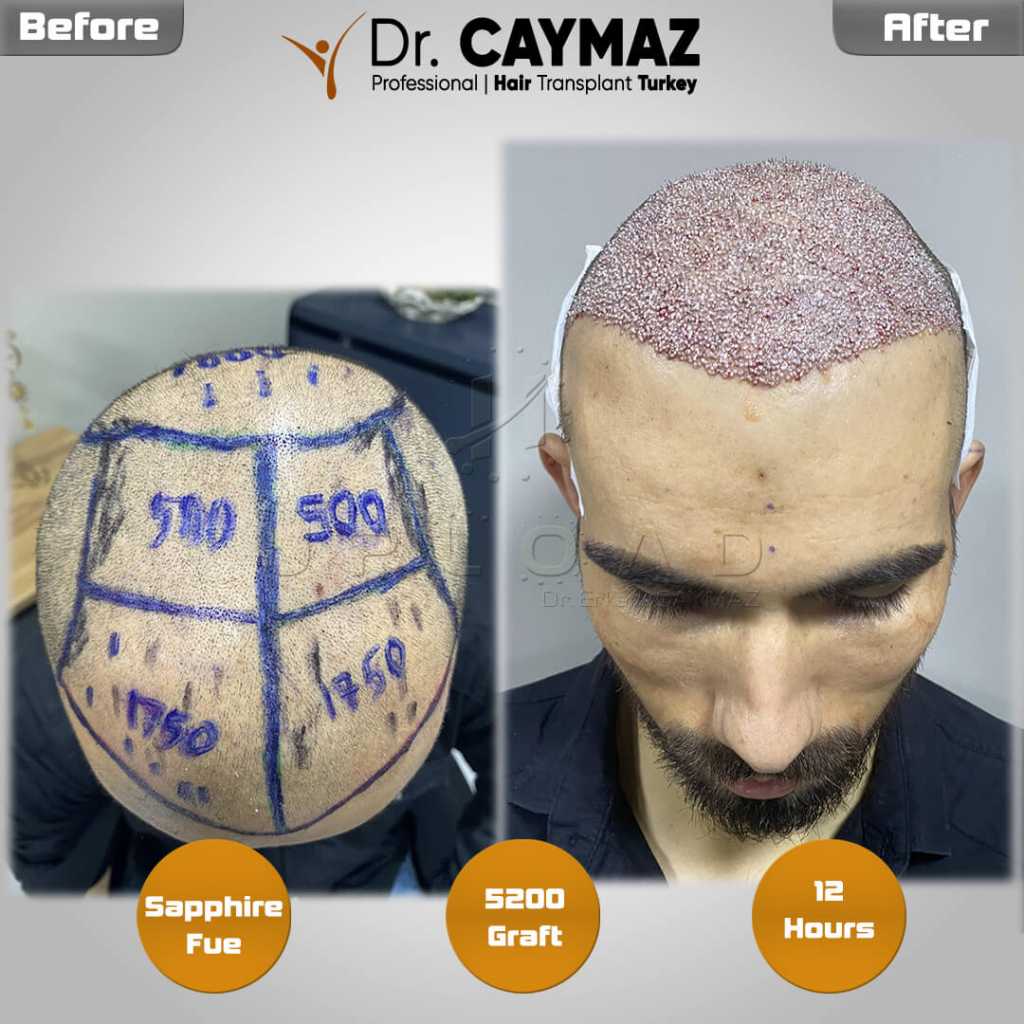
How Many Grafts Are Needed to Cover the Whole Head?
During hair transplantation, there are issues to be considered in order to obtain a natural appearance. Among them; there are many issues such as the direction of the hair to be transplanted, the growth angles of the hair follicles, the equal distribution of hair colors. How Many Grafts Are Needed to Cover the Whole Head? In case of curiosity, this calculation is made per square centimeter.
Each person’s mindset is different. Therefore, it is very difficult to talk about a fixed number of grafts. While it is known that minimum 40-60 grafts are applied on average per square centimeter, the ideal number is achieved in this way.
Achieving this rate varies depending on the patient’s condition. Having a sufficient number of grafts in the donor area is a necessary prerequisite for performing the procedures. The number of hair follicles in a normal scalp is approximately 180-200.
The structure of the hair is an effective factor in the appearance of the underlying skin when thinning occurs. This situation, which varies depending on the hair structure of the people, follows a different course in each individual. While calculating the graft, these procedures are performed under the control of a specialist doctor.
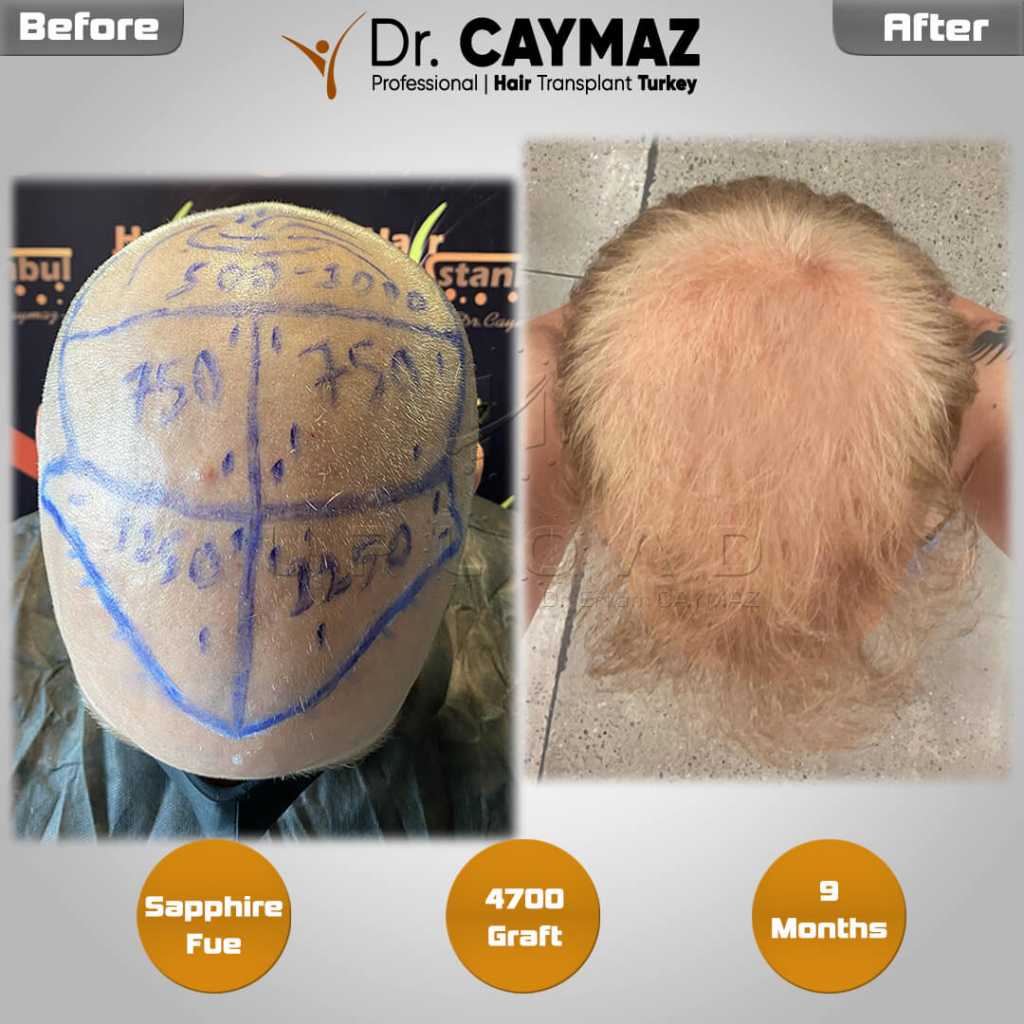
For this reason, the results of the preliminary interview that the patient will have with the doctor are acted upon. While the presence of 180-200 hair follicles per square centimeter is taken into account when hair transplantation will be performed, it may be necessary to review these ratios by the doctor if the balding area is large. In this case, a decrease is inevitable.
While the hair to be taken from the donor area should be sufficient during the transplantation process, it is primarily aimed to hold the transplanted hair at a high rate. It is mandatory to use some tools in order to calculate the grafts during the examination. Hair graft calculation tools are therefore used. With this method, it is possible to learn the hair follicles that may be necessary for the entire head.
It depends for Norwood Scale:
Norwood 1: 800 – 1,000 grafts
Norwood 2: 1,000 – 2,000 grafts
Norwood 3: 2,000 – 3,000 grafts
Norwood 4: 3,000 – 4,000 grafts
Norwood 5: 4,000 – 5000 grafts
Norwood 6: 5,000 – 6,000 grafts
Norwood 7:6,000 – 8,000 grafts
You can imagine like this.
Recovery & planning guides:
- Shock loss timeline: what is normal
- Donor area safety
- DHI vs sapphire FUE
- Choosing a clinic in Istanbul
Frequently Asked Questions
Can one session cover the entire scalp?
Rarely, safe extraction limits and time cap most single days at ~4,000–5,000 grafts.
How does this differ from stage planning?
Stage planning picks priority zones; this page estimates whole-head graft totals.
Will full coverage look like teenage density?
No, surgeons trade native density for broader coverage when grafts are limited.
Sources: ISHRS patient resources.
Medical disclaimer: This page is for education only and doesn’t replace a consultation with Dr. Erkam at Hair Upload Clinic. Individual assessment is required.
Personalised Graft Assessment at Hair Upload Clinic
Understanding the exact number of grafts required for a full head hair transplant is a highly individual process. At Hair Upload Clinic in Istanbul, Dr. Erkam personally conducts a detailed hair analysis and consultation. This ensures that your treatment plan is precisely tailored to your unique needs, aiming for optimal coverage and a completely natural appearance.
Written by : Amara Okafor