To choose a hair transplant surgeon well, verify that a named doctor plans and opens the channels, review at least 12 months of their own before-and-after cases, and confirm realistic graft and density promises. At Hair Upload Clinic in Istanbul, owner-surgeon Dr. Erkam leads planning and incisions for every VIP case.
What does choosing a hair transplant surgeon actually mean?
Choosing a hair transplant surgeon means verifying that a qualified, named physician takes responsibility for your case from consultation to incisions, and that the clinic’s promises match what hair restoration surgery can realistically deliver. It is not the same as choosing a clinic brand. A sleek website and a cheap package price tell you almost nothing about who designs your hairline, who opens the recipient channels, and who answers the phone when something goes wrong at week three.
This matters because a hair transplant is a surgical procedure performed under local anaesthesia, not a cosmetic treatment you can simply repeat if it disappoints. Every graft harvested from your donor area is a finite resource. Poorly planned surgery wastes grafts, and correcting a bad hairline often costs more, in money and in donor supply, than doing it right the first time. If you are comparing clinics at the level of regions and reputations, our best hair transplant clinics guide covers how to evaluate destinations; this article stays at the level of the individual surgeon and the concrete signals, red and green, that you can check before you pay a deposit.
Who this applies to: candidacy and context
This guidance applies to you if you are an adult with progressive androgenetic alopecia, a stabilised hair loss pattern, and adequate donor supply in the back and sides of the scalp. It also applies to patients seeking repair work after a previous transplant, women with diffuse thinning who have had a proper diagnostic workup, and people with scarring alopecia who need surgical judgement, not a sales script.
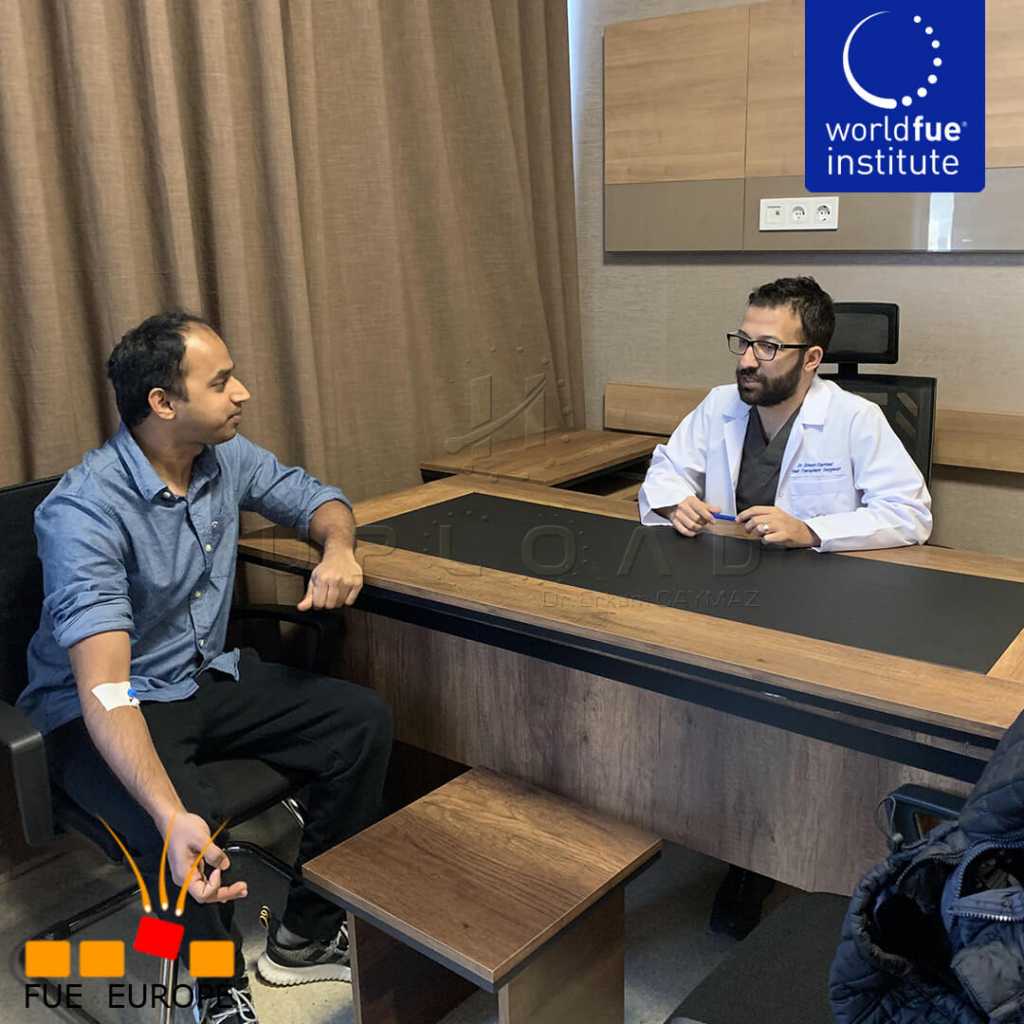
Your candidacy, though, is the second question. The first question is whether the person assessing you is qualified to say no. A surgeon who approves every consultation and quotes the same 4,000 grafts to everyone is not assessing you; they are processing you. A good assessment includes magnified donor evaluation, a discussion of your medical history, honest talk about future loss, and a plan that may include delaying surgery or starting medical therapy first. Medication decisions always belong with your own prescribing physician, and any clinic pushing a drug protocol without individual assessment should give you pause.
How to evaluate a surgeon: a step-by-step method
Think of surgeon selection as a clinical checklist rather than a feeling. Work through these steps in order, and stop the moment a clinic fails one badly.
1. Identify the named surgeon. You should be told, in writing, who will perform your procedure. Not “our medical team,” not “a specialist doctor,” but a name, a medical degree, and a registration you can verify. If the clinic cannot name the surgeon before you book, that is a red flag in itself.
2. Clarify the surgical division of labour. In most reputable clinics worldwide, the surgeon personally handles consultation, hairline design, and channel opening, while trained technicians perform graft extraction and implantation under the surgeon’s direct supervision. That model is normal and safe. What is not acceptable is a clinic where technicians do everything, including incisions, with no surgeon on site. Ask directly: who designs the hairline, who makes the incisions, and who supervises placement?
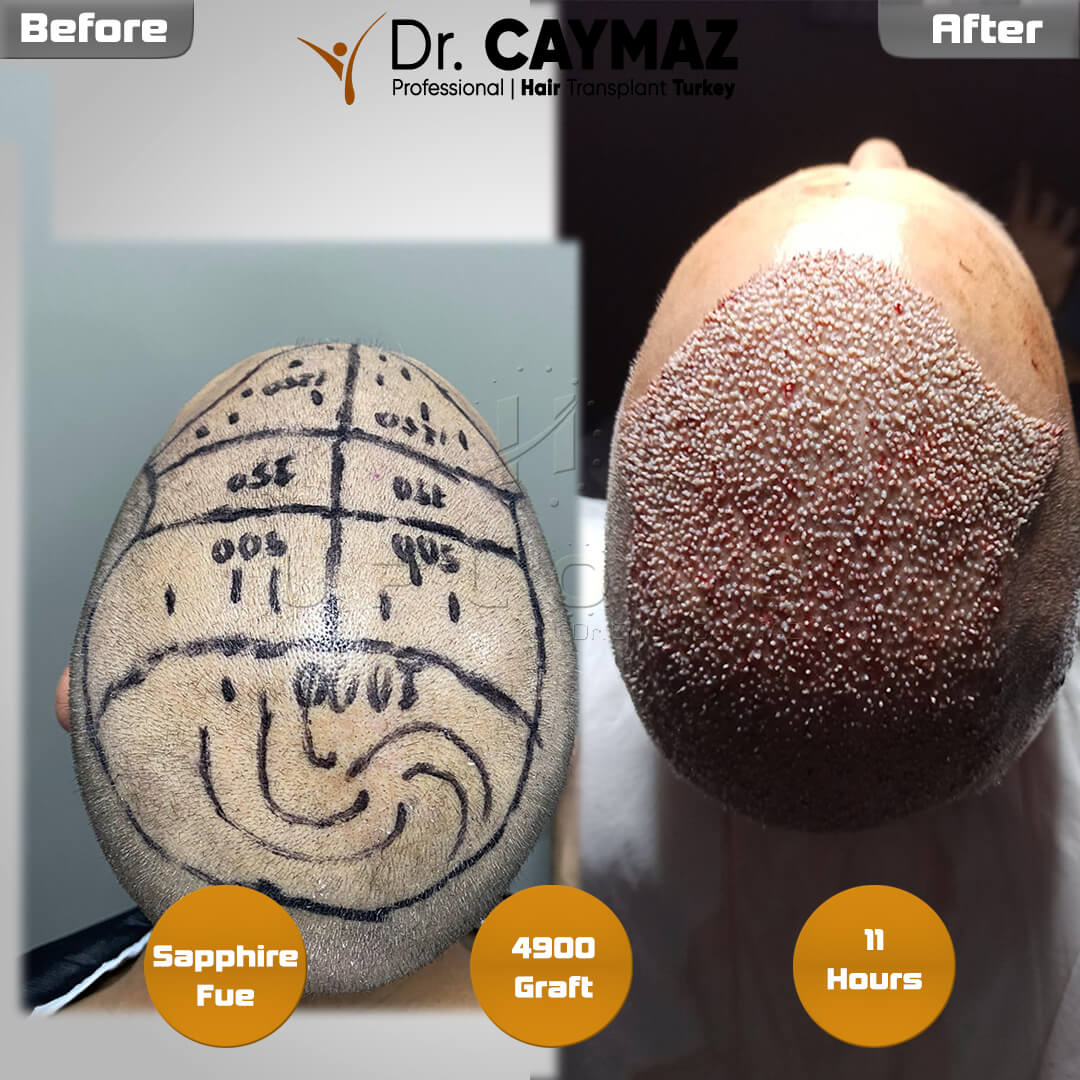
3. Review cases, not stock photos. Ask for before-and-after results photographed by the clinic itself, with consistent lighting, at 12 months post-op. Results shown at week two, or at day ten with wet hair combed forward, are not outcomes; they are healing photos. Expect to see a range of cases similar to yours in hair calibre, skin type, and loss pattern.
4. Interrogate the numbers. Honest clinics talk about overall success in the range of 90 to 95 percent and graft survival of up to 98 percent as separate figures. Any clinic promising a one hundred percent guarantee, “lifetime” results, or unlimited density is telling you what you want to hear. Hair transplant surgery cannot beat the biology of your donor area.
5. Check the anaesthesia and surgical setting. The procedure should be performed under local anaesthesia in a properly equipped surgical environment with sterile instruments and monitoring. Be wary of clinics marketing sleep sedation as a luxury upgrade; local anaesthesia with a calm, paced workflow is the standard, safer model for FUE and DHI.
6. Test the aftercare pathway. Ask who you contact on day three when the swelling peaks, or at month two when shock loss alarms you. A named follow-up contact and scheduled check-ins are green flags. A WhatsApp number that goes quiet after payment is not.
Red flags and green flags at a glance
The table below condenses the most common signals we teach international patients to look for during consultations. It works for Istanbul, London, or anywhere else you are comparing options.
| What to check | Green flag | Red flag |
|---|---|---|
| Named surgeon | Surgeon identified before booking; credentials verifiable | “Our medical team” with no named doctor |
| Surgical roles | Surgeon plans, designs hairline, and opens channels; trained technicians extract and implant under supervision | Technicians perform the whole procedure unsupervised |
| Case results | 12-month before-and-after photos from the clinic’s own archive, cases like yours | Stock imagery, week-one photos, or borrowed results |
| Outcome claims | 90–95% success and up to 98% graft survival discussed separately, with limits | high success rates, lifetime promise, or “unlimited” grafts |
| Daily volume | Low daily caseload so the surgeon can focus on your plan | Multiple simultaneous surgeries, assembly-line flow |
| Aftercare | Named contact, scheduled follow-up, written instructions | Silence once the deposit clears |
Risks of choosing badly, and the honest limits of surgery
The risks of a poorly chosen surgeon fall into three groups. The first is wasted donor supply. Overharvesting the donor area, or extracting grafts too aggressively, can leave a moth-eaten appearance that is difficult or impossible to fix. The second is poor aesthetics: a hairline placed too low, designed without regard to facial proportions, or distributed unevenly across a zone that needed prioritising. A low, flat hairline on a young man with ongoing loss looks worse each year as the loss progresses behind it. The third group is medical: infection, poor healing, visible scarring, prolonged shock loss, and, in high-volume settings, anaesthesia or sterility shortcuts.
Even with an excellent surgeon, limits exist. Shock loss, meaning temporary shedding of native and transplanted hairs from surgical stress, is common in the first two to three months and settles over six to nine months. Final density assessment before month 12 is guesswork. And a transplant does not create new donor hair; it redistributes what you have. A responsible surgeon tells you this before you fly anywhere. If your loss is aggressive and early, the green-flag answer may be “not yet,” combined with medical stabilisation first.
Aftercare timeline: what good follow-up looks like
Use this timeline to judge whether a clinic’s aftercare promise is real. Reputable clinics structure follow-up around these milestones and expect your questions at each one.
Days 1–3: First hair wash, usually guided by clinic staff, with swelling management and clear written instructions. You should have a named contact reachable daily.
Days 4–10: Scabbing clears gradually; sleeping position and touch discipline matter. Photos at day 10 are standard documentation, not marketing.
Weeks 2–6: Transplanted hairs shed, which is normal and expected. This stage confuses patients who were not warned, which is exactly why warning you is a green flag.
Months 2–4: Shock loss of surrounding native hair may appear; regrowth of transplanted follicles begins. A check-in call here separates caring clinics from transactional ones.
Months 6–12: Growth thickens progressively; final assessment happens at 12 months. Plan any review, touch-up discussion, or second session after this point.
Practical notes for international patients evaluating Istanbul
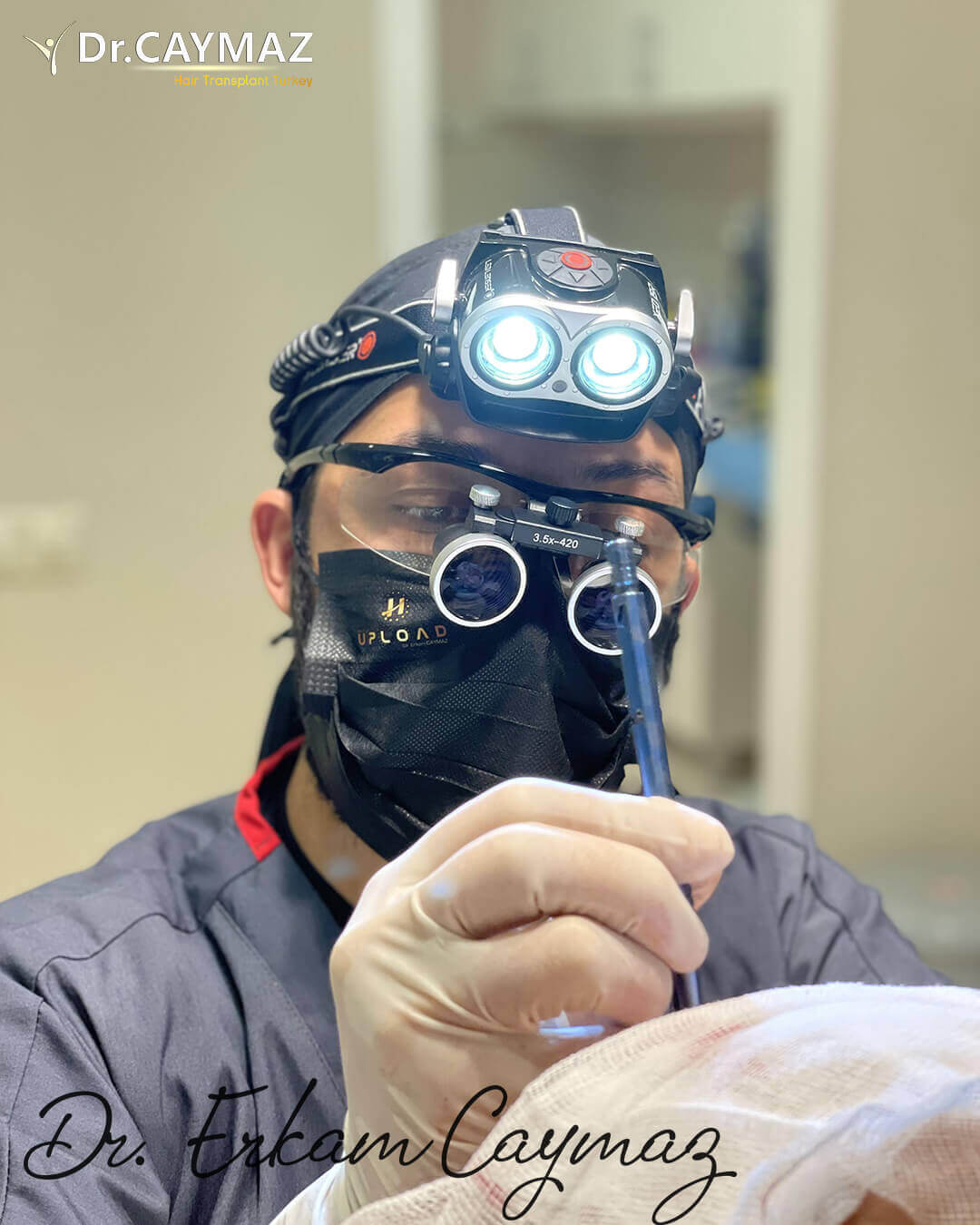
Istanbul has earned its reputation as a hair restoration hub, but the spread of quality within the city is enormous. Boutique surgeon-led clinics coexist with high-volume operations running many cases a day, and package pricing does not tell you which one you are booking. At Hair Upload Clinic, the model is deliberately small: one to two VIP operations per day, with owner-surgeon Dr. Erkam handling consultation, hairline design, and channel opening using sapphire FUE, and selected DHI cases where implantation technique or an unshaven approach makes it the better fit. Graft extraction and implantation are performed by the expert technician team under his direct supervision, which is the honest description of the division of labour you should expect any clinic to give you.
Before you commit to any city or clinic, do the video consultation properly. Have your donor area assessed under magnification, ask for your written graft estimate and hairline plan, and compare what different surgeons say about your case. If two clinics quote wildly different graft numbers for the same photographs, someone is selling, not assessing. Patients planning the practical side of travel can read our guidance on all-inclusive hair transplant packages to understand what a fair package should and should not include, and those still weighing technique can review our comparison of sapphire FUE versus DHI to prepare better questions. It also helps to understand how healing unfolds; our day-by-day recovery timeline shows what a well-supported aftercare pathway looks like in practice. And if you are weighing a second procedure after earlier work elsewhere, start with our article on what to know about a second hair transplant, because donor accounting changes everything in repair cases.
One last practical rule: price per graft in legitimate Istanbul clinics generally sits in the range of two to four euros. Pricing far below that range usually means corners are being cut somewhere you cannot see, in staffing, sterility, or surgical time. Cheap surgery is expensive to fix.
Medical disclaimer: This article is educational and does not replace an individual consultation. Candidacy, graft planning, and any medication decisions require assessment by a qualified physician for your specific situation.
Clinic insight: At HU Clinic in Istanbul, Dr. Erkam personally performs consultation, hairline design, and channel opening for the clinic’s one to two daily VIP cases, with the technician team handling extraction and implantation under his supervision, an arrangement he reviews case by case rather than promising a universal best technique.
Frequently Asked Questions
Should the surgeon perform the entire hair transplant personally?
No, and any clinic claiming the doctor extracts and implants every graft personally for every patient should raise questions. The standard of care is that the surgeon handles consultation, hairline design, and channel opening, while trained technicians extract and place grafts under direct supervision. What matters is that a named, qualified surgeon leads the surgical decisions.
How many before-and-after photos should I ask to see?
Ask for multiple cases photographed by the clinic itself at 12 months post-op, ideally matching your hair type and loss pattern. Be cautious with day-ten photos, wet-hair shots, or images that look like stock photography. Consistent lighting and angles across cases suggest honest documentation.
Is a lower price per graft always a better deal?
Not usually. Legitimate Istanbul pricing generally runs two to four euros per graft. Prices far below that range often reflect shortcuts in staffing, sterility, or surgical time, and correcting a poor result costs far more than the original saving.
What success rate should a trustworthy clinic quote?
Honest clinics describe overall success around 90 to 95 percent and graft survival of up to 98 percent as separate figures, and they explain the limits of both. Any promise of a 100 percent guarantee or lifetime results is a red flag, because no surgery can override the biology of your donor area.
What questions should I ask about anaesthesia?
Confirm the procedure is performed under local anaesthesia in a proper surgical setting. Be wary of clinics marketing sedation or sleep as a premium feature; local anaesthesia with a paced, calm workflow is the safer standard model for FUE and DHI.
How soon after consultations should I decide?
Take your time. Get at least one detailed video consultation with magnified donor assessment, a written plan, and a clear division-of-labour answer. If a clinic pressures you with expiring discounts or same-day booking demands, treat that urgency itself as a red flag.
Sources: ISHRS patient information on choosing a qualified hair restoration physician; American Academy of Dermatology overview of hair transplant surgery; PubMed review of follicular unit excision techniques and outcomes
Medical disclaimer: This page is for education only and does not replace a consultation with Dr. Erkam at Hair Upload Clinic (HUC). Individual assessment is required.
Written by : Priya Sharma