
Yes, most men and women with well-controlled hypertension can safely have a hair transplant. At Hair Upload Clinic in Istanbul, Dr. Erkam screens every patient’s blood pressure and medications before surgery day, because uncontrolled high blood pressure raises bleeding, graft survival, and healing risks that we simply won’t accept.
Direct clinical answer: is high blood pressure a barrier to hair transplantation?
High blood pressure, or hypertension, does not automatically disqualify you from a hair transplant. The real question isn’t whether you have the diagnosis: it’s whether your blood pressure is controlled on the day of surgery. A patient who takes their medication consistently, has readings in a safe range, and has no heart or kidney complications is usually an excellent candidate. A patient whose readings are 170/100 mmHg on the morning of surgery is not, at least not that day.
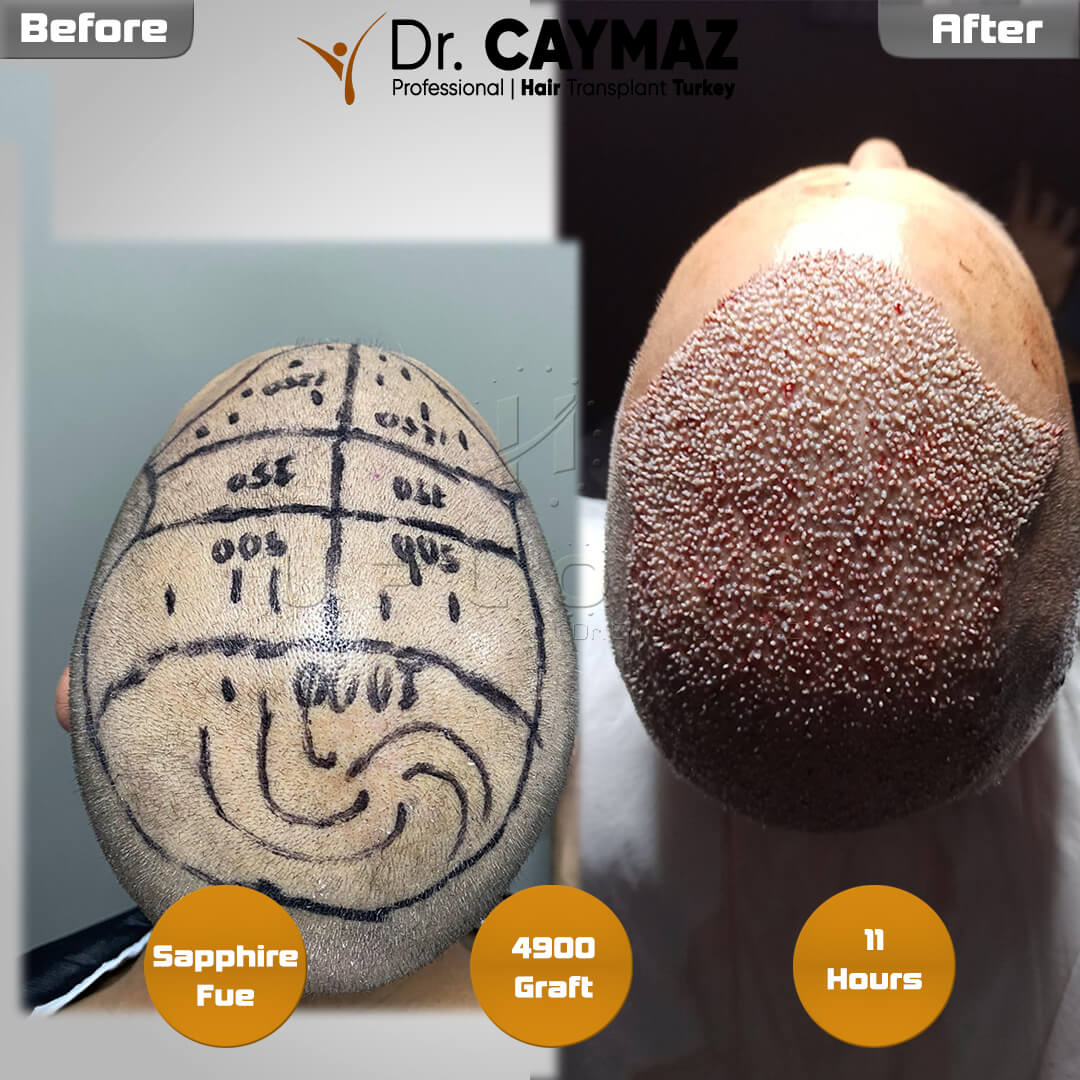
Why does this matter so much for a procedure that many people imagine as minor? Because a hair transplant is still surgery. It involves local anaesthesia across a large scalp area, hundreds to thousands of small incisions, and hours spent in one position. Blood pressure directly affects how much you bleed during those incisions, how clearly the surgical team can see the field, and how well tiny grafts settle into their new sites afterwards. If you’re planning a Sapphire FUE or DHI procedure at HU Clinic, your medical assessment starts well before the operating chair.
Why blood pressure affects a hair transplant specifically
Hair transplantation is performed under local anaesthesia, which is one of the reasons it’s safe for a broad range of patients. But local anaesthesia doesn’t switch off your circulatory system. Here’s the chain of clinical logic:
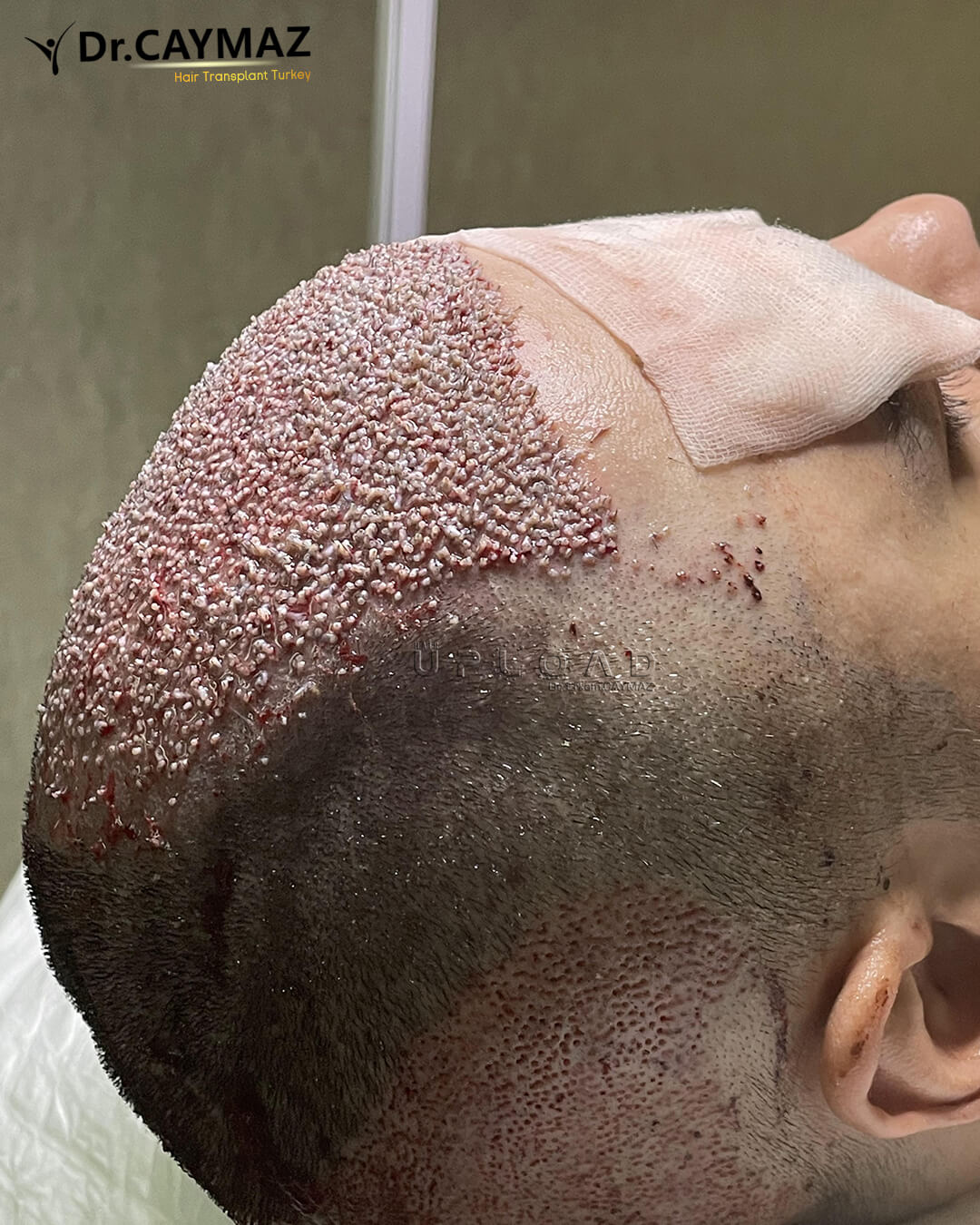
- Incisions open small vessels. Whether the recipient sites are made with a sapphire blade (Sapphire FUE) or a Choi implanter pen (DHI), each channel cuts through scalp tissue containing capillaries and small arterioles.
- Pressure drives bleeding. Higher arterial pressure means more blood exits those cut vessels, even though each individual bleed is tiny. Multiplied across 2,000–4,500 grafts, it adds up.
- Bleeding obscures the surgical field. Blood pooling in the recipient area makes it harder to place grafts at the correct angle and depth, which directly affects how natural the result looks.
- Bleeding and pressure can dislodge grafts. Excess ooze around a newly placed graft can pop it out or trap it in a clot, reducing survival.
- Epinephrine helps, but has limits. We add epinephrine to the local anaesthetic to constrict vessels and control bleeding, combined with gauze pressure and a paced workflow. This works well in a controlled patient. It is not a substitute for controlled blood pressure.
One note on technique choice: if you’re still learning about how donor hair is selected and moved, our donor area planning guide explains how grafts are harvested and why the back and sides of the scalp supply hair that resists miniaturisation. Donor planning and medical clearance are two separate gates, and both must be passed before surgery is scheduled.
Who needs a hypertension workup before surgery?
Not every patient needs an extensive cardiac evaluation. At Hair Upload Clinic, Dr. Erkam’s pre-operative medical assessment sorts patients into risk profiles during the online consultation phase, long before you fly to Istanbul.
Low concern: blood pressure well controlled on zero or one medication, stable readings at home, no other cardiovascular disease, under about age 60 with no additional risk factors. These patients usually proceed with standard screening.
Moderate concern: two or more antihypertensive medications, borderline readings, a recent medication change, or conditions like diabetes or arrhythmia alongside hypertension. These patients are asked for recent readings, a current medication list, and sometimes a physician’s letter or basic blood work.
Deferred: uncontrolled hypertension (typically sustained readings above roughly 160/100 mmHg), recent cardiac events such as a heart attack or stroke within the past six months, decompensated heart failure, or uncontrolled kidney disease. Surgery is postponed until the underlying condition is stabilised by the patient’s own physician. This is a safety decision, not a refusal: we reschedule once control is achieved.
Medication review: the step patients most often get wrong
The medication conversation matters as much as the number on the cuff. Several common drug classes interact with hair transplant surgery:
- Beta-blockers (e.g. bisoprolol, metoprolol): generally continued. Keep taking them.
- ACE inhibitors and ARBs (e.g. ramipril, losartan): some surgeons ask patients to hold the morning dose on surgery day because these can exaggerate intraoperative blood pressure swings. Never decide this yourself; follow your prescribing doctor and your surgeon’s joint instruction.
- Diuretics: continued in most cases, but they matter because they affect fluid balance during a long procedure.
- Blood thinners and antiplatelet drugs (aspirin, clopidogrel, warfarin, apixaban): these deserve their own review. Stopping them is a decision for the prescribing cardiologist, never for a hair clinic alone.
Bring your complete, current medication list: including supplements: to your consultation. Fish oil, high-dose vitamin E, and some herbal products also increase bleeding and should typically be paused a week or two before surgery if your physician agrees. Patients preparing for the full pre-operative process can read our before-and-after expectations overview to see how preparation connects to final density and healing.
Key comparison: blood pressure readings and surgical decisions
| Reading on surgery day | Clinical classification | Typical decision |
|---|---|---|
| Below 130/85 mmHg | Normal or well controlled | Proceed as planned |
| 130–139 / 85–89 mmHg | Controlled, borderline | Proceed; monitor with repeated readings during the day |
| 140–159 / 90–99 mmHg | Mildly elevated | Rest, re-measure after 30 minutes; often proceed if it settles, sometimes short delay |
| 160–179 / 100–109 mmHg | Uncontrolled stage 2 | Postpone; refer to physician for medication adjustment, reschedule |
| Above 180/110 mmHg | Severe elevation | Cancel surgery day; urgent medical review before any elective procedure |
Note that a single high reading is rarely the whole story. Travel fatigue, airport stress, coffee, and plain anxiety: very common in international patients on the morning of surgery: can inflate a reading by 10–20 points. That’s why we re-measure after rest, and why we ask for your home readings in the weeks before travel rather than relying on one number taken in clinic.
What happens on surgery day at the clinic
- Baseline measurement. Blood pressure and pulse are checked at check-in, before any medication or anaesthesia.
- Re-measurement after rest. If elevated, you’ll rest quietly for 20–30 minutes and be rechecked. Many travel-related spikes resolve here.
- Surgeon decision. Dr. Erkam decides whether to proceed, delay the start, or postpone, based on the trend of readings, not a single number.
- Monitoring during the procedure. Readings are repeated at intervals throughout the day. A Sapphire FUE case of 3,000+ grafts takes 6–8 hours; blood pressure doesn’t get checked once and forgotten.
- Paced workflow and meticulous bleeding control. Bleeding is managed exclusively with epinephrine in the local anaesthetic, gentle gauze pressure, and a carefully paced workflow during incisions. This approach safeguards tissue health and maximises graft survival.
- Post-operative instructions. You leave with written aftercare guidance, including when to resume any held medications and what symptoms warrant a call.
Risks of proceeding with uncontrolled hypertension
It’s worth being blunt about what uncontrolled blood pressure actually does to a hair transplant, because patients sometimes assume the risk is theoretical:
- Intraoperative bleeding: longer procedure, more swelling, poorer visibility for angle-precise implantation.
- Reduced graft survival. Clots and pressure changes around freshly placed grafts can compromise take. Our overall results show 90–95% success with up to 98% graft survival, and those numbers depend on proper patient selection, including blood pressure control.
- Post-operative swelling and haematoma: forehead and periorbital swelling is more pronounced and lasts longer.
- Cardiovascular events. Rare, but the reason the assessment exists. Hours of adrenaline-containing local anaesthetic in a hypertensive patient with hidden cardiac disease is not a combination any responsible surgeon accepts.
Aftercare timeline for hypertensive patients
Recovery after the procedure follows the standard timeline, with a few blood-pressure-specific additions:
| Timeframe | What to expect | Hypertension-specific advice |
|---|---|---|
| Days 1–3 | Scabbing, mild swelling, first wash | Resume any held medication exactly as instructed; avoid lifting and straining, which spike pressure |
| Days 4–10 | Swelling resolves, redness fades | Keep salt and alcohol moderate; both raise blood pressure and swelling |
| Weeks 2–6 | Shock loss of transplanted shafts, early healing | Normalise exercise gradually; intense training too early raises pressure and can aggravate shedding |
| Months 3–6 | New growth begins | Attend follow-up; report unusual pain or bleeding |
| Months 9–12 | Final density visible | Continue routine hypertension care with your own physician |
If you notice bleeding that doesn’t stop with gentle pressure after the first week, or severe pain and swelling, contact the clinic. For a fuller picture of the shedding phase that worries so many patients, see our article on shock loss after a hair transplant.
Practical notes for international patients travelling to Istanbul
Most of our patients fly in, and travel itself is a blood pressure variable. A few practical points:
- Send home readings before you fly. A week of morning and evening readings, logged and shared with Hair Upload Clinic, gives Dr. Erkam a baseline of your normal blood pressure, not just a snapshot influenced by travel stress.
- Stay hydrated, avoid excessive caffeine and alcohol. Dehydration and stimulants can temporarily elevate blood pressure.
- Prioritise sleep. A good night’s rest before surgery day is crucial for both your comfort and stable vital signs.
- Bring your medications. Ensure you have enough of all your prescribed medications, especially for blood pressure, to last your entire stay in Istanbul.
By taking these simple precautions, you can help ensure your blood pressure is stable and within a safe range for your hair transplant procedure at HU Clinic.
Medical Disclaimer: This information is for educational purposes only and does not constitute medical advice. Always consult with a qualified healthcare professional for diagnosis and treatment of any medical condition, and before making any decisions related to your health or medical care. The specific recommendations for managing hypertension before and during hair transplant surgery will be determined by Dr. Erkam based on your individual health profile.
Sources & Further Reading
- International Society of Hair Restoration Surgery (ISHRS) Patient Resources
- American Academy of Dermatology (AAD) – Hypertension and Skin
- Local Anaesthetics and Vasoconstrictors in Patients with Cardiovascular Disease: A Review of the Literature
Clinic insight: At Hair Upload, Dr. Erkam reviews donor reserve, hair calibre, and long-term hair-loss pattern before recommending FUE or DHI: the goal is a natural hairline, not maximum graft count in one session.
Frequently Asked Questions
What is the maximum blood pressure for a hair transplant?
While there isn’t a universal ‘maximum’ number, Hair Upload Clinic generally postpones surgery if your blood pressure is consistently above 160/100 mmHg on surgery day. This is a safety measure to minimise risks like bleeding and graft survival issues. Dr. Erkam makes the final decision based on your overall health and the trend of your readings.
Can I take my blood pressure medication on surgery day?
Yes, in most cases, you should continue your blood pressure medications as usual unless specifically instructed otherwise by your prescribing doctor or Dr. Erkam during your pre-operative consultation. Never stop any prescribed medication without medical advice. Some specific medications (like certain ACE inhibitors) might require a morning dose adjustment, but this will be clearly communicated.
What if my blood pressure spikes due to anxiety on surgery day?
It’s common for blood pressure to rise slightly due to travel stress or anxiety on surgery day. At HU Clinic, if your initial reading is high, we’ll ask you to rest quietly for 20-30 minutes and recheck it. Often, these temporary spikes resolve. Dr. Erkam assesses the trend and your overall health, not just a single reading, to decide if it’s safe to proceed.
Does local anaesthesia affect blood pressure?
Local anaesthesia used in hair transplants contains epinephrine, which is a vasoconstrictor that helps control bleeding. While it can cause a temporary, mild increase in heart rate or blood pressure in some individuals, its effects are generally well-managed in patients with controlled hypertension. Your vital signs are monitored throughout the procedure at Hair Upload Clinic.
How does Hair Upload Clinic manage blood pressure during surgery?
At HU Clinic, your blood pressure is checked at check-in and monitored at regular intervals throughout your procedure. Dr. Erkam ensures a paced workflow, and bleeding is controlled using epinephrine in the local anaesthetic and gentle gauze pressure, avoiding methods that could compromise tissue or graft health. This meticulous approach prioritises your safety and the success of your transplant.
Sources: ISHRS: International Society of Hair Restoration Surgery; American Academy of Dermatology: hair loss; PubMed: follicular unit extraction review; PubMed: hair restoration surgery outcomes.
Medical disclaimer: This page is for education only and does not replace a consultation with Dr. Erkam at Hair Upload Clinic (HUC). Individual assessment is required.
Written by : Marcus Holloway