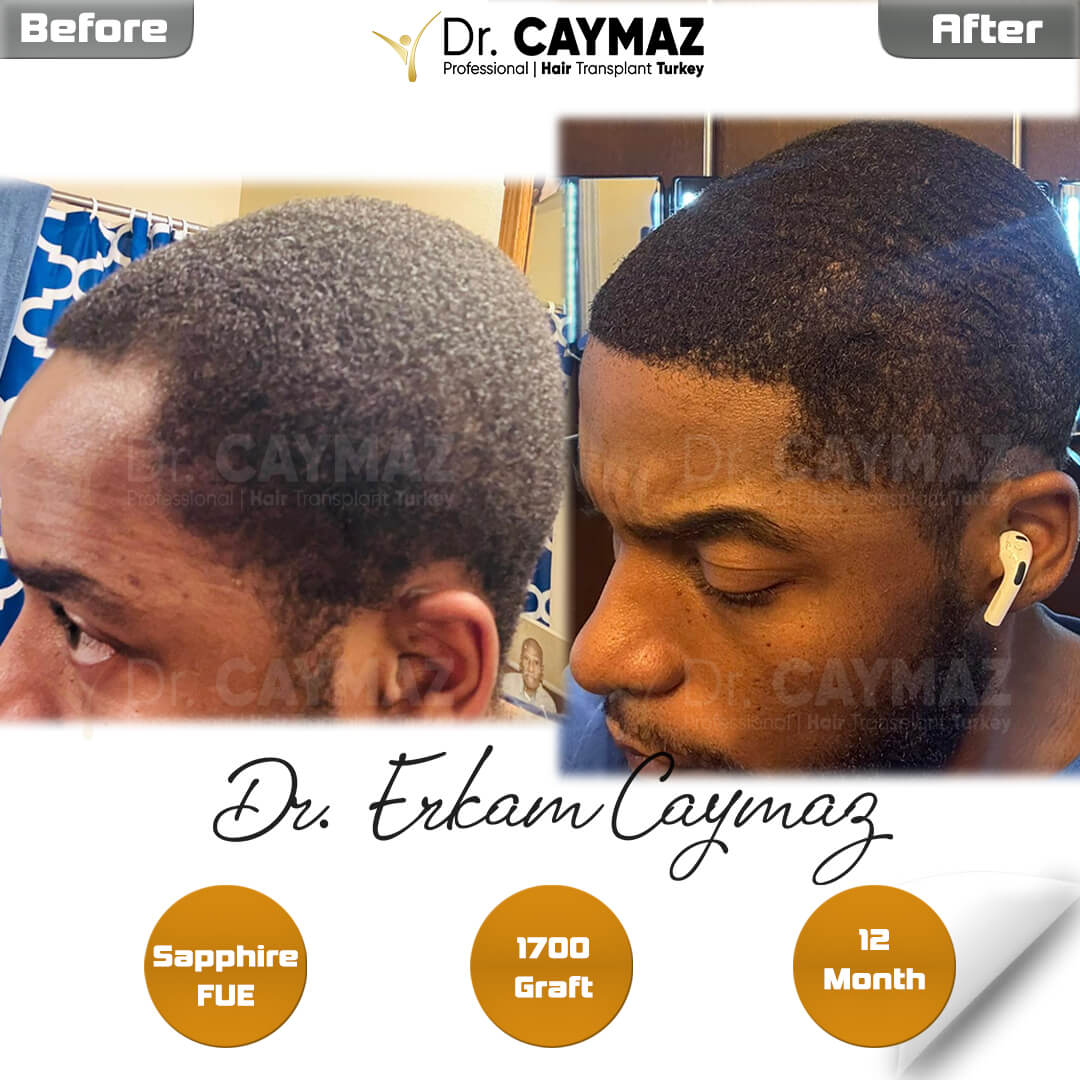
In which situations hair transplantation is not suitable? Can the hair be transplanted to anyone who wants it, or are there people who are not suitable? The answer is yes. Unfortunately, not every person who wants to have a hair transplant is suitable for this operation. First of all, we would like to clarify who can have a hair transplant.
Who Are Eligible For Hair Transplantation? Who Can’t Have Hair Transplantation?
For hair transplantation:
- The patients have genetic hair loss. To find out if there is a genetic predisposition, the doctor checks if there is hair loss in close relatives. Hair transplant operations performed very early may need to be repeated at later ages.
- The need for hair transplantation in the area was left empty due to any accident or wound.
- Hair transplantation can be performed in patients who have experienced hair loss for a long time and whose hair doesn’t come back.
- Having enough hair in the donor area at the nape of the neck for FUE hair transplantation. If there is not enough hair in the donor area or if the hair strands are too thin, your doctor may decide not to perform the operation.
In which situations hair transplantation is not suitable?
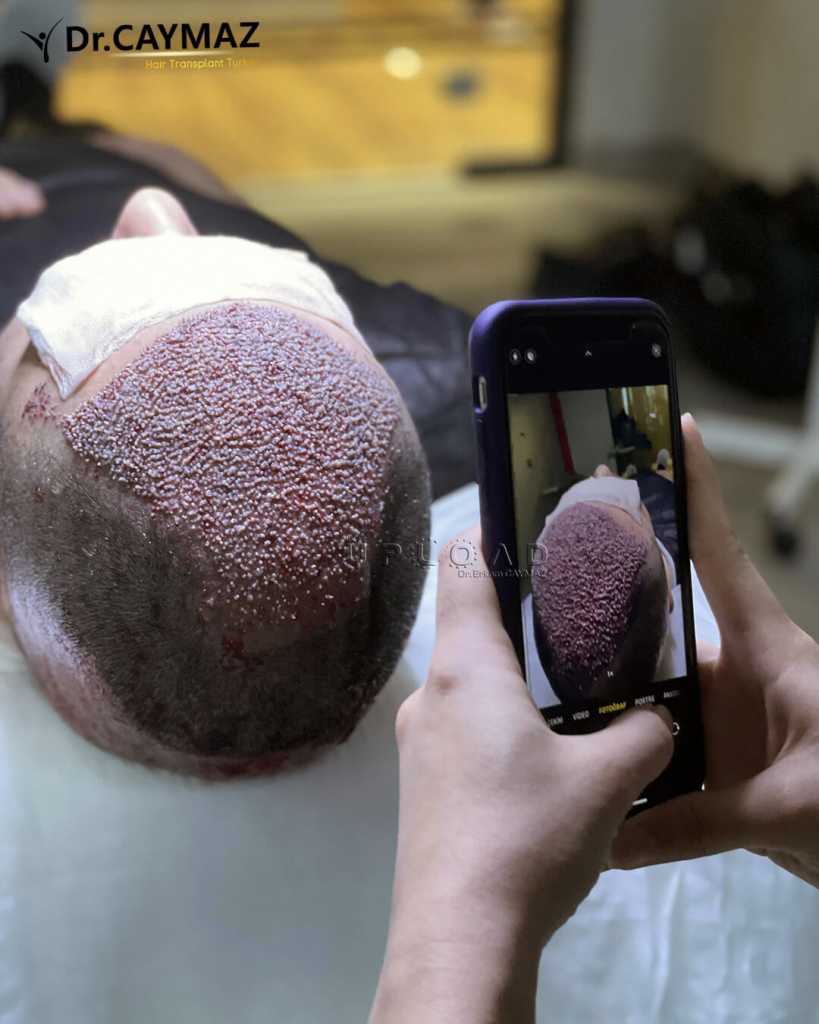
Hair transplantation is suitable for patients with irreversible hair loss. In the case of hair loss caused by hormones, doctors usually try medication first.
If hair loss is caused by a disease and medication is being treated, it would not be appropriate to have a hair transplant. Because in this case, the hair starts to grow again after the treatment is over.
Hair transplant is an option when other treatments have failed. In the case of hormone-induced hair loss in men, many doctors advise not to act too soon. The appropriate age for hair transplantation is recommended age of at least 28 to 35 years.
If hair loss is not genetic, the patient may not be suitable for hair transplantation. First of all, other reasons underlying the spill should be investigated.
Before hair transplant operations, a blood test is performed to determine whether pathogens can be transmitted with blood. If a person tests positive for hepatitis A, B, and C or HIV, most hair surgeons don’t want to have a hair transplant in these situations. In some clinics, the procedure is carried out under special protective measures. If the immune system is weakened by the HIV virus, bacteria and fungi can more easily settle on the scalp after the operation. The risk of developing inflammation increases. (But in our clinic we’re doing x2 cost for HIV, Hepatitis A,B,C)
Since hair transplantation causes micro-injuries in the scalp, there should be no coagulation disorder. Drugs that reduce the coagulation ability of the blood should be discontinued before the procedure.
As a general rule, if the donor hair area is less than 20 percent of the recipient area, a comprehensive hair transplant is not possible.
Below we explain to you in which situations hair transplant is not suitable. As a result, before you decide to have a hair transplant, you should have a detailed interview with your doctor and determine whether you’re suitable for a hair transplant.
Search: https://www.apotheken-umschau.de/therapie/therapiearten/haartransplantation-haarverpflanzung-744797.html
Related guides from Hair Upload Clinic:
Written by : Hair Upload - Hair Transplant Turkey - HU Clinic