Planning Hair Transplants for Fine Hair: What Your Surgeon Needs to Get Right
Fine hair transplants demand tighter surgical planning than coarse-hair cases. Because thin shafts cover less scalp per follicle, the surgeon has to safely pack grafts closer together, using techniques like Sapphire FUE, to create volume without compromising blood supply or depleting the donor zone.
- Graft survival rate: 93.1% at nine months post-op (2024 clinical data)
- Fine hair calibre: Hair shafts measuring below 60 micrometers (µm) in diameter
- Target implantation density: 50-70 follicular units per cm² in the recipient zone
What Counts as “Fine” Hair in Clinical Terms?
Hair calibre is measured in micrometers. Coarse hair runs above 80 µm, medium falls between 60-80 µm, and fine sits below 60 µm. That sounds like a minor difference, but the downstream effects are massive.
The coverage a hair provides is determined by its cross-sectional area, calculated as πr². A small increase in shaft radius produces an exponential jump in coverage. So a single coarse hair can block as much scalp light as two or three fine hairs. This is the core challenge when operating on fine-haired patients.
Fine hair lets more light reach the scalp. That reflected light is what makes an area look thin or bald. To counter it, the surgeon packs more follicular units closer together. But packing too tightly risks vascular compromise and tissue necrosis. It’s a razor-thin margin, and it requires someone who understands scalp vascularity at a granular level.
The colour contrast between hair and scalp compounds the problem. Dark fine hair on pale skin looks sparser than it actually is, making the surgical planning even more demanding.
How Hair Thickness Creates the Illusion of Density
A good transplant is fundamentally an optical trick. The human eye doesn’t count hairs, it registers whether light is being blocked or not. Blocked light reads as “full.” Visible scalp reads as “thin.”
Patients with coarse hair have a built-in advantage: a single thick shaft provides the same visual blockage as two or three fine ones. That means a coarse-haired patient might look dense with 3,000 grafts, while a fine-haired patient needs 4,500 for a comparable result.
This reality needs to be on the table during consultation. If the hair is exceptionally fine, absolute density might require a staged approach across multiple sessions. Trying to get everything done in one sitting can mean either overharvesting the donor area or packing the recipient zone so tightly that blood supply is compromised.
The strategic response: place multi-hair follicular units (2-4 hairs per unit) in the central core of the recipient zone for maximum volume. Reserve single-hair units exclusively for the anterior hairline where softness matters most.
Why Surgical Planning Is More Critical with Fine Hair
When we talk about the importance of planning in hair transplantation, fine-hair cases are where sloppy planning fails hardest. The margin for error is essentially zero.
Planning starts with mapping the Safe Donor Area (SDA), the occipital and parietal scalp where follicles are genetically DHT-resistant. In fine-haired patients, the follicular density in this zone has to be high enough to compensate for low shaft thickness. If donor density is low and the hair is fine, the patient may not be a realistic candidate for full restoration.
The math: calculate the total surface area of the balding region (cm²) and multiply by the target density. For fine hair, surgeons typically aim for 50-70 FU/cm², provided the patient’s vascular network can support it. A 2024 retrospective analysis (Jin et al., Journal of Cosmetic Dermatology) demonstrated a 93.1% graft survival rate when targeting these densities with advanced extraction techniques.
The surgeon also has to plan for future loss. Androgenetic alopecia is progressive. If you exhaust the donor supply in the first surgery, there’s nothing left if further thinning occurs five or ten years later. Conservative strategy isn’t timidity, it’s foresight.
How Donor Capacity Gets Assessed
The naked eye isn’t precise enough for donor evaluation. Board-certified specialists use digital trichoscopes, high-magnification cameras with software analysis, to examine the scalp at a microscopic level.
The primary metric is follicular unit density: how many FU per cm². A healthy donor area typically has 70-100 FU/cm². But the composition matters too, each unit can contain 1-4 individual hairs. For fine-haired patients, you want a high percentage of three- and four-hair units. Those multi-hair grafts do the heavy lifting for visual density in the mid-scalp and crown.
During assessment, the surgeon calculates “Calculated Density” by multiplying follicular units by average hairs per unit. If a patient has 80 FU/cm² with an average of 2.5 hairs per unit, that’s 200 hairs/cm². This ensures extraction stays within safe limits. Extracting more than 25-30% of available donor hair generally produces a moth-eaten appearance, a serious complication called donor overharvesting.
The Mathematics of Graft Distribution
The concept of “Hair Coverage Value” provides a quantifiable target: Coverage = Density × Calibre. When calibre is low (fine hair), density must compensate. The surgeon divides the balding scalp into distinct zones, frontal hairline, mid-scalp, and vertex (crown), then allocates grafts asymmetrically.
This isn’t guesswork. “Frontal Weighting” is the dominant strategy for fine-hair cases. The eye naturally focuses on the face and whatever frames it, the hairline. So the highest density (50-60 FU/cm²) goes into the anterior boundary and frontal tuft. Moving posteriorly, density tapers to 30-40 FU/cm² in the mid-scalp. The crown gets lowest priority when donor reserves are limited.
This distribution ensures a strong facial frame, which is the primary psychological driver for most patients seeking surgery. Spreading grafts evenly across a large area in a fine-haired patient produces a universally thin, transparent result that satisfies nobody.
How Sapphire FUE Helps Fine Hair Specifically
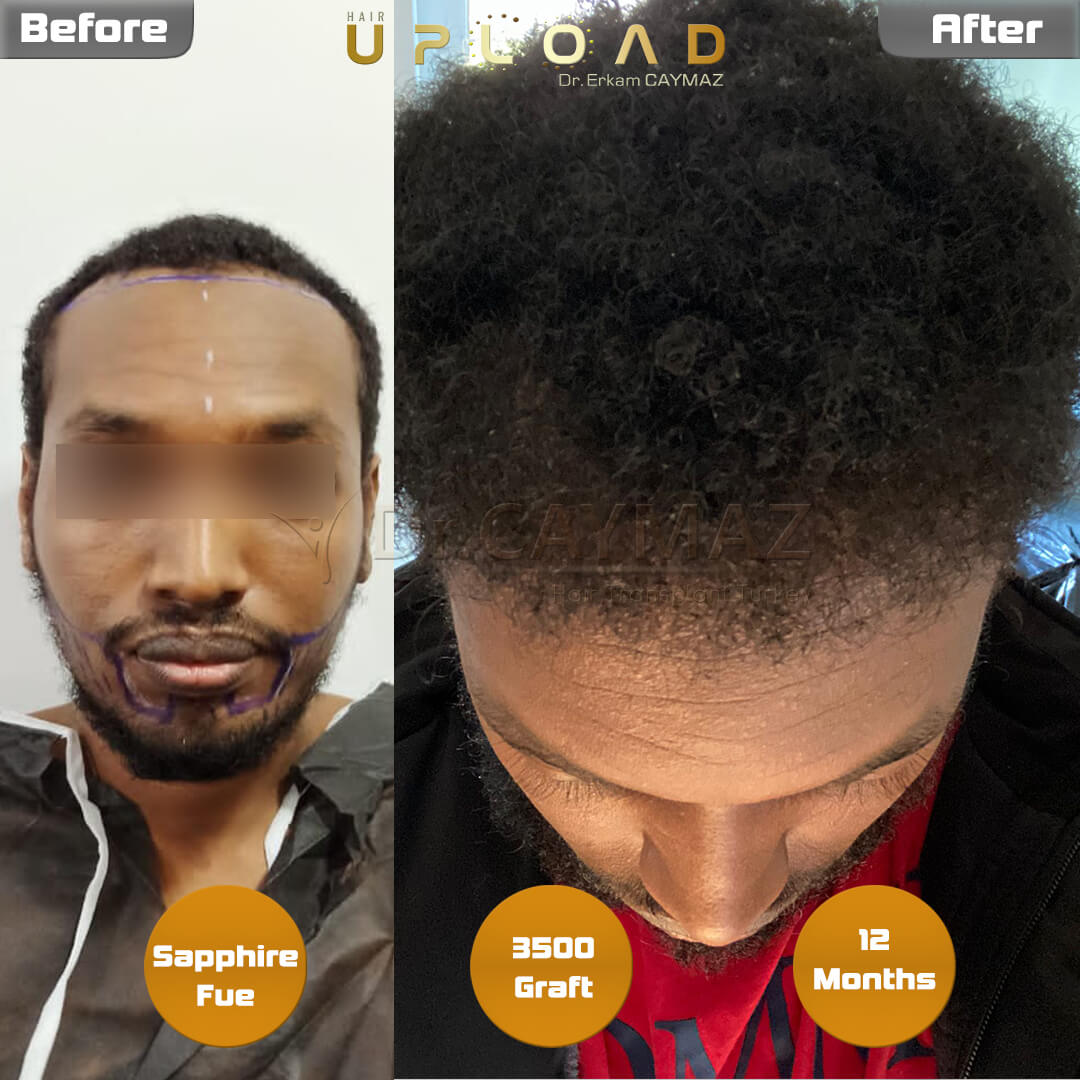
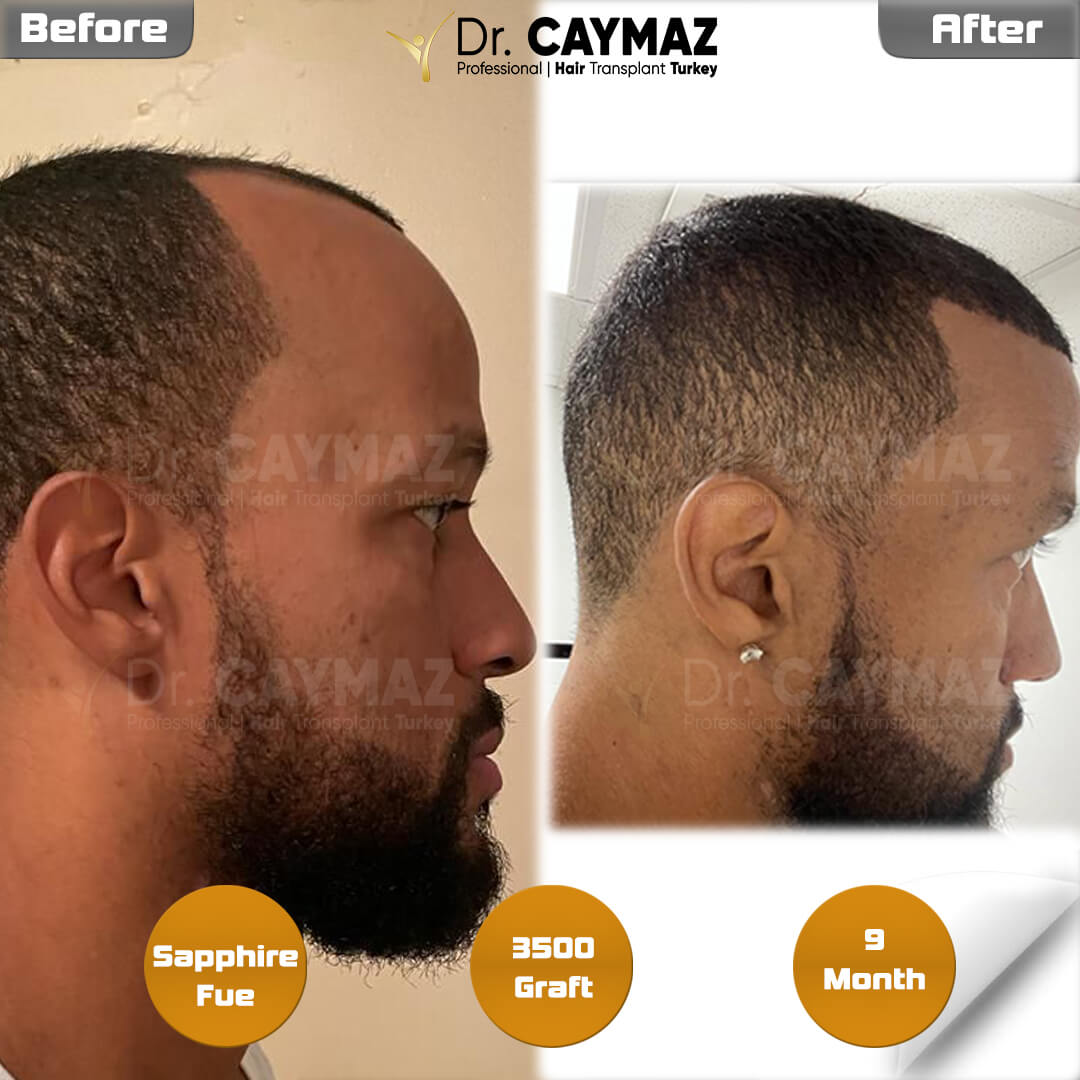
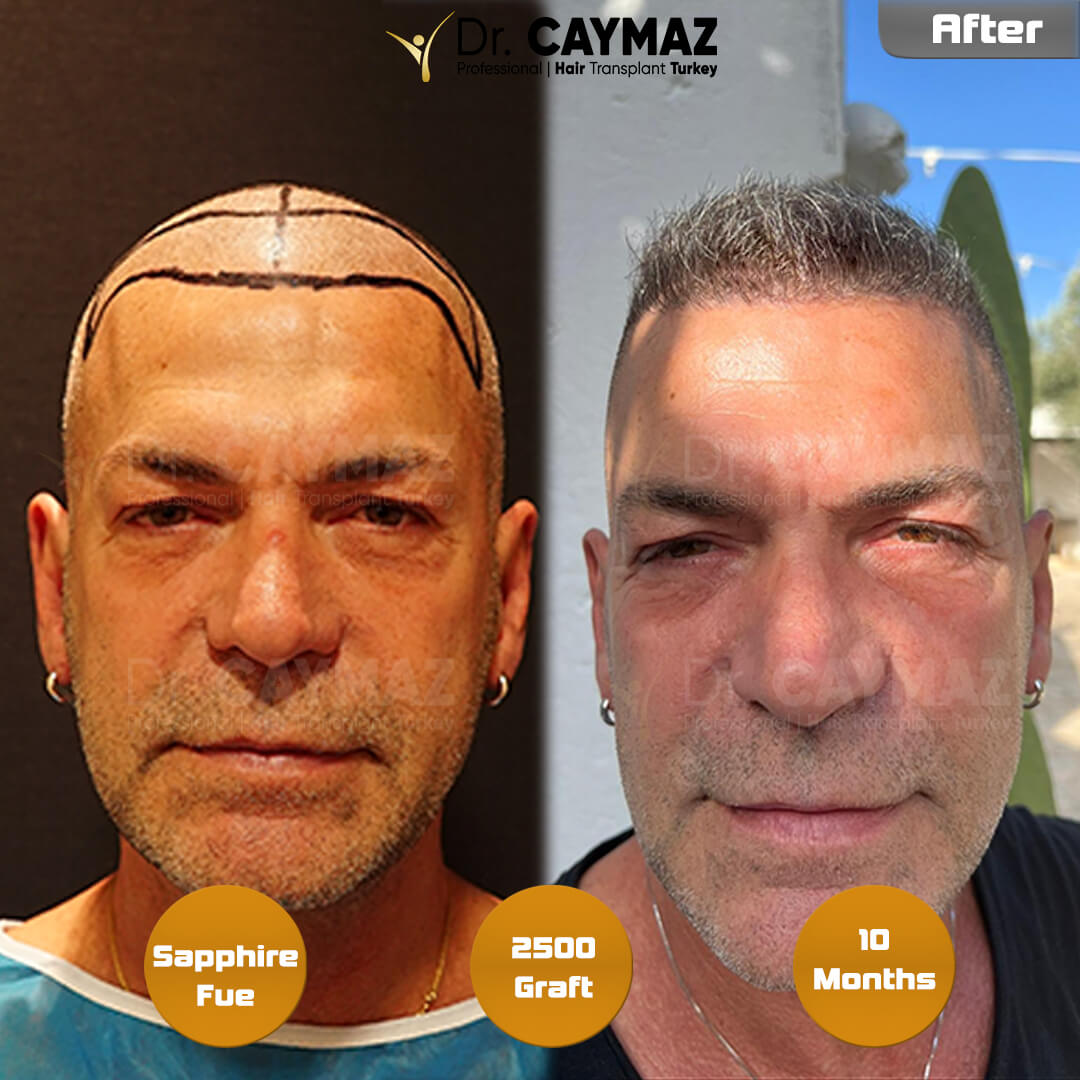
When fine hair demands high-density packing, Sapphire FUE is the technique that makes it physically possible without destroying tissue.
Standard stainless steel blades create U-shaped channels that require more space and cause more micro-trauma to the vascular network. Sapphire blades, engineered from single-crystal aluminium oxide (Al₂O₃), are different. They don’t dull during surgery. They cut a precise V-shape that matches the anatomy of the follicular unit.
Because the incisions are smaller and cleaner, the surgeon can safely create recipient sites much closer together without compromising blood supply. For fine hair, where high-density packing isn’t optional, it’s required, this is critical. The smooth sapphire surface also reduces tissue drag, which means less swelling, faster healing, and better graft alignment. Grafts fit snugly into V-shaped channels with less risk of popping or misalignment.
Premade Incisions vs. DHI: Which Works Better for Fine Hair?
Both fall under modern FUE. The mechanics differ, and each has trade-offs for fine-haired patients.
Premade incisions (Sapphire FUE): The surgeon extracts grafts, creates all recipient channels, then technicians insert grafts with micro-forceps. A 2025 multicenter study showed this approach offers faster implantation speed, reducing the time grafts spend outside the body.
DHI (Direct Hair Implantation): A Choi Implanter Pen simultaneously creates the channel and deposits the graft. For fine hair, DHI has a mechanical advantage: it minimises handling trauma. Fine follicles are fragile and prone to crush injuries from forceps. The Choi pen protects the follicle within its metal cannula during insertion. It also gives exceptional control over angle and direction, useful for natural layering.
The downside of DHI: it’s slower, more labour-intensive, and generally more expensive. The choice depends on your specific hair characteristics and the surgeon’s expertise with each method.
Building a Natural Hairline with Fine Grafts
The hairline is where a transplant gets judged. A bad one is immediately obvious; a good one is invisible.
Fine hair actually offers a slight hairline advantage, it’s naturally softer than coarse hair at the border. But the design principles remain strict. A hairline isn’t a straight line. It’s a staggered transition zone.
The surgeon starts by establishing the anterior boundary, typically 7-9cm above the glabella. This first row must be built exclusively with single-hair grafts. Multi-hair units in the front row create a harsh, pluggy look. Behind the first row, a “transition zone” of 1-2cm mixes singles with fine two-hair grafts, gradually building density. Micro-irregularities, deliberate peaks and valleys, mimic the randomness of natural growth.
Only beyond this transition does the surgeon place dense, multi-hair grafts in the “defined zone” for core volume. The delicate nature of fine hair makes the transition smoother, but demands precision in placement to ensure each single hair survives and grows at the correct angle.
Managing Angles and Directions
Angle (elevation from scalp) and direction (forward, backward, sideways) determine how transplanted hair behaves when it grows out. See our detailed breakdown of hair transplant angles and directions for the full picture.
For fine hair, angles matter even more. The strategy is a “shingling effect”, like roof shingles overlapping to block rain, hairs must overlap to block light. In the frontal hairline, hair is angled very acutely (15-30 degrees, pointing forward). Mid-scalp moves to 30-45 degrees. Temporal regions sweep sharply downward and backward, following the natural flow.
If the angle is too high (perpendicular), hair stands straight up, useless for coverage and obviously unnatural. If the direction is wrong, you get a chaotic result no styling product can fix. The surgeon has to constantly adjust blade angle across the scalp’s topography.
Can Fine Hair Restore the Crown?
The crown is called the “black hole” of transplantation for good reason. Hair there grows in a spiral whorl, radiating outward from a central point. Because hairs point away from each other rather than overlapping, the scalp shows through, especially with fine shafts.
Fine-haired patients are at a disadvantage here. The surgeon has to be cautious about allocating grafts to the crown when donor supply is limited. Often, it’s medically smarter to prioritise the frontal and mid-scalp regions and accept slightly less density in the crown.
To reconstruct the whorl, the surgeon recreates the spiral pattern, constantly shifting angle and direction. Implanting in straight lines through the crown is a catastrophic error.
Adjuvant medication helps here: oral finasteride or topical minoxidil can thicken native fine hairs in the crown, reducing the surgical graft count needed and improving overall perceived density.
How Beard Transplants Work with Varying Calibres
Facial hair restoration brings its own calibre challenges. For a full breakdown, see how the beard transplantation process works.
Beard hair is anatomically different from scalp hair, coarser, more elliptical in cross-section, and grows as single-hair units. When transplanting for a beard, the surgeon needs to find donor hair that’s as thick as possible. The primary source is the traditional occipital safe donor zone, though some patients can supply grafts from the submandibular region (under the jaw).
The critical technical point: facial hair exits at 10-15 degrees (almost flat). If grafts are implanted at a higher angle, the beard will grow straight out like bristles. Ultra-fine sapphire blades or DHI implanters are standard for beard work, they ensure flawless healing on the highly vascular facial skin.
Why Turkey Leads for Complex Cases
Understanding why Turkey is preferred for hair transplants goes beyond cost. It’s about case volume and the expertise that volume produces.
Turkish surgical teams perform thousands of procedures annually. For complex cases, extremely fine hair, advanced Norwood stages, revision work from failed surgeries, that accumulated experience is the most valuable asset a patient can buy. Top clinics operate within JCI-accredited hospitals with strict sterilisation, safety, and ethics standards.
These clinics routinely use sapphire FUE, digital trichoscopy, and hyperbaric oxygen therapy to support graft survival. The all-inclusive package model (transfers, accommodation, post-op care teams) means patients are monitored through the early healing days, reducing complication risk significantly.
Robotic FUE: Where It Helps and Where It Doesn’t
Robotic systems like ARTAS use AI and stereoscopic optical sensors to map the donor area in real time. The robot identifies angle, direction, and depth of each follicular unit, then extracts using a dual-punch mechanism, a sharp inner punch to score the epidermis and a dull outer punch to dissect surrounding tissue.
A 2024 comparative study (Zhu et al.) evaluated robotic vs. manual FUE. The robot offers unparalleled consistency, eliminating the fatigue variable during 8-hour procedures. For fine hair, where every graft is precious and transection must be minimised, this consistency matters.
However, highly skilled human surgeons sometimes achieve slightly higher total yields (90.03% for manual FUE in the same study). And the robot currently struggles with tightly curled or extremely fine unpigmented hair. In those cases, the surgeon switches seamlessly to manual or motorised extraction.
Post-Operative Therapies That Support Graft Take
Surgery creates the foundation. Post-operative biochemistry determines whether grafts thrive.
When a follicular unit is extracted, it enters an ischemic cascade, temporary oxygen loss that depletes cellular ATP. Once implanted, the graft relies on rapid angiogenesis (new blood vessel formation) to survive.
PRP (Platelet-Rich Plasma): Routinely injected into the recipient site after surgery. PRP contains concentrated growth factors (VEGF, PDGF) from the patient’s own blood, accelerating tissue repair and stimulating dormant follicles.
Finasteride: Blocks testosterone-to-DHT conversion, protecting native hair from further miniaturisation. Non-negotiable for fine-haired patients whose existing hair is already vulnerable.
Minoxidil: Vasodilator that increases scalp blood flow and prolongs the growth phase of the hair cycle.
The combination of surgical precision and these medical therapies pushes survival rates above 90%, helping fine hair reach its maximum potential thickness and density.
What Goes Wrong with Poor Planning
When inexperienced operators ignore hair calibre and biological limits, the results can be devastating:
- Donor overharvesting: Taking too many grafts from a fine-haired patient to cover a large area leaves the donor zone permanently scarred and visibly thin. Virtually impossible to repair.
- Recipient necrosis: Packing channels too close together destroys the scalp’s microvascular network. Tissue is starved of oxygen, dies, turns black, leaving a permanent, hairless scar. Fine-haired patients face higher risk here when surgeons chase density without assessing vascular health.
- Unnatural hairline: Placing multi-hair grafts in the anterior boundary or failing angle control. Immediately obvious and hard to fix.
A 2023 study in the Journal of Cosmetic Dermatology detailed how necrosis occurs when incision density exceeds the vascular network’s capacity. Prevention means choosing a surgeon who understands the math of graft distribution and the biological limits of tissue perfusion.
AI-Driven Trichoscopy: What It Adds
AI has transformed pre-operative measurement. Where surgeons once manually counted hairs on a magnified screen, tedious and error-prone, AI software now analyses microscopic scalp images in milliseconds.
A 2025 study in the Journal of Clinical Medicine showed that AI algorithms can accurately differentiate terminal hairs (thick, healthy) from vellus hairs (miniaturised, fine) and provide exact micrometer measurements of shaft thickness across different zones.
For fine-haired patients, this data is critical. If the AI shows an average donor calibre of 45 µm, the surgeon immediately knows higher graft counts and specific distribution models will be needed. AI also enables precise post-operative tracking, follow-up scans at 6 and 12 months objectively measure survival rate and growth thickness, validating both the procedure and any adjuvant therapies.
Female Pattern Hair Loss: Different Rules Entirely
Women’s hair loss rarely mirrors men’s. Female Pattern Hair Loss (FPHL) typically involves diffuse thinning across the entire mid-scalp and crown, not distinct bald patches, while the frontal hairline is often maintained.
The primary challenge: finding a stable, DHT-resistant donor zone. In many women, thinning affects the occipital donor area too, which can disqualify them from surgery entirely.
A 2024 retrospective study established that surgery is strongly recommended when Hair Density (HD) is ≤96.17 hairs/cm², above that threshold, Scalp Micropigmentation (SMP) might be preferable.
When a female patient is a candidate, surgery is more delicate. Most women don’t want to shave their heads, so surgeons perform “Non-Shaven FUE”, extracting and implanting through existing long hair. Shock loss risk is significantly higher in women, the trauma of surgery can cause native fine hairs to temporarily shed. To mitigate this, surgeons use ultra-fine instruments and make incisions parallel to existing follicles, avoiding transection of native roots.
The Ischemic Cascade: Why Timing Matters
The moment a follicle is severed from blood supply, a biological clock starts. Without oxygen and glucose, cells can’t produce ATP through normal respiration. They switch to anaerobic metabolism, lactic acid accumulates, intracellular pH drops.
If this isn’t managed aggressively, cells undergo apoptosis and the graft fails. That’s why elite clinics control the physical environment of extracted grafts with obsessive precision.
Immediately after extraction: submersion in chilled (≈4°C) holding solutions, HypoThermosol or ATP-enriched fluid. Hypothermia slows metabolic rate drastically, putting cells into suspended animation. This protects fragile fine-hair follicles from ischemic injury.
The team has to work in sync, extraction to implantation typically stays under 4-6 hours to maintain the 90%+ survival rates modern clinics target.
What Recovery Looks Like
Days 1-7: Focused on graft security and healing. Micro-scabs at recipient sites. Possible edema that may travel down to the forehead and eyes. Sleep elevated. Follow washing protocols exactly. Don’t dislodge grafts.
Weeks 3-6: Shock loss. The hardest phase psychologically. Transplanted fine hairs shed, the shaft detaches, not the root. Patients often think the transplant has failed. It hasn’t. The follicular stem cells are anchored beneath the skin and will produce new growth.
Months 3-4: New permanent growth begins breaking through. Initially thin, unpigmented, vellus-like. This is temporary.
Months 12-18: Final result. Shafts have matured, thickened, darkened. The definitive outcome of a fine-hair transplant isn’t assessed until at least 12 months post-op, sometimes 18.
Long-Term Reality for Fine-Haired Patients
A transplant is a surgical redistribution of existing hair, not a cure for androgenetic alopecia. The transplanted follicles (from the DHT-resistant zone) will grow for life. But native hair surrounding those zones remains vulnerable to miniaturisation.
If you stop medication post-surgery, native hair can recede behind the transplanted hairline, creating an unnatural “island.” Continuous medical management isn’t optional for fine-haired patients, it’s part of the deal.
As patients age, all hair calibre decreases slightly (senescent alopecia). A good surgeon leaves a portion of the donor area untouched during the first procedure, a reserve bank for a possible second session ten or fifteen years later. That foresight is what separates thorough planning from short-term thinking.
Frequently Asked Questions
Can I get a dense result if my hair is extremely fine?
Yes, but it requires a highly specific approach. The surgeon uses Sapphire FUE to implant grafts at higher densities (50-70 FU/cm²) than would be needed for coarse hair. Multi-hair follicular units go in the core zones, singles on the hairline, and medical therapy post-surgery maximises visual volume. Multiple sessions may be needed for the densest possible outcome.
Why is the Sapphire blade better for fine hair than steel?
Sapphire blades (synthetic aluminium oxide) hold a microscopic V-shaped edge that doesn’t dull during surgery. The V-shape creates smaller, cleaner incisions than the U-shaped cut of steel blades. For fine hair, where grafts must be packed closely, smaller incisions mean less tissue trauma, preserved blood supply, and higher safe packing densities without necrosis risk.
Will my transplanted fine hair eventually become thicker?
The transplanted hair retains its donor-area genetics. If the donor hair is fine, it’ll grow fine in the recipient area. However, during months 4-8, new hairs appear exceptionally thin and vellus-like. By month 12-18, they mature and reach their full intrinsic calibre. Minoxidil can help push that calibre to its maximum.
Is DHI or Sapphire FUE better for a receding hairline?
Both are effective. Sapphire FUE excels at maximum density over larger areas due to premade incision precision. DHI (Choi Implanter Pen) is exceptional for protecting fragile fine follicles during insertion and gives meticulous angle control hair by hair. Best choice depends on your anatomy and the surgeon’s expertise.
Why do I need medication after a successful transplant?
A transplant moves DHT-resistant hair to balding areas, but doesn’t stop genetic progression in your native, non-transplanted hair. Finasteride blocks DHT production, protecting existing hair from miniaturising. Without it, native hair keeps thinning, potentially leaving transplanted hair looking isolated over time.
Conclusion
Operating on fine hair is one of the more demanding scenarios in this field. The shafts cover less ground per follicle, the margin for error is thinner, and the long-term plan has to account for progressive loss. The surgeon needs solid math on graft distribution, advanced instrumentation (sapphire or DHI), and the discipline to leave donor reserves for the future.
When it’s done well, strategic frontal weighting, precise angulation, careful preservation protocols, and medical support post-surgery, fine-haired patients achieve results that read as natural and age gracefully. The key is working with someone who understands that fine hair isn’t a limitation to fight. It’s a variable to plan around.
References
Long-hair follicular unit excision enhances the cosmetic results of hairline restoration: A retrospective study in Chinese recipients (Jin et al., Journal of Cosmetic Dermatology, 2024)
A Comparative Study on the Application of Robotic Hair Restoration Technology Versus Traditional Follicular Unit Excision in Male Androgenetic Alopecia (Zhu et al., Journal of Cosmetic Dermatology, 2024)
Hair transplantation versus scalp micropigmentation: A retrospective study of treatment selection in persons with female pattern hair loss (Journal of Cosmetic Dermatology, 2024)
Patient Perspectives regarding Artificial Intelligence-Driven Trichoscopy for Alopecia Evaluation (Skin Appendage Disorders, 2025)
Dr. Erkam: “The most common mistake I see with fine-hair patients is chasing crown density at the expense of the frontal hairline. Fine hair requires a masterclass in illusion. Prioritise the frontal third with high-density sapphire packing and treat the crown medically. That gives the patient a strong facial frame that permanently changes their profile, rather than spreading limited fine grafts too thin across the entire scalp.”
Medical Disclaimer: This content is educational and doesn’t constitute medical advice, diagnosis, or treatment. Always consult a qualified healthcare provider with questions regarding a medical condition.
Related guides from Hair Upload:
Written by : Priya Sharma