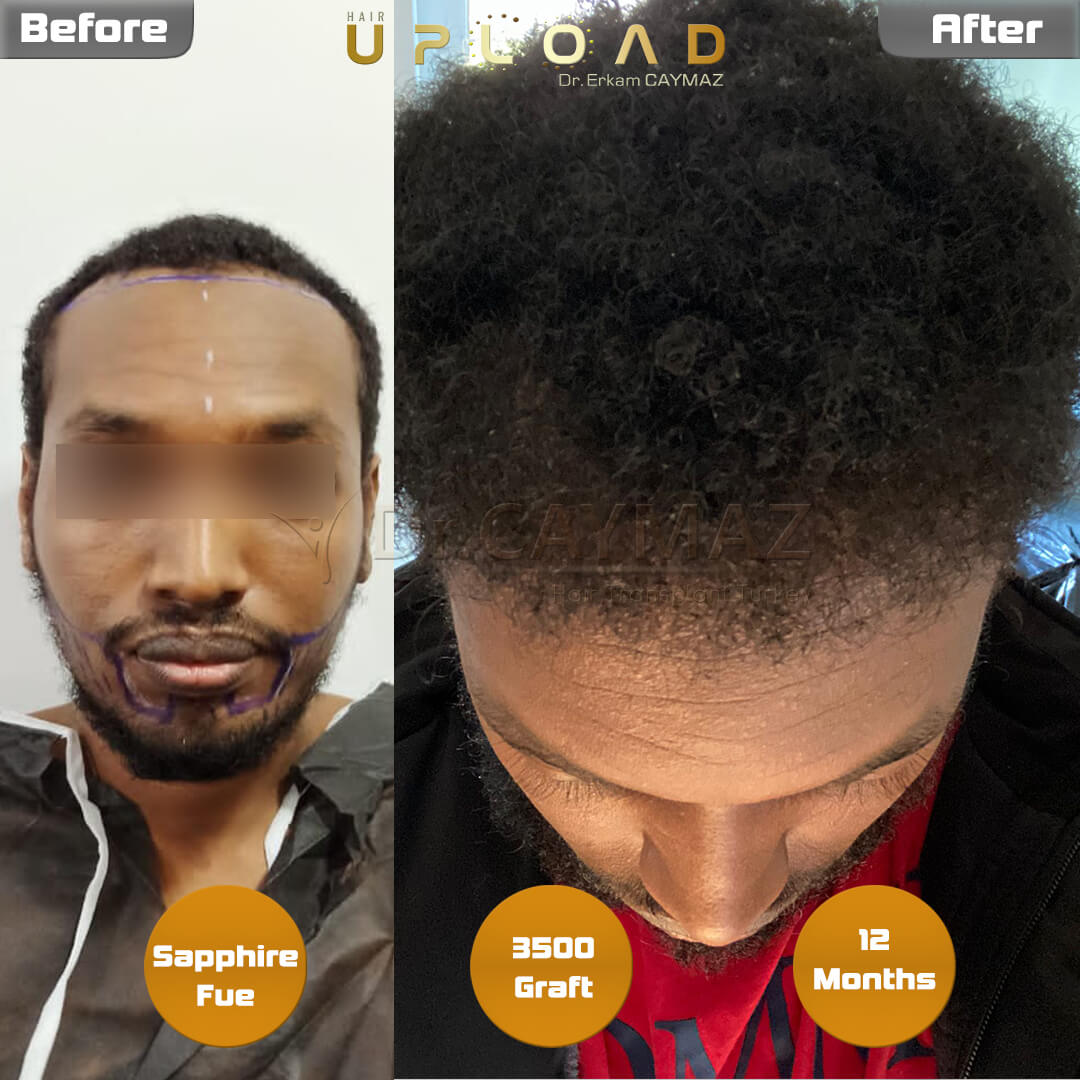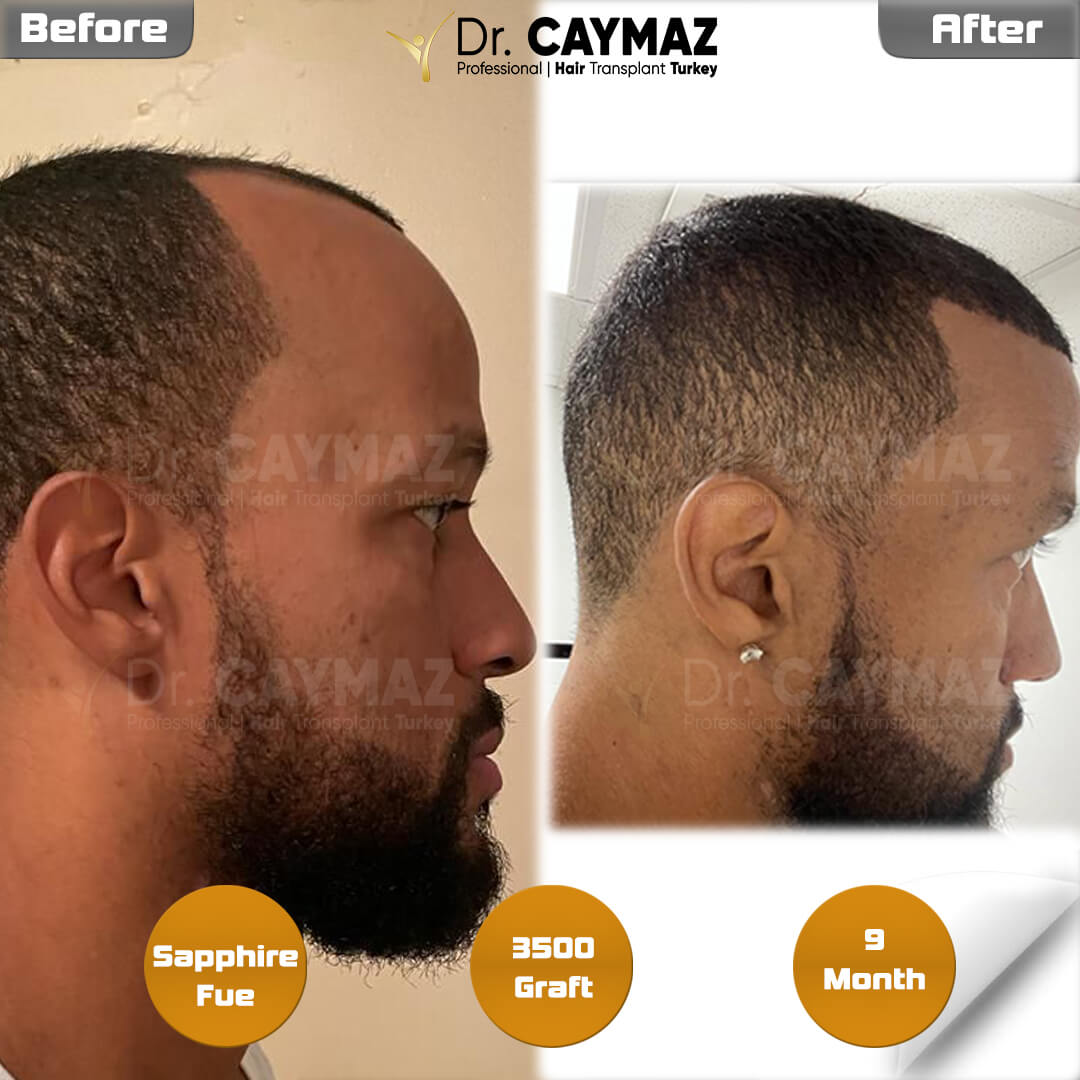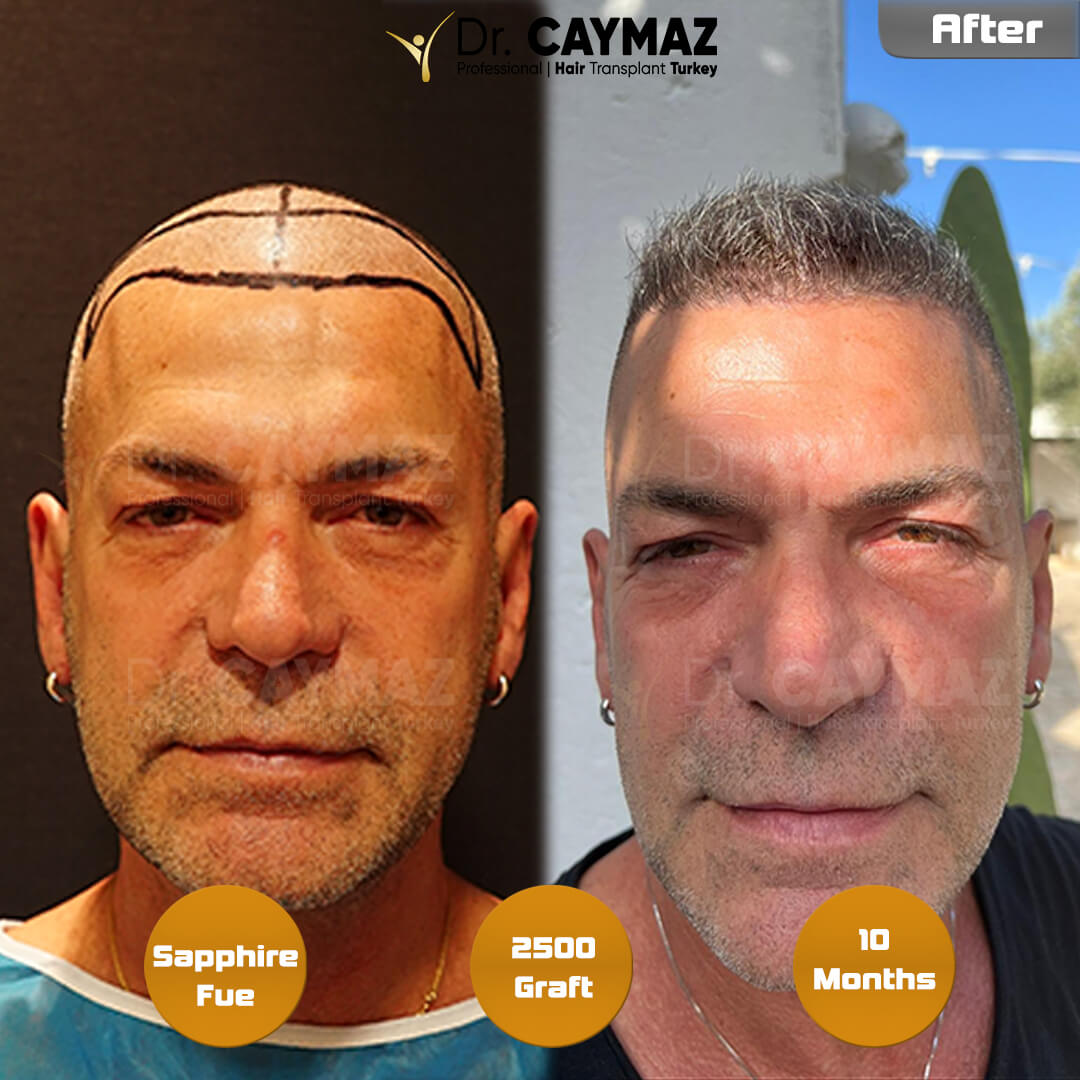
Hair transplantation is an extremely safe procedure when performed under the supervision of a doctor, in reputable facilities, and with the assistance of a specialized team. However, there are rules that must be followed in order to ensure complete safety in hair transplantation. Below we’ve covered two potential risks that can occur when hair transplantation is not performed under proper conditions.
What is Necrosis?
While rare, potential risks after a hair transplant include necrosis and infection. Necrosis, or tissue death, can occur if blood supply is compromised, while infections are usually bacterial. At HU Clinic, we prioritise meticulous surgical technique and strict hygiene protocols to significantly minimise these risks, ensuring a safer recovery for our patients.
Clinic insight: At Hair Upload Clinic in Istanbul, Dr. Erkam meticulously plans each procedure to ensure optimal blood supply and sterile conditions, significantly reducing the likelihood of complications like necrosis and infection.
Necrosis is the least common but most dangerous of the hair transplant complications. One or more cells are irreversibly damaged in this condition. Necrosis causes tissue to die pathologically, resulting in inanimate tissue. Adrenaline can be injected into the donor or transplant area to cause blood vessels to constrict, thus reducing blood flow when heavy bleeding occurs. Adrenaline can kill tissues and cause necrosis if it is injected without being mixed with isotonic or used in large amounts, even when mixed with isotonic. This mistake, which can be made by non-experts in hair transplantation, has very serious consequences for the patient.
Causes of Necrosis
Long-term baldness, diabetes, and smoking are patient-related causes of necrosis. Misuse of the recipient area, excessive use of epinephrine, transplanting too many hair follicles at once, and placing the hair follicles too close together are the causes of necrosis due to the technique of hair transplantation.
What Is Good for Necrosis?
Using repair lotion helps to accelerate the repair process in the damaged application area after hair transplantation. It helps to moisturize, repair, and accelerate the restructuring process of damaged skin. By providing intense moisture to the skin, it helps to reduce flaking and excessive skin dryness and to eliminate itching and redness problems.
Infection After Hair Transplant
Hair transplantation is a surgical procedure that leaves open wounds on the body. As a result, the surface of the head becomes more susceptible to infections following the procedure. The risk of infection following a hair transplant operation is extremely low due to technological advancements in surgical techniques. However, the risk of infection is high in hair transplantation procedures performed under medically insufficient conditions.
If There Is an Infection, Will the Hair Follicles Die?
It dies if the infection spreads to the hair follicles. If the infection spreads to a large area, the hair follicles in that area may die.
The skin is injured at thousands of points during hair transplantation, both in the transplant area and outside the transplant area, resulting in a hole at thousands of points where microbes can enter. Since the scalp has a very good blood supply, it is not very common for germs to enter and cause an infection and spread this infection. But when it does, the results can be disastrous. As a result, sterility should be prioritized during the planting process, and precautions should be taken to avoid infection while cleaning up after planting.
Infection Treatment After Hair Transplantation
Local infections can occur in the donor and hair transplant areas at times. After hair transplantation, there is a risk of crusting and infection. It is necessary to remove this crust with a special shampoo after hair transplantation. Antibiotic creams should be applied three to four times per day. If inflammation occurs following hair transplantation, antibiotic treatment should be initiated.
How to Prevent Infection After Hair Transplantation?
For prevention, antibiotics are typically started after the operation. However, while the antibiotic partially protects it, it doesn’t provide complete protection. After washing, a solution containing a harmless moisturizer with a germ-killing effect and a mild shampoo with a germ-killing effect should be preferred as much as possible for a more effective measure.
Moisturizing gels, rather than skin moisturizers, should be preferred for this purpose because they have a better moisturizing and germ-killing effect. Because humidifiers don’t kill germs, they can mix with blood and create an environment conducive to microbe reproduction.
Why is Donor Area Cleaning Important?
The donor area is where the hair follicles are collected. Unfortunately, it is ignored following hair transplantation, and little information about its care is provided. In fact, there is a hole where the graft is taken, which is the source of the infection. As a result, the donor area should be cleaned with care, and the products used in the planting area should also be used here.
Related guides from Hair Upload Clinic:
- Top hair transplant clinics worldwide
- Hairline design for men and women
- Best donor areas for hair transplant
- Shock loss after transplant: what is normal
Frequently Asked Questions
What are the common signs of infection after a hair transplant?
Signs of infection often include persistent redness, swelling, increased pain, warmth, pus, or fever. It’s crucial to contact your clinic immediately if you experience any of these symptoms.
How rare is necrosis after a hair transplant?
Necrosis is an extremely rare complication in hair transplantation, especially when performed by an experienced surgeon following proper protocols. It typically affects less than 0.1% of cases.
What steps does Hair Upload Clinic take to prevent complications like infection and necrosis?
At Hair Upload Clinic, we adhere to stringent sterilisation protocols, use meticulous surgical techniques to preserve blood supply, and provide clear post-operative care instructions, including prophylactic antibiotics, to minimise risks.
Can I reduce my risk of complications at home after my hair transplant?
Absolutely. Following all post-operative instructions precisely, maintaining strict hygiene, avoiding smoking and alcohol, and protecting the treated area are vital steps you can take to support a smooth recovery.
Is necrosis always a serious complication?
Yes, even minor necrosis is a serious concern as it involves tissue death and can impact the aesthetic outcome. Prompt medical attention is essential for any suspected case to manage the condition and minimise potential long-term effects.
Sources: ISHRS patient resources.
Medical disclaimer: This page is for education only and does not replace a consultation with Dr. Erkam at Hair Upload Clinic (HUC). Individual assessment is required.
Ensuring Safety at Hair Upload Clinic
At Hair Upload Clinic in Istanbul, Dr. Erkam meticulously plans each procedure to ensure optimal blood supply and sterile conditions, significantly reducing the likelihood of complications like necrosis and infection. Our commitment to patient safety and excellent outcomes drives our adherence to the highest clinical standards.
Written by : Elena Vasquez