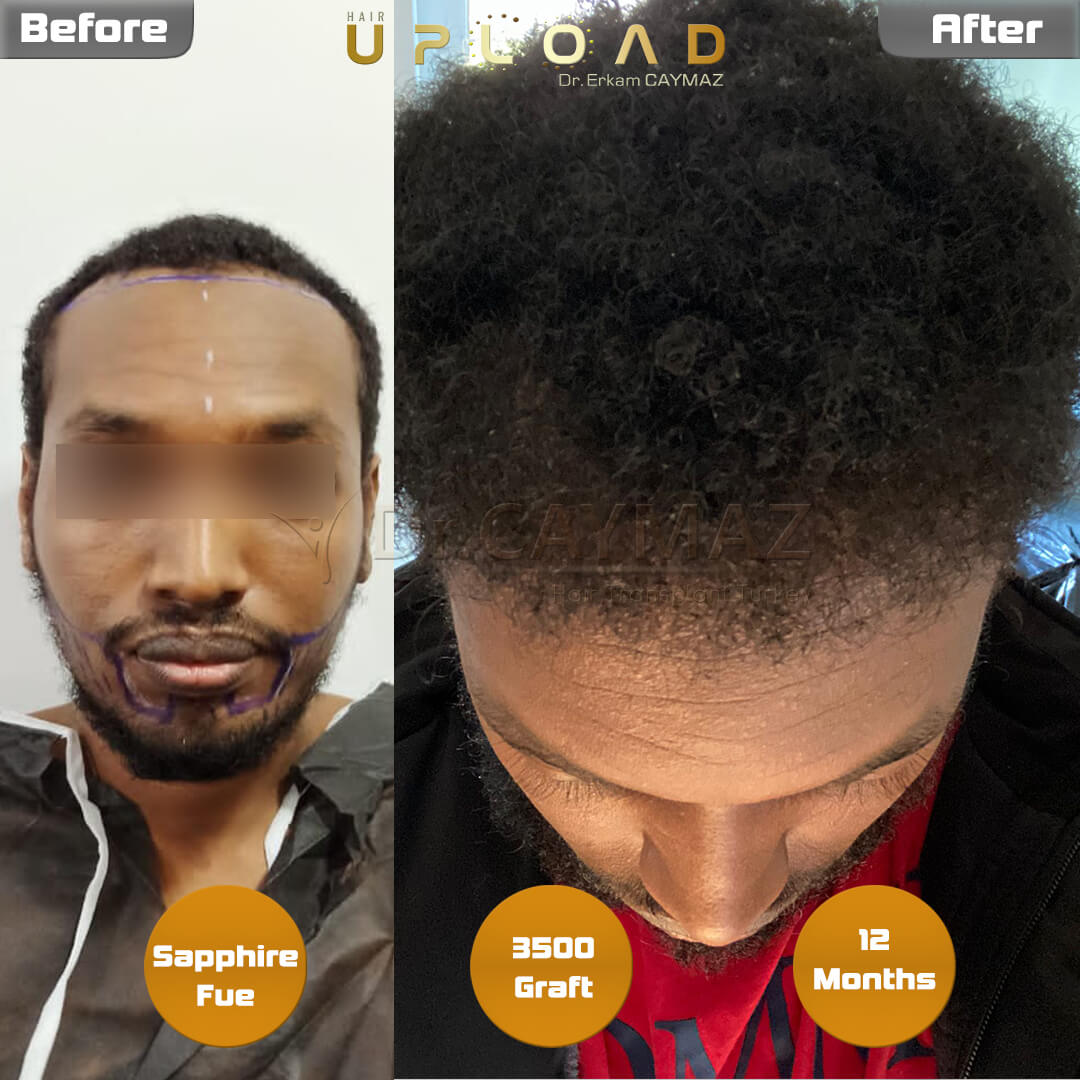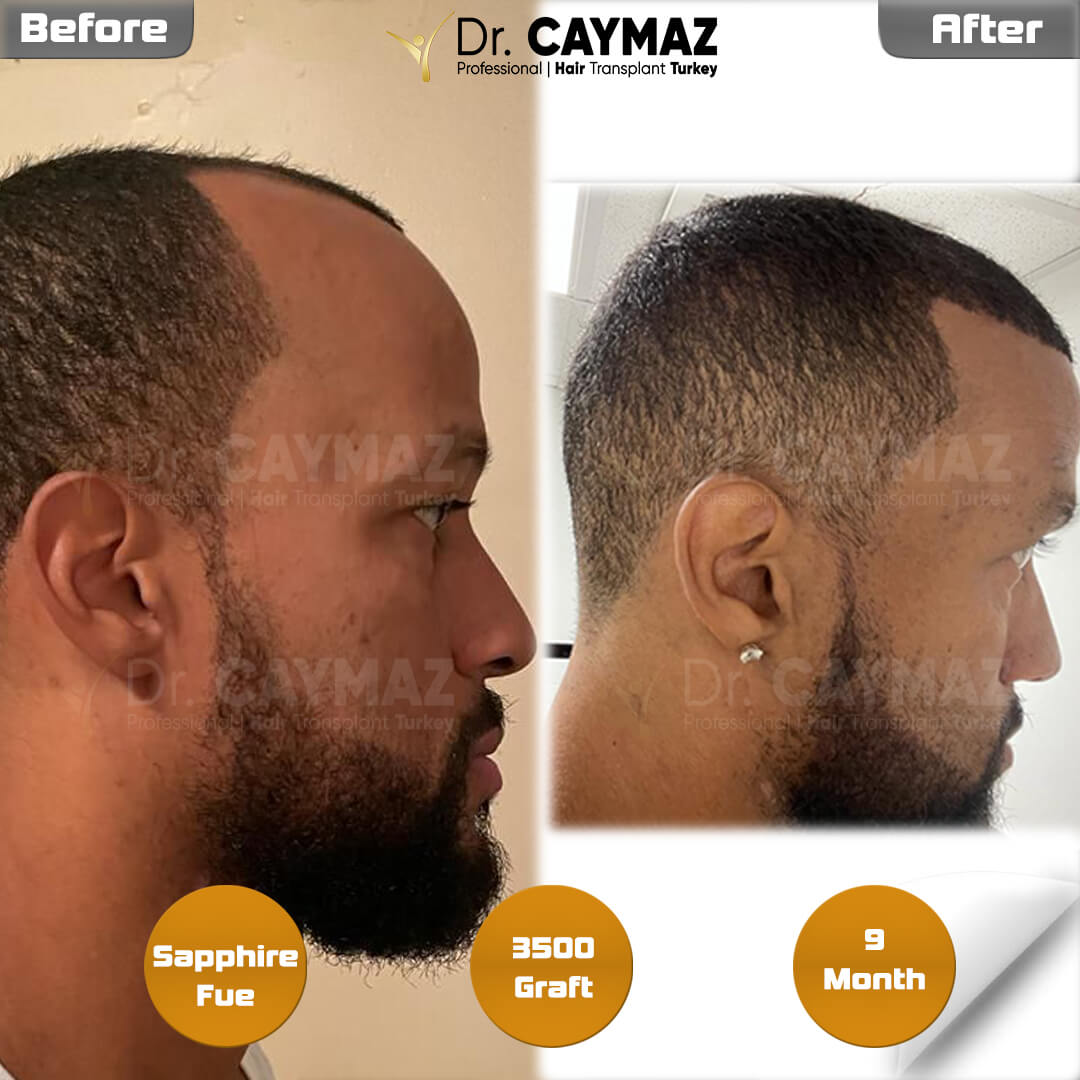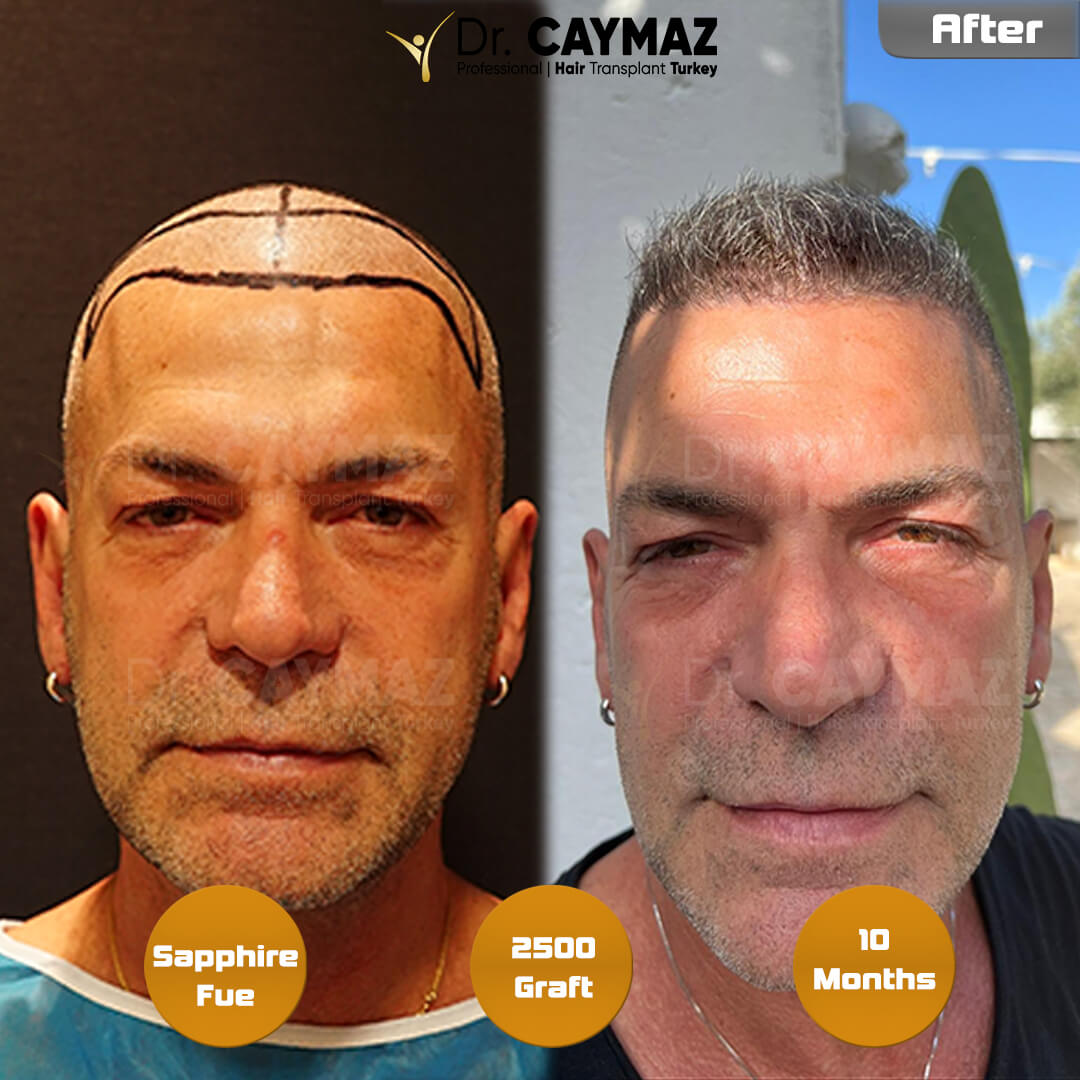
The medical world has changed so much over the years that many types of hair transplantation have become more readily available. In some countries, they can even be done by a general practitioner who is not an ophthalmologist. There are also more options for the patient to choose from these days.
The 2 Important Types Of Hair Transplantation
The two types of hair transplantation are FUT (strip harvesting) and FUE (individual follicular extraction). FUE, including Sapphire FUE, is now the standard choice at Hair Upload (HU) in Istanbul because it avoids a linear scar and shortens recovery. The best option for you depends on donor quality, hair loss pattern, and future planning with your surgeon.
Clinic insight: At HU Clinic Istanbul, owner-surgeon Dr. Erkam personally plans each case and generally prefers Sapphire FUE for its precise channel control, reserving DHI for selected unshaven or density-focused cases rather than promising one universal winner.
Generally, there are two commonly used hair transplantation methods: Follicular unit transplantation (FUT) and follicular unit extraction (FUE), though both methods can work. FUT is a more invasive type of hair replacement, but we’re not using FUT.
Hair transplantation is used for a variety of reasons. It is often done for people who have lost a lot of hair due to cancer or meningitis. Sometimes it is done to replace missing hair on the head or scalp because of burns or accident. In addition, it is sometimes done to change the texture and color of hair that has been thinning over time.

Hair transplant surgery can be done under the skin or through a small incision in the back of the head. This surgical method is often referred to as “in situ”. Patients who have had this surgery often return to work quickly and easily. They usually don’t feel much discomfort after the procedure, which makes it easier for them to return to their normal lifestyle. The patient usually returns to his or her usual activities after four weeks or so, depending on the patient’s preference.
Requirements For Hair Transplantation Surgery

Hair Transplantation
There are a few things to consider before getting a hair transplant surgery. You’ll need to find a qualified doctor. They should be certified and have extensive experience in performing hair replacement procedures. They will also be able to give you all of the information and instructions that you need to get your hair transplant surgery completed safely.
Before the hair is actually transplanted, the donor’s hair is usually placed into the area that is being treated. This donor’s hair is then surgically harvested and placed on top of the hair loss area where the surgeon thinks the patient might need more hair. If the patient’s donor hair doesn’t provide enough hair, he or she can try using synthetic hair. If the synthetic hair doesn’t hold up or doesn’t look natural, then it can be removed and the donor hair grafted onto the head.
For the hair graft itself, this surgery is a relatively simple process. The surgeon can use one or more types of grafting machine to create the new hair and it is typically covered with the patient’s own hair. The new hair will grow without the patient having to do much.
In general, hair transplant surgery is a relatively simple and straightforward process that is successful most of the time. It has become more popular because of its benefits.
Most people who have bald spots are not happy about their situation. For some, they have lost a great deal of confidence due to the condition of their hair loss. Others have lost a lot of hair due to various medical conditions, such as cancer. Whatever the reason for their hair loss, people have started to turn to different ways to reverse the condition.
Hair transplants can help with both types of hair loss. They will often make your scalp look healthier and younger. It can also replace the hair that was lost through losing a great deal of hair. due to chemotherapy, which is a common problem for many women. During chemotherapy treatments, a patient may have to lose their entire hair.

The doctor will typically tell you what type of surgical hair transplant you would have to go through. The doctor will help you choose a treatment plan that is best for you based on your particular case. You should always keep in mind that this is only a one-time event procedure, so you want to choose the doctor carefully.
It is important to know that a medical hair transplant is a very affordable option, but it does come with some risks. In addition, there are many medical issues that can affect the outcome of the procedure.
Related guides from Hair Upload Clinic:
- Top hair transplant clinics worldwide
- Hairline design for men and women
- Best donor areas for hair transplant
- Shock loss after transplant: what is normal
Frequently Asked Questions
What are the two main types of hair transplantation?
The two main types are FUT (follicular unit transplantation), which removes a thin strip of scalp, and FUE (follicular unit extraction), which harvests individual follicles. Most patients today choose FUE or its variants, such as Sapphire FUE.
Which is better, FUT or FUE?
Neither is universally better. FUE avoids a linear scar and allows shorter hair after recovery, while FUT can harvest a large number of grafts quickly in a single session. Surgeon skill, donor area quality, and your hair loss pattern decide the right technique.
Does FUE leave a scar?
FUE leaves tiny dot-like scars, each under a millimetre, that are hard to detect once surrounding hair grows. It does not leave the linear scar associated with FUT strip surgery.
How long does recovery take after FUE?
Most patients return to desk work within 2 to 3 days. Scabs usually clear within 10 to 14 days, and transplanted hair sheds in the first weeks before regrowth begins around 3 to 4 months.
What is the success rate of hair transplantation?
At Hair Upload Clinic, overall success is 90 to 95 percent, with graft survival of up to 98 percent. No clinic can honestly guarantee a 100 percent outcome.
Is hair transplant surgery painful?
The procedure is done under local anaesthesia, so you feel little beyond mild pressure and the brief sting of the numbing injections. Discomfort after surgery is usually manageable with standard pain relief.
Sources: ISHRS patient resources.
Medical disclaimer: This page is for education only and does not replace a consultation with Dr. Erkam at Hair Upload Clinic (HUC). Individual assessment is required.
FUT vs FUE at a Glance
| Factor | FUT (Strip) | FUE / Sapphire FUE |
|---|---|---|
| Harvesting | Thin strip of scalp removed and dissected | Individual follicular units extracted with a punch |
| Scar | Linear scar, hidden by longer hair | Tiny dot scars, hard to detect |
| Back to work | 7 to 10 days | 2 to 3 days |
| Shaving | Partial | Usually full shave (unshaven DHI possible in selected cases) |
| Grafts per session | High in one session | High, with less donor trauma |
| Best suited for | Extensive loss, good scalp laxity | Most patterns, short hairstyles, active lifestyles |
At Hair Upload Clinic in Istanbul, Dr. Erkam performs the consultation, hairline design, and recipient-site incisions himself, while his expert technicians handle graft extraction and placement under his direct supervision. With only one or two VIP operations per day, the team can pace the workflow carefully, which supports graft survival of up to 98 percent and overall success of 90 to 95 percent. If you are comparing techniques, book an assessment so Dr. Erkam can evaluate your donor area and recommend the approach that fits your case, not a one-size-fits-all package.
Medical disclaimer: This article is for educational purposes only and does not replace a personal medical consultation. Individual assessment by a qualified physician is required before any surgical decision.
Written by : Marcus Holloway