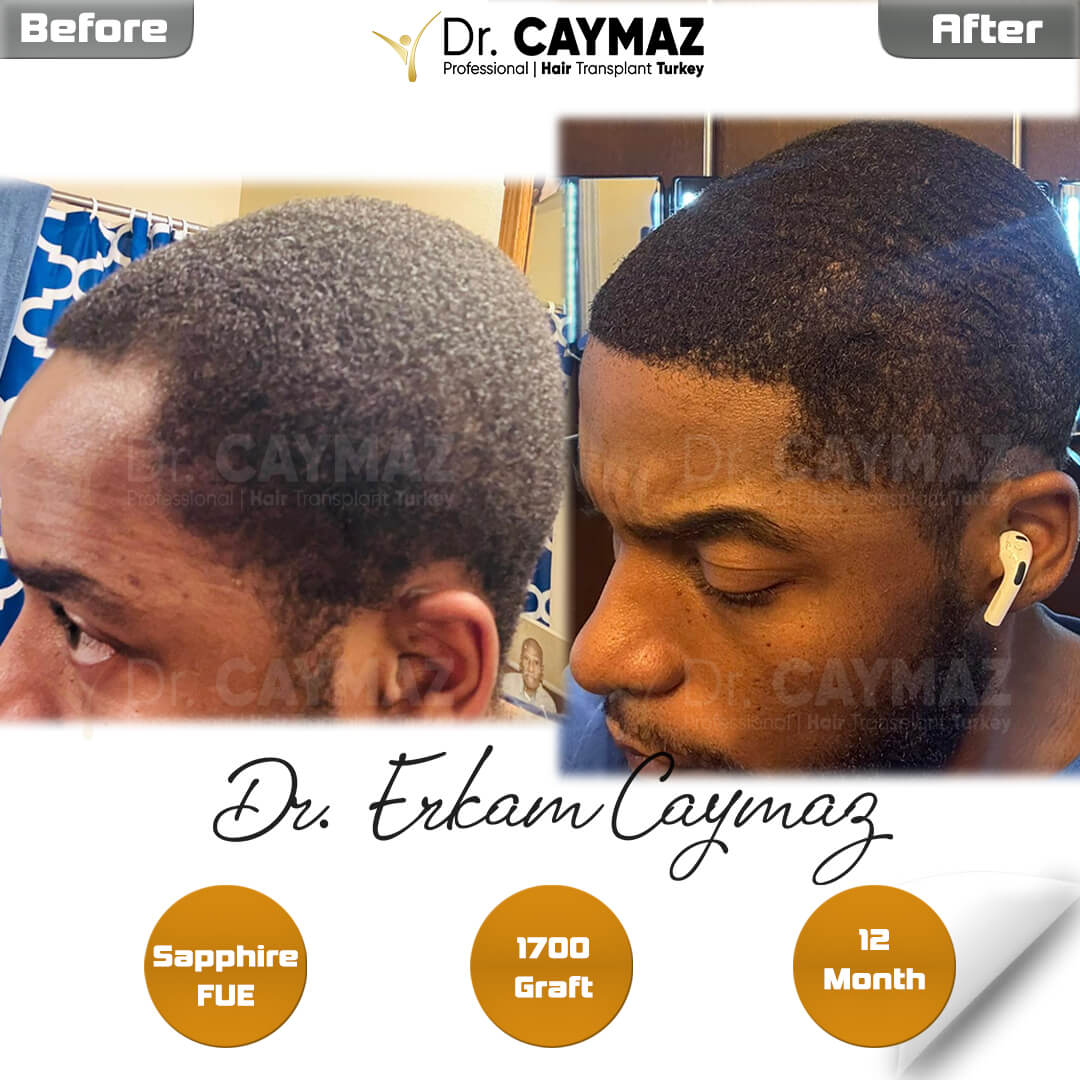
Hair loss is a common phenomenon that can affect individuals at any stage of life. This complex problem is caused by a variety of factors that often work together. Let’s explore the major contributors to hair loss:
Genetics: A predisposition to thinning hair
Genetic predisposition helps with hair loss. If your family history includes cases of hair thinning, you may be at higher risk. Genetic susceptibility to dihydrotestosterone (DHT), a hormone associated with hair follicle shrinkage, is a key player in both male and female pattern baldness.
Hormonal Imbalances: Unraveling the Effects
Hormonal imbalances can trigger hair loss. Conditions such as polycystic ovary syndrome (PCOS) and thyroid disorders can disrupt hormonal harmony, leading to hair thinning. Managing these imbalances is essential to maintaining hair health.
Stress: The Silent Aggressor
Chronic stress can disrupt the hair growth cycle, forcing more follicles into the resting phase and causing excessive shedding. Stress-related hair loss, known as telogen effluvium, highlights the detailed mind-body connection.

Nutritional Deficiencies: Fueling Healthy Hair
A diet lacking essential nutrients like protein, iron, and vitamins can compromise hair health. Biotin, in particular, is known for its role in maintaining strong hair strands. Ensuring a balanced diet is crucial in preventing nutrient-related hair loss.
Medical Conditions: The Underlying Culprits
Certain medical conditions, such as alopecia areata and lupus, are directly linked to hair loss. Treating the underlying condition often results in improved hair health.
Age and Hormones: A Natural Evolution
As we age, hormonal changes can lead to hair thinning. Also, the hair growth cycle naturally slows down, resulting in reduced hair density over time.
Environmental Factors: Shielding Your Strands
Exposure to environmental pollutants, UV radiation, and harsh weather can weaken hair. Taking measures to protect your hair from external stressors is essential.
Hairstyling Habits: Impact on Hair Health
Tight hairstyles and excessive heat styling can lead to hair breakage. Gentle hair care practices, like avoiding tight ponytails and minimizing heat exposure, can promote healthier hair.
Gender Differences: Recognizing Varied Patterns
Hair loss patterns differ between genders. Men often experience receding hairlines and bald spots, while women may encounter diffuse thinning. Understanding these differences aids in tailored treatment approaches.
Cautionary Approaches: Hair Loss Treatment
Numerous hair loss treatments are available, but cautious consideration is crucial. Consult with medical professionals to explore effective and safe options matched to your goals.
Navigating Hair Loss: Your Path Forward
In the journey to combat hair loss, knowledge is your greatest asset. At [Your Company Name], we’re committed to equipping you with the information needed to take control of your hair health. Remember, understanding the multifaceted causes of hair loss is the first step toward effective prevention and treatment.
FAQs: Addressing Your Concerns
1. How does hair loss impact one’s life?
- Hair loss can have significant emotional and psychological effects. It’s important to address these concerns alongside treatment.
2. Are medical or surgical treatments effective for hair loss?
- Medical treatments, such as minoxidil and finasteride, can help slow hair loss and promote regrowth. Surgical options like hair transplantation are also viable solutions.
3. What role does genetics play in hair loss?
- Genetics can predispose individuals to hair loss. Understanding your family history can provide insights into your risk.
4. Can stress worsen hair loss?
- Chronic stress can contribute to hair loss, exacerbating existing conditions. Stress management techniques can help mitigate this effect.
5. How can I support hair health through nutrition?
- Consuming a balanced diet rich in nutrients like protein, vitamins, and minerals is essential for healthy hair growth.
6. Can women experience male pattern baldness?
- While less common, women can experience female pattern baldness, characterized by diffuse thinning across the scalp.
7. What treatments are available for hair loss?
- Treatments range from over-the-counter medications to prescription drugs and surgical procedures. Consult a professional for personalized advice.
8. Are there natural remedies for hair loss?
- Some natural remedies, like using essential oils and scalp massages, may promote hair health, but their efficacy varies.
9. Can hair loss be reversed completely?
- Depending on the cause and timing of intervention, some hair loss can be reversed or slowed. Early action is key.
10. How can I choose the right treatment approach? – Consult a medical professional who specializes in hair loss. They can recommend the most suitable treatment based on your specific condition.
11. What’s the significance of hair care routines? – Adopting a gentle hair care routine, avoiding excessive heat and tension, can contribute to minimizing hair loss.
12. Can medication cause hair loss? – Some medications can lead to hair loss as a side effect. Discuss any concerns with your healthcare provider.
Our mission is to provide you with comprehensive guidance on understanding and addressing hair loss. Consult us for customized solutions tailored to your unique needs.
Related guides from Hair Upload Clinic:
Written by : Hair Upload - Hair Transplant Turkey - HU Clinic