The whole world continues to progress rapidly in the field of health. This brings competition such that Artas hair transplant robot can be used. What is a hair transplant robot in this article?
We’ll give you information about what it does and its advantages and disadvantages. It is a technology prepared to make hair more comfortable and error-free.
However, although it seems like robotics and cutting-edge technology, it has some shortcomings. With the extraction of hair follicles, collection, and transplantation of grafts, the robot continues with the procedure.
How Does the Hair Transplant Robot Work?
The ARTAS hair transplant robot is a physician-assisted system that automates follicular unit extraction using image-guided robotics. It can speed up graft harvesting, but it works only on straight dark hair, shaves the whole donor area, and cannot plan hairlines or implant grafts. At HU Clinic Istanbul, Dr. Erkam keeps robot-level precision with surgeon-led planning and Sapphire FUE.
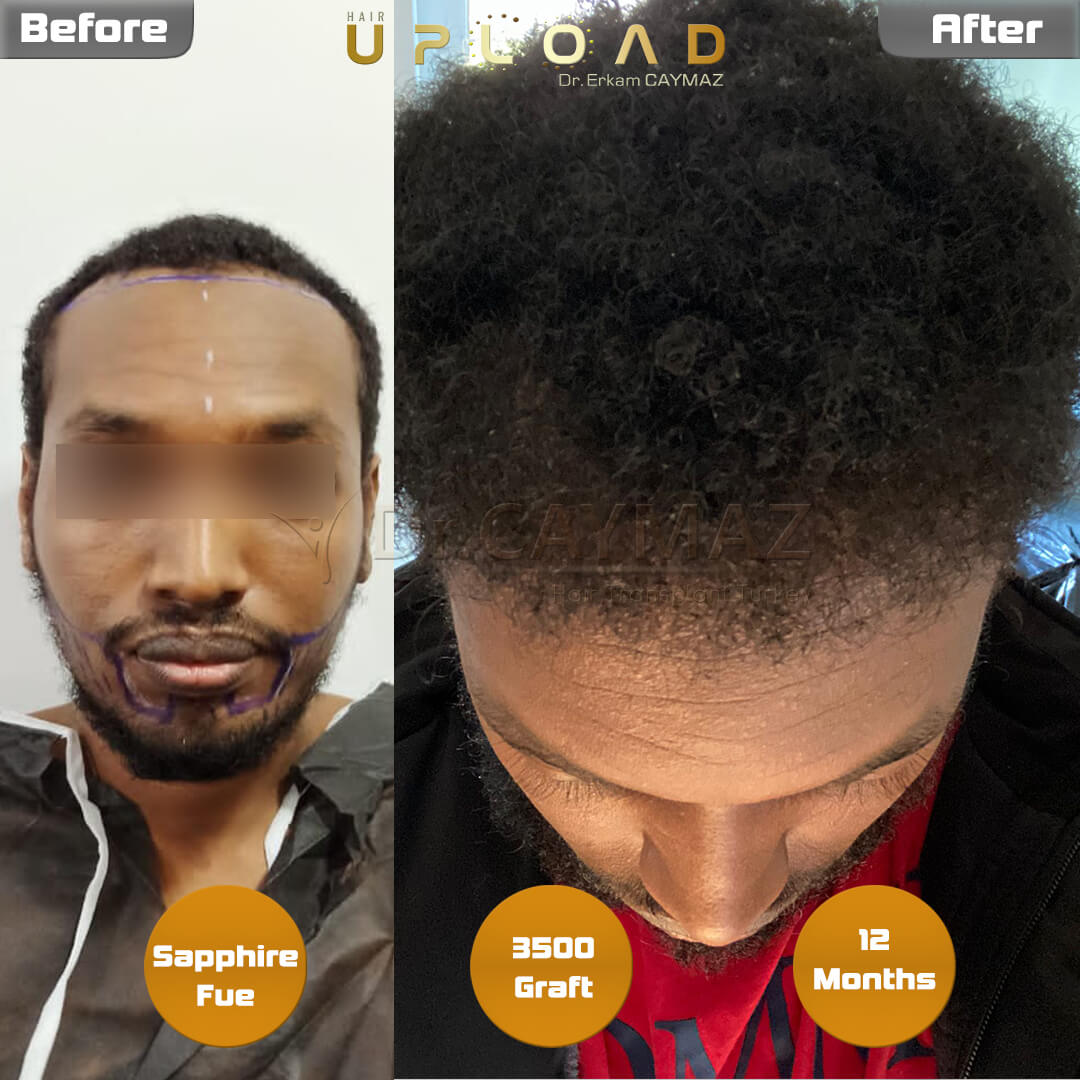
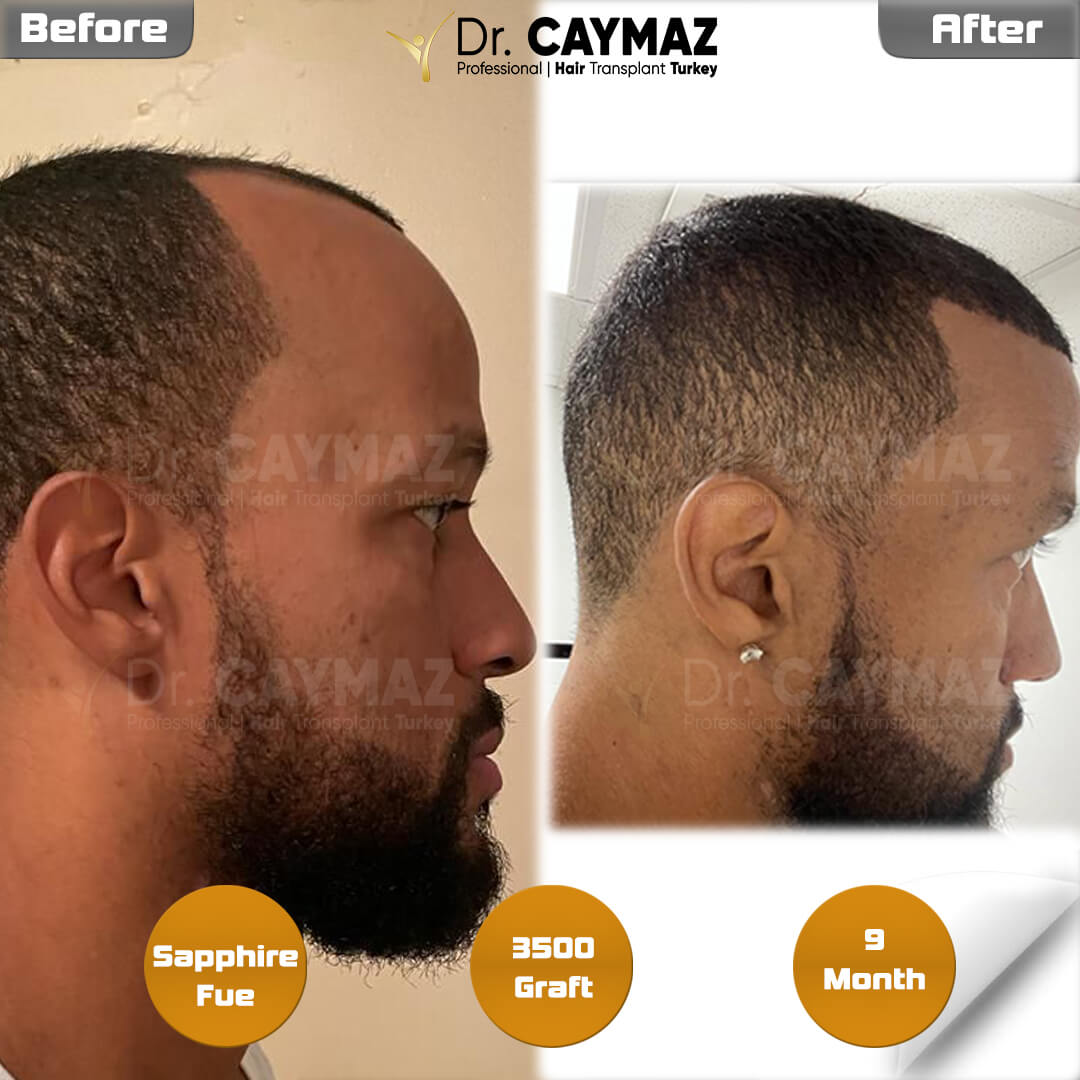
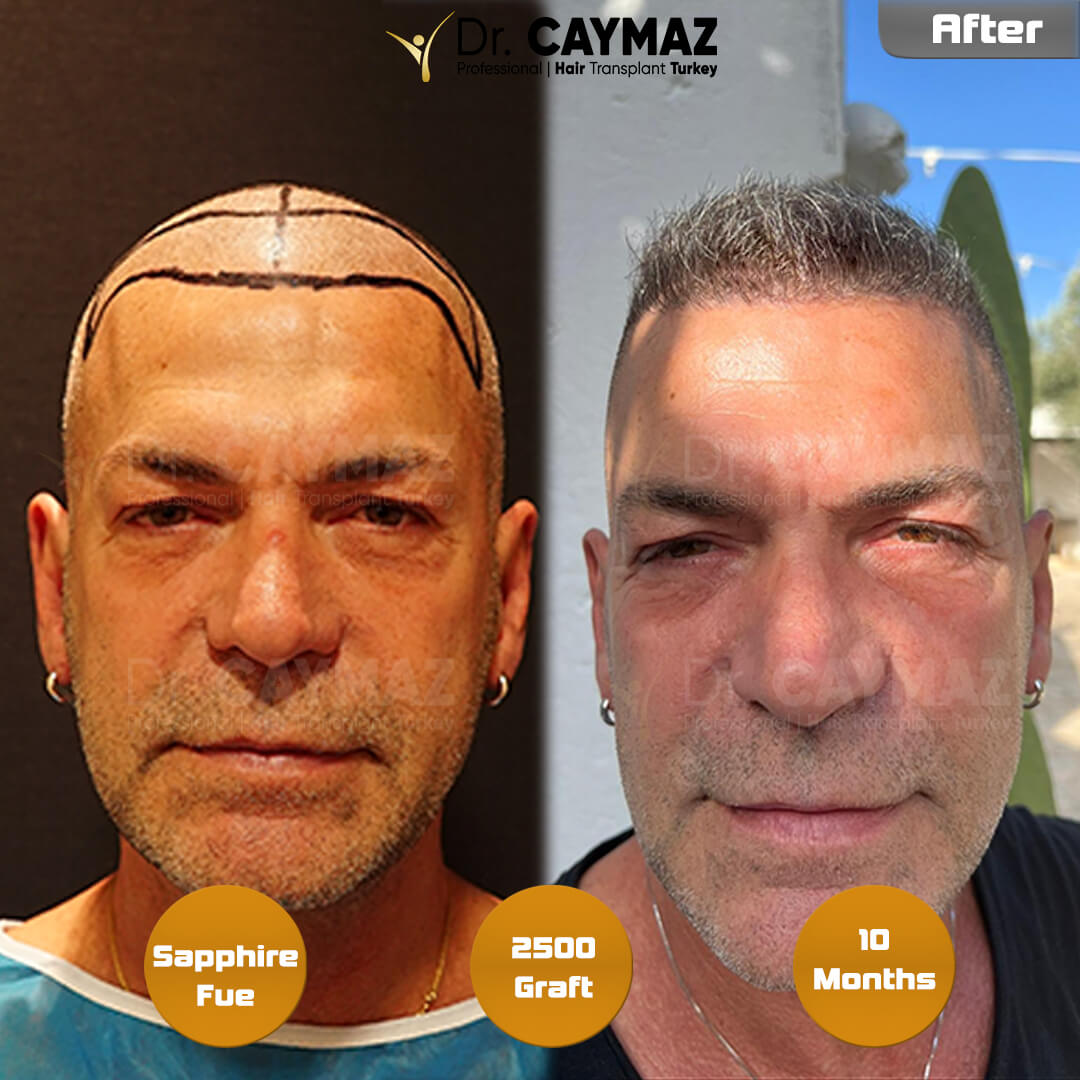
Clinic insight: At Hair Upload Clinic Istanbul, Dr. Erkam’s view is that robotics assists one step only, graft harvesting, while hairline design, channel opening, and density planning decide the final result, which is why he uses surgeon-led Sapphire FUE rather than the ARTAS platform.
A hair transplant robot is a robot that performs hair transplants with FUE technology developed by Artas company.
As you know, hair transplantation stands out as the most used hair transplantation today. A hair transplant robot joins the hair transplant, which is accompanied by a specialist doctor, and a near-perfect transplant is achieved with this device.
How Useful is a Hair Transplant Robot?
It is programmed with the hair transplant robot and technique to make hair transplant faster and more reliable.
The robot is managed by specialist physicians and hair transplantation operations can be performed together with it, but today, does hair transplantation work wonderfully with this robot? If you ask, no, the important factor in hair transplantation is how well-equipped the physician is in this field.
In other words, the hair transplant robot doesn’t provide you with better hair. In addition, the more aesthetic and beautiful appearance of your hair depends entirely on the technique and work ethic that the physician will apply.
The hair transplant robot provides convenience and advantages to physicians in some areas and doesn’t offer great comfort in hair transplants. So it has some shortcomings. It is an important shortcoming that it can collect fewer grafts.
Hair Transplantation with a Hair Transplant Robot
Some of the people who want to have a hair transplant want to have detailed information about the hair transplant robot. A hair transplant robot is a device that is currently under the control of a human, so it doesn’t make a hair transplant a robot.
As you already know, we’ve explained in our previous articles that aesthetic doctors can perform hair transplants and they should only do them. The hair transplant robot doesn’t add any aesthetic advantage to you in any way, it only adds advantages to the doctors in some respects.
Again, as we mentioned above, the important thing in hair transplantation is not the hair transplant robot, but how successful the physician is in this field.
Will the Hair Transplanted with the Hair Transplant Robot Grow Out?
How do the operations with the hair transplant robot take place and does the hair grow? There are frequently asked questions.
It is useful to say that hair transplantation is done with the FUE technique in a classical way. Hair transplantation is done with the hair transplantation robot and the hair grows without any problems.
It should be noted that with the hair transplant robot, your hair won’t grow in a much shorter time. When you go to hair transplantation centers, you’ll have much more detailed information about this subject.
The hair regrowth situations are the same in the shots made with the hair transplant robot and the shots made with the classical and technology, so the hair transplant robot never gives you an advantage.
Related guides from Hair Upload Clinic:
- Top hair transplant clinics worldwide
- Hairline design for men and women
- Best donor areas for hair transplant
- Shock loss after transplant: what is normal
Frequently Asked Questions
Is the ARTAS robot fully automatic?
No. A surgeon still performs anaesthesia, planning, channel opening, and graft implantation. ARTAS only automates the extraction of follicular units, so the surgeon’s skill remains the biggest factor in your result.
Who is a good candidate for ARTAS robotic hair transplant?
Ideal candidates have straight, dark, coarse hair, because the camera system struggles to detect fine, curly, grey, or blonde follicles. Many patients fall outside the robot’s detection range, which limits candidacy considerably.
Does ARTAS hurt more than manual FUE?
The procedure is done under local anaesthesia in both cases, so discomfort is similar. The robot requires full shaving of the donor area, which matters for patients who want an unshaven approach.
Is ARTAS more expensive than manual FUE?
Yes. Clinics using the ARTAS system typically charge more per session to cover machine and maintenance costs, and price alone does not guarantee a better result.
Can ARTAS implant the grafts too?
No. ARTAS performs extraction and recipient site making only. Implantation of grafts is still done manually by the surgical team under the surgeon’s supervision.
Why does HU Clinic prefer surgeon-led Sapphire FUE?
Sapphire FUE allows Dr. Erkam to tailor angle, depth, and density to each patient, including curly, fine, or grey hair where robotic vision fails, with graft survival of up to 98% and overall success rates of 90-95%.
Sources: ISHRS patient resources.
Medical disclaimer: This page is for education only and does not replace a consultation with Dr. Erkam at Hair Upload Clinic (HUC). Individual assessment is required.
ARTAS Robot vs. Surgeon-Led Sapphire FUE
The ARTAS system automates graft harvesting with image guidance, but it stops there. Hairline design, incision angles, and implantation still depend on the surgical team. At Hair Upload Clinic in Istanbul, Dr. Erkam performs the planning and channel opening himself using Sapphire FUE, with expert technicians handling extraction and placement under his supervision. This approach works for all hair types, including curly and grey hair that robotic vision often cannot detect, keeps the 1-2 VIP operations per day standard, and achieves graft survival of up to 98%. Robot-assisted harvesting can be a valid option for a narrow candidate profile, yet surgeon judgement and technique selection still decide most of the outcome.
Written by : Elena Vasquez