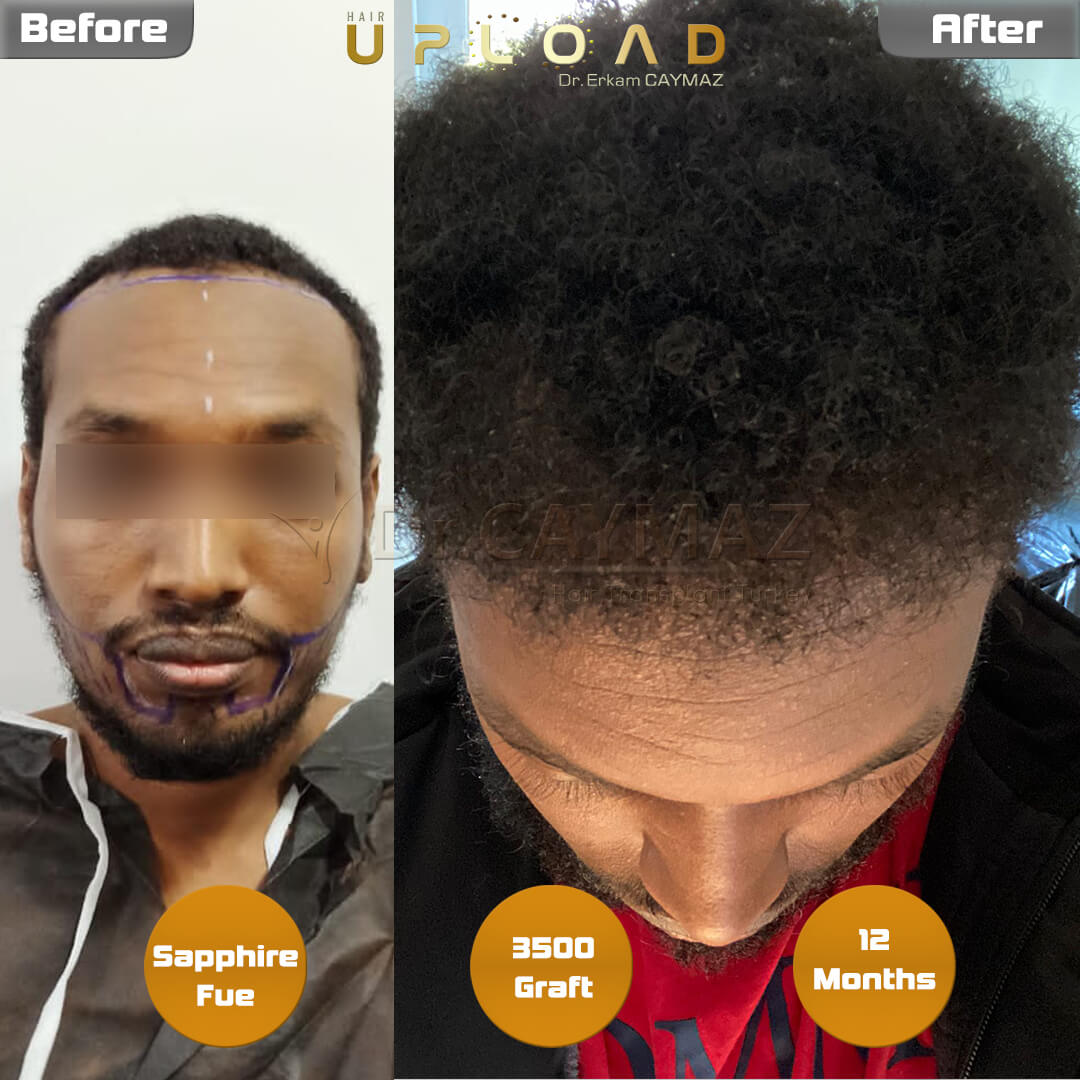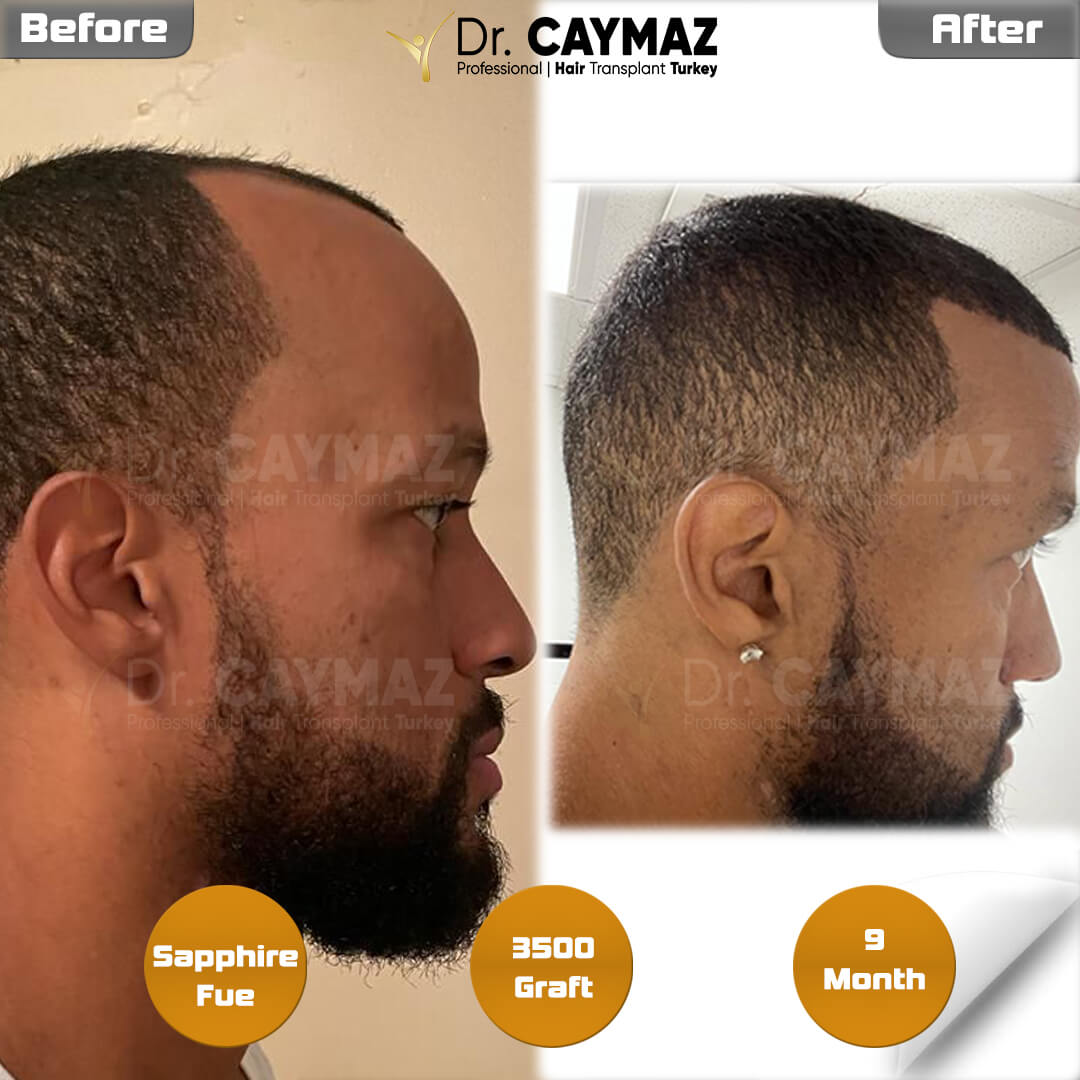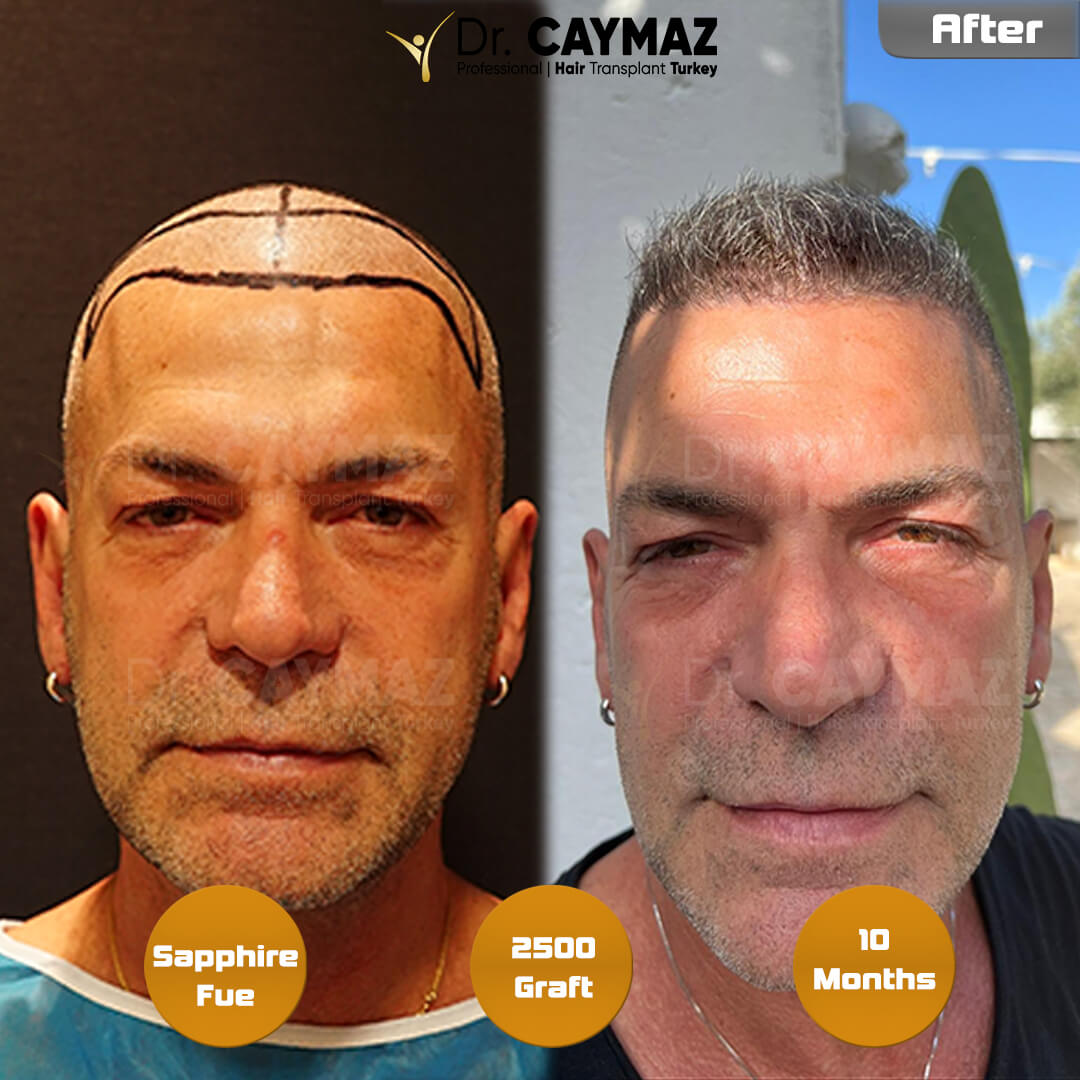
A revision hair transplant corrects the results of a previous procedure that turned out unnatural, too sparse or poorly planned. At Hair Upload (HU) in Istanbul, revision cases are among the most demanding we treat, because the donor area is often depleted and scarring must be worked around. Careful graft budgeting by Dr. Erkam decides whether a second surgery can realistically succeed.
Clinic insight: At HU Clinic in Istanbul, Dr. Erkam personally assesses every revision candidate, because with a limited remaining donor supply the hairline design and channel planning leave no margin for a second mistake.
What is the Importance of Revision in Hair Transplantation?
In hair transplant surgery, the hair transplant technique used is of great importance in achieving the desired result. Ignoring the advantages offered by modern technology and insisting on old-style hair transplant techniques may require revision of the previous hair transplant. In addition, as I said at the beginning of the article, one of the most important factors that ensure the success of hair transplantation is that it is performed by experts. The operation, which falls into the wrong hands, fails due to mistakes made during the transplantation and requires revision. The biggest nightmare of people who want to have a hair transplant is the Grass Man Syndrome. The only thing you need to do to avoid this analogy is to seek the help of a specialist who is familiar with the technologies of hair transplantation, who has experience in this field, who can reveal all aspects of what you may encounter and who can put a realistic attitude in the face of your expectations.
In this operation, which is performed to improve the unnatural images that appear on the scalp of patients who are aesthetically damaged and aggrieved as a result of negative procedure; the “grass man” type hair follicles formed due to multi-root transplantation are removed and replanted correctly, the ugly appearance is lost by adding the roots taken from other hairy parts. If there is an incision scar where the distorted image is formed, this scar will be destroyed by transplanting hair follicles there.


Why Do They Have 2nd Session Operation?
The most important issue in the operation to correct the faulty hair transplantation is to make a determination in accordance with the opinion of the victim, according to the result of the previous negative procedure. You’ll need to inform the person well about the stages and possible results of this operation, as the expectation bar is high for a person who has had a previous unsuccessful experience.
The most important factor that determines age in the transplantation process is whether the hair loss is over or not. Male pattern hair loss is a lifelong event, and the rate of shedding slows down after the age of 35. It should be taken into account that shedding may continue when the supplement is made in patients under these ages and the patient may need a 2nd or 3rd session.
Hair loss experienced after hair transplantation is a natural and temporary condition. About 1-2 months after the end of the shock shedding process, the person’s new hair starts to grow.

In How Many Years Does the Transplanted Hair Fall Out or Not?
After hair transplantation, the shock shedding process is experienced once. After the shock loss, the transplanted hair follicles don’t shed again or the hair doesn’t become sparse again. The reason why the nape is used as a donor area in hair transplantation is that the hair in this area is not affected by hair loss caused by male hormone. For this reason, the hair follicles taken from the nape continue to maintain their resistance against shedding after the hair transplantation process.
Related guides from Hair Upload Clinic:
- Top hair transplant clinics worldwide
- Hairline design for men and women
- Best donor areas for hair transplant
- Shock loss after transplant: what is normal
Frequently Asked Questions
When is a revision hair transplant needed?
A revision is considered when a previous transplant produced an unnatural hairline, poor density, wrong hair direction, or visible scarring in the donor or recipient area.
How long should I wait before a revision?
Most surgeons recommend waiting 12 months after the first procedure, since final results settle around that point and some thinning areas may still fill in.
Is a revision harder than a first hair transplant?
Yes. The donor area is usually depleted, scar tissue makes extraction harder, and graft availability may be lower, so planning has to be more conservative.
Can a hair transplant be revised after old FUT surgery?
In many cases, yes. Modern FUE can add density to areas filled unevenly, and in selected cases grafts can be placed to soften the appearance of a strip scar.
Will a revision give me the density I originally wanted?
It depends on how many grafts remain in your donor area. During consultation at Hair Upload Clinic, Dr. Erkam measures donor reserves and sets a realistic density target before surgery.
Does a revision have a lower success rate?
Not necessarily. With sound planning, overall success rates of 90–95% and graft survival of up to 98% are still achievable, but expectations must match the available graft supply.
Sources: ISHRS patient resources.
Medical disclaimer: This page is for education only and does not replace a consultation with Dr. Erkam at Hair Upload Clinic (HUC). Individual assessment is required.
How a Revision Hair Transplant Is Planned at HU Clinic
Revision surgery starts with an honest graft audit. Dr. Erkam measures what is left in the donor area, checks the quality of existing grafts, and evaluates scarring from the first procedure before recommending anything. In many cases the goal is not maximum coverage but a natural, well-designed hairline that looks right at every angle. Correction of hair direction, angulation and density zones matters more than graft count alone, which is why at Hair Upload Clinic revision cases are planned with the same one-to-one surgeon attention as first surgeries, never on a volume basis.
| Revision finding | Typical correction | Usual timing |
|---|---|---|
| Pluggy or low hairline | Graft removal, redistribution, hairline redesign | 12+ months after first surgery |
| Low density in recipient area | Additional FUE grafts to selected zones | 12+ months |
| FUT strip scar in donor area | Graft implantation into scar or SMP discussion | Case-by-case |
| Wrong hair direction | Partial removal and re-angulation of channels | Case-by-case |
Sources
Written by : Marcus Holloway