Why Hair Transplantation is a Once-in-a-Lifetime Investment Unlike many cosmetic treatments that require regular touch-ups, hair transplantation, when performed correctly, is designed to be a one-time, permanent solution. The transplanted hair follicles, typically taken from the donor area (usually the back and sides of the head), are genetically resistant to the hormones that cause male and female pattern baldness. Once relocated, these follicles continue to grow hair naturally for a lifetime.

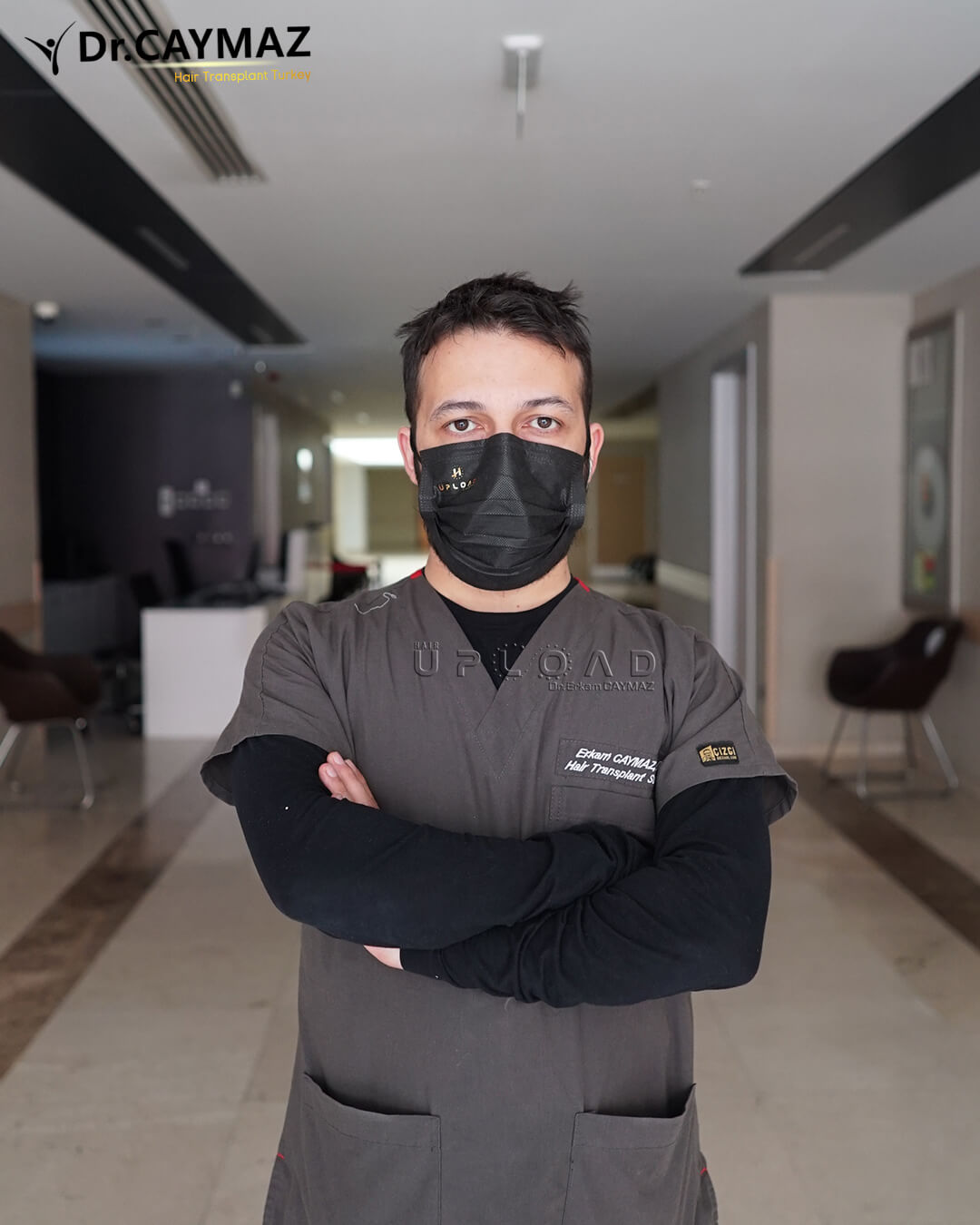
But this permanence isn’t magically achieved. It’s the direct result of a meticulous process guided by an expert. If you find yourself needing annual hair transplants, it’s a red flag indicating fundamental issues with the initial procedure, the clinic’s practices, or the surgeon’s skill. As Dr. Erkam frequently emphasizes, the goal is not to perform repeated surgeries, but to achieve a natural, dense, and lasting result on the first attempt.

The Critical Role of an Experienced Hair Transplant Surgeon

The success and longevity of your hair transplant hinge almost entirely on the surgeon’s experience and skill. This isn’t merely a surgical procedure; it’s an detailed blend of art and science.

The Science: Understanding Follicular Biology and Anatomy

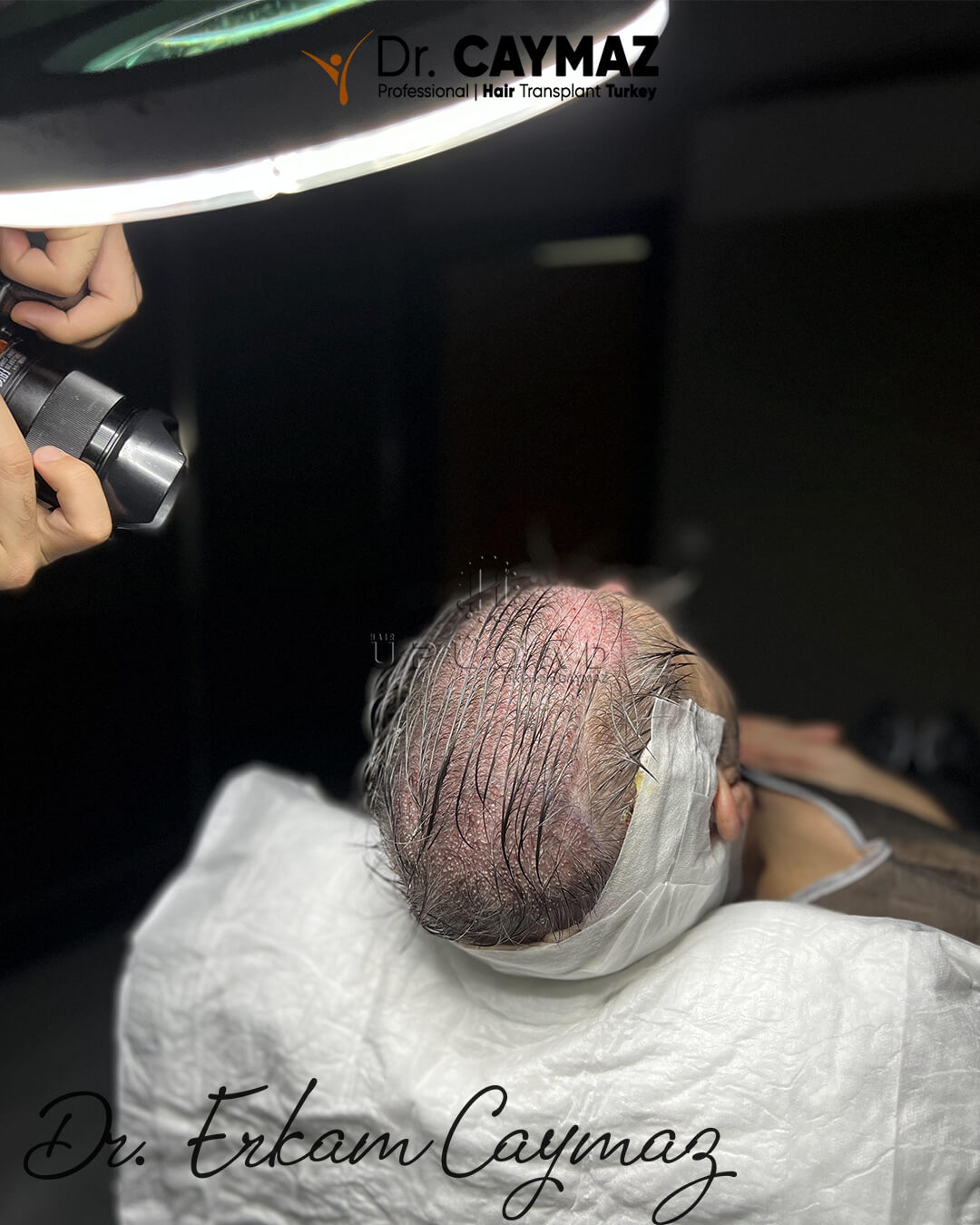
An experienced surgeon possesses a deep understanding of scalp anatomy, follicular unit biology, and the science behind hair growth cycles. They know precisely how to harvest grafts without damaging them, how to create recipient sites that ensure optimal blood supply, and how to minimize trauma to surrounding tissues.

According to a review in the Journal of the American Academy of Dermatology (JAAD), proper graft handling and implantation techniques are critical for graft survival and successful integration.

The Art: Achieving Natural-Looking Results

Beyond the technical aspects, a truly skilled surgeon has an artistic eye. They understand:

  • Hairline Design: Crafting a natural-looking hairline that suits your facial features, age, and future hair loss progression is paramount. A poorly designed hairline can instantly betray a transplanted look.

  • Density and Direction: Ensuring the transplanted hairs mimic the natural density and direction of your existing hair is crucial for an undetectable result. This requires precision in angulation and spacing of each graft.

  • Symmetry and Proportionality: Balancing the transplanted areas with your natural features to create a harmonious and aesthetically pleasing outcome.

A surgeon like Dr. Erkam doesn’t just fill in bald spots; they sculpt a natural, rejuvenated appearance.

Why “Hair Upload” Means More Than a Catchphrase

The term “Hair Upload,” often associated with Dr. Erkam, speaks volumes about a modern, patient-centric approach. It implies a detailed, almost digital-level precision in planning and executing the transplant. This includes:

  • Thorough Consultation and Planning: Every patient is unique. An expert surgeon invests time in understanding your specific hair loss pattern, donor area capacity, and aesthetic goals.

  • Advanced Techniques: Utilizing cutting-edge techniques like FUE (Follicular Unit Excision) with precision tools to ensure minimal scarring and faster recovery.

  • Strategic Graft Placement: Not just filling, but carefully “uploading” each follicular unit to create a seamless, natural transition.

This comprehensive approach is why Dr. Erkam – Hair Upload is synonymous with high-quality, permanent hair restoration.

What Makes a Surgeon Truly Skilled?

When considering a hair transplant, it’s vital to look beyond flashy marketing and focus on verifiable indicators of skill and experience:

  1. Years in Practice & Case Load: A surgeon who has performed thousands of successful transplants over many years has honed their craft through vast practical experience.

  2. Specialization: Is hair transplantation their primary focus, or is it one of many procedures they offer? Specialists generally offer superior results due to their concentrated expertise.

  3. Certifications and Memberships: Look for certifications from reputable boards and memberships in professional organizations like the World Fue Institute (WFI). These indicate adherence to high standards and ongoing education. (For more details on choosing a qualified professional, see our overview on [“How to Research Hair Transplant Clinics“]).

  4. Patient Reviews and Testimonials: Genuine, detailed reviews and before-and-after photos speak volumes about a surgeon’s results and patient satisfaction.

  5. Artistic Portfolio: A strong portfolio of natural-looking results is undeniable proof of a surgeon’s aesthetic capability.

A highly skilled surgeon will also be transparent about the potential outcomes, risks, and post-operative care, ensuring you have realistic expectations.

The Risks of Inexperienced Hands: Why Cheap Isn’t Always Cheerful

Opting for a hair transplant based solely on price can lead to significant regrets. Inexperienced surgeons or clinics prioritizing volume over quality often result in:

  • Unnatural Hairlines: The dreaded “pluggy” or straight, artificial hairline.

  • Poor Graft Survival: Many transplanted grafts may fail to grow, leading to sparse results.

  • Damaged Donor Area: Over-harvesting or poor extraction techniques can permanently deplete or scar the donor area, making future procedures impossible.

  • Infections and Complications: A lack of sterile practices or surgical expertise can lead to serious health issues.

  • The Need for Revision Surgeries: This is where the myth of “annual transplants” truly comes from – patients needing multiple, costly, and often less successful procedures to fix a botched initial one.

As stated in Aesthetic Plastic Surgery – “The Most Influential Publications Regarding Hair Transplantation”, proper surgical technique is fundamental to minimizing complications and maximizing aesthetic outcomes.

Maximizing Your Long-Term Hair Transplant Results

Choosing an experienced surgeon is the first, and most important, step. But there are also actions you can take to ensure the longevity and success of your results:

  • Follow Post-Operative Instructions Diligently: Your surgeon’s guidance on aftercare is crucial for graft survival and healing.

  • Maintain a Healthy Lifestyle: Good nutrition, stress management, and avoiding smoking can contribute to overall hair health.

  • Consider Complementary Treatments: In some cases, your doctor may recommend adjunct therapies like Finasteride or Minoxidil to maintain existing non-transplanted hair. According to the International Journal of Trichology, these can be effective in slowing down further hair loss [cite source here – e.g., “Medical Management of Androgenetic Alopecia”].

Remember, your hair transplant is a collaboration between your surgeon’s expertise and your commitment to proper care.

Conclusion: Invest in Expertise, Invest in Permanence

Hair transplantation is a profound journey, offering permanent hair restoration and a significant boost in self-confidence. It is emphatically not a procedure to be performed annually. The very essence of its success lies in the meticulous skill, deep experience, and artistic vision of your chosen surgeon.

When considering a hair transplant, prioritize expertise over price. Seek out professionals like Dr. Erkam – Hair Upload, who embody the blend of scientific precision and artistic flair required to deliver natural, lasting results. Make an informed decision, and you’ll invest in a permanent transformation, not a cycle of endless treatments.


FAQ Section

Q1: How long do hair transplant results last?
A1: When performed by a skilled surgeon using healthy donor follicles, hair transplant results are permanent. The transplanted hairs are genetically resistant to balding and will continue to grow for a lifetime.

Q2: Can I get another hair transplant if I’m not happy with my first one?
A2: While revision surgeries are possible, they’re significantly more complex and depend heavily on the availability of healthy donor hair. This is why choosing an experienced surgeon for your initial procedure is so crucial to avoid needing a second one.

Q3: Is hair transplantation painful?
A3: The procedure is typically performed under local anesthesia, so you shouldn’t feel pain during the transplant itself. Some discomfort or soreness may be experienced during recovery, which can be managed with prescribed pain medication.


Call to Action: Ready to explore permanent hair restoration with an expert? Contact us today for a personalized consultation to discuss your hair transplant journey.

Related guides from Hair Upload Clinic:

Written by : Hair Upload - Hair Transplant Turkey - HU Clinic

gif;base64,R0lGODlhAQABAAAAACH5BAEKAAEALAAAAAABAAEAAAICTAEAOw==