If a previous hair transplant left you dissatisfied, a repair procedure can restore density and natural flow. At Hair Upload Clinic in Istanbul, we conduct thorough evaluations to design a personalized corrective FUE plan that addresses specific graft placement, donor scarcity, and aesthetic goals.
What Is a Failed Hair Transplant and Why Repair Is Needed
A “failed” hair transplant is usually defined by low graft survival, unnatural hairline design, visible scarring, or insufficient density after the initial procedure. Patients may notice that the transplanted area looks sparse, the angle of the hair does not match the surrounding scalp, or that donor sites show unnecessary scarring. These concerns often lead to a desire for a second operation, commonly referred to as a “repair” or “corrective” transplant.
At Hair Upload Clinic we begin every repair evaluation with a detailed review of the previous surgery’s documentation, including the original donor map and any intraoperative notes. Our approach integrates the best donor area planning guide to assess how much native hair can still be harvested safely. This systematic review ensures that the corrective plan respects the existing scar architecture and preserves any remaining viable donor tissue.
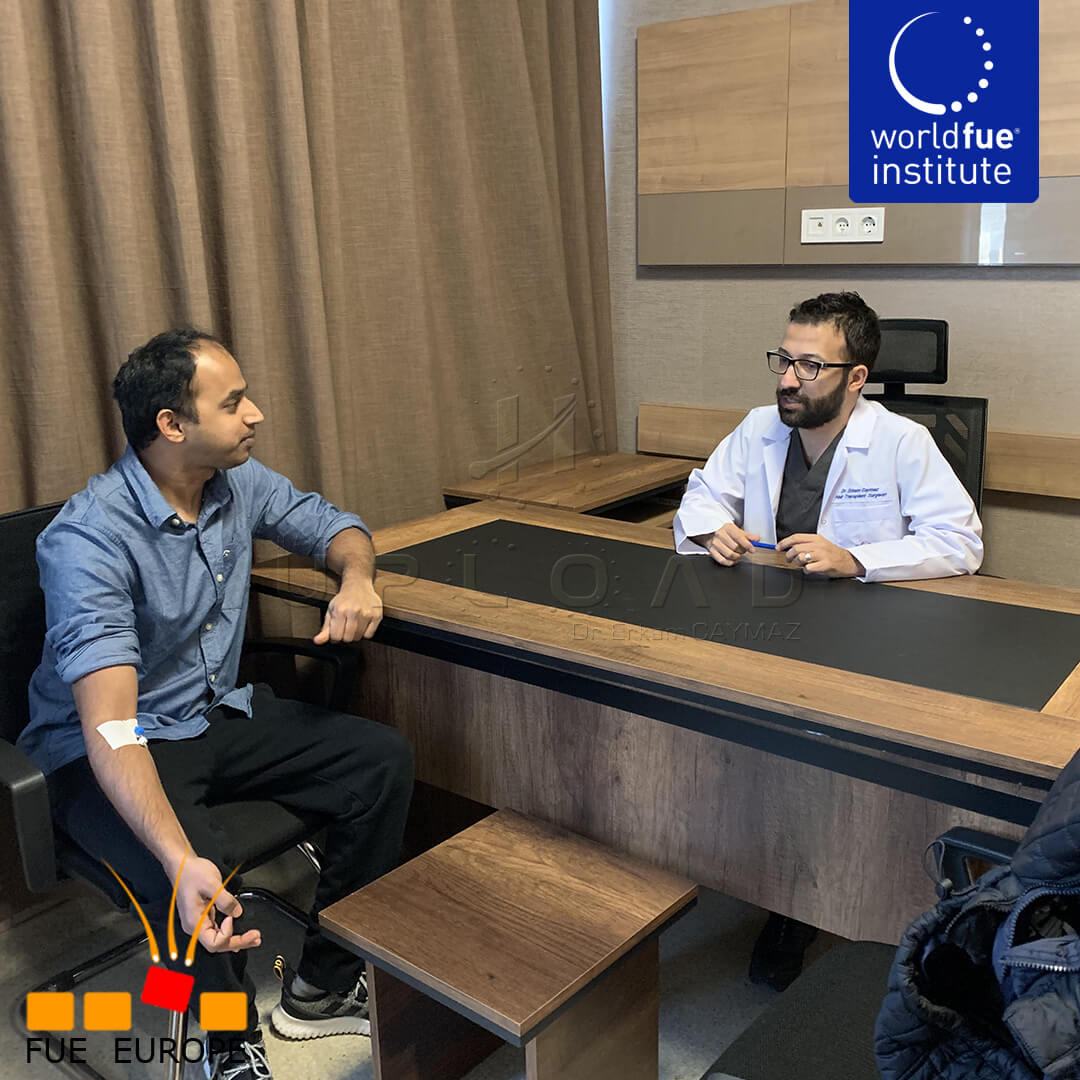
Owner‑surgeon Dr. Erkam personally leads the initial consultation and designs the corrective strategy. He evaluates the angle, direction, and density of existing grafts, then creates a tailored blueprint that integrates the patient’s aesthetic goals with realistic expectations. This clinician‑led planning distinguishes boutique practices like HU Clinic from high‑volume hair mills, where each case is often reduced to a template.
Why a repair is sometimes necessary can be broken down into three core issues:
- Low graft survival – the original procedure may have used outdated extraction methods or inadequate post‑operative care, leading to poor take.
- Unsatisfactory hairline design – the frontal hairline may appear too straight, too high, or mismatched to the patient’s facial structure.
- Scarring or graft misalignment – visible linear scars from FUT or uneven placement of FUE grafts can compromise the final look.
Understanding these underlying causes is essential before any corrective action is taken. A thorough evaluation identifies the problem and determines the most appropriate technique, whether it is a secondary FUE, scar revision, or a combination of both. Patients who undergo a well‑planned repair often report a significant boost in self‑confidence and a natural‑looking result that blends seamlessly with their existing hair.
Indications and Candidacy for Repair Procedures
Candidacy for a hair transplant repair is not universal; it depends on a combination of medical, aesthetic, and lifestyle factors. The ideal candidate typically presents with stable hair loss, realistic expectations, and a willingness to follow post‑operative care instructions closely. At Hair Upload Clinic we screen each prospective patient through a series of assessments that include blood work, scalp elasticity testing, and a photographic analysis of the donor and recipient zones.
Medical indications for a repair include documented graft failure, visible scarring from a previous FUT procedure, or a history of unsatisfactory density after an FUE transplant. Also, patients who have experienced significant shock loss due to trauma, severe stress, or prior surgery may benefit from a corrective approach. The clinic’s surgeons also evaluate whether the patient’s remaining donor area can supply enough healthy follicles to achieve a satisfactory result without compromising future options.
Psychological readiness is equally important. Candidates should have a clear understanding that a repair is a surgical procedure with its own set of risks and that outcomes can vary. Those who seek surgery primarily for a quick fix or who have unrealistic expectations about achieving a full head of hair are usually advised to consider counseling first.
At HU Clinic we also consider the timing of the repair. Typically, it is best to wait at least 12‑18 months after the initial transplant to allow the scalp to fully heal and the final graft survival to become apparent. Rushing into a second operation can increase the risk of further scar formation and reduce the overall success rate.
During the candidacy assessment, Dr. Erkam may recommend a combined approach. For example, a patient with a linear FUT scar can benefit from scar revision using a trichophytic closure, followed by a sapphire FUE session to fill in the surrounding area. This integrated planning ensures that each step builds on the previous one, maximizing the chances of a natural‑looking outcome.
Patients who meet these criteria and are ready to commit to the postoperative regimen are invited to a personalized treatment plan. This plan outlines the number of grafts required, the specific techniques to be employed, and a timeline for the procedure and follow‑up care.
How a Corrective FUE Is Planned and Performed
Planning a corrective FUE begins with a high‑resolution digital scalp scan and a detailed patient interview. The surgeon maps the existing graft distribution, identifies areas of deficiency, and decides on the optimal density target. At Hair Upload Clinic we use this data to create a three‑dimensional model that simulates the final hairline, helping patients visualize the expected result.
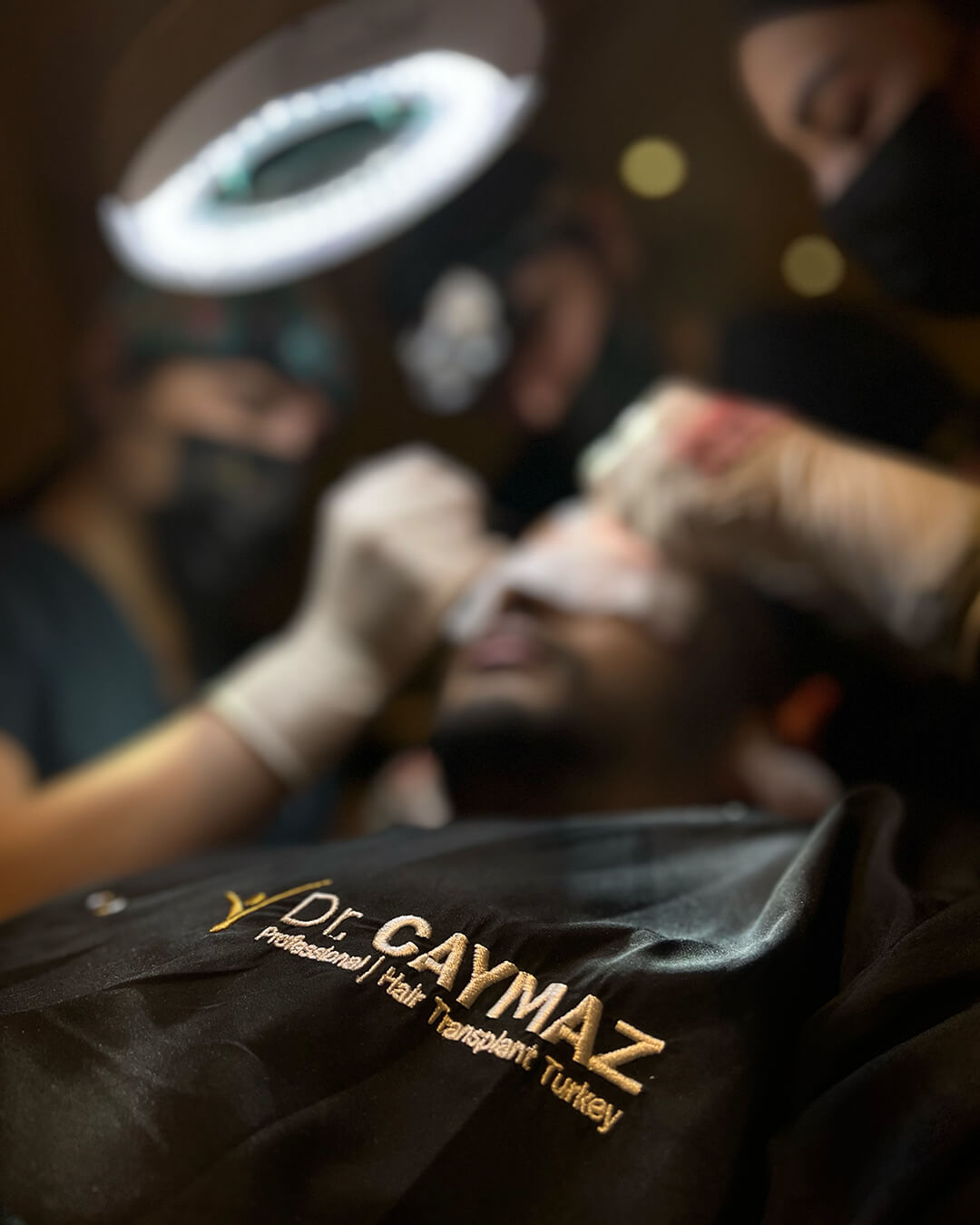
Once the design is finalized, the operative phase is carefully orchestrated. Dr. Erkam performs the initial incisions using a sapphire blade, which allows for precise recipient site creation and optimal graft angle alignment. This step is crucial for achieving a natural hair direction and density. The actual extraction and implantation are carried out by expert surgical technicians working under Dr. Erkam’s direct supervision, ensuring that each graft is handled with the utmost care.
When higher density is required, especially in the frontal region, the team may employ DHI (Choi) implantation. This technique keeps the graft in a specialized holder before insertion, which can improve placement accuracy and reduce transection rates. The decision to use DHI versus standard FUE is based on the specific case, not on a generic preference. For instance, patients seeking a very refined hairline or those with limited donor reserves may benefit from the additional control that DHI provides.
Before the operation, patients receive a comprehensive briefing on anesthesia options. At Hair Upload Clinic we use local anesthesia with epinephrine to minimize bleeding and ensure patient comfort throughout the procedure. This approach aligns with our commitment to safety and reduces the need for post‑operative pain medication.
Intra‑operatively, the surgical team maintains a paced workflow to reduce trauma to the scalp. Graft extraction is performed using micro‑punch devices that are continuously monitored for temperature and rotation speed. After extraction, grafts are placed in a specialized cooling solution to preserve viability until implantation.
Post‑operative care is equally structured. Patients are given detailed instructions on cleansing, medication, and activity restrictions. The clinic’s follow‑up schedule includes weekly check‑ins for the first month, ensuring that any early signs of infection or poor healing are addressed promptly. This level of oversight is a hallmark of boutique clinics like HU Clinic, where each patient receives individualized attention.
By integrating meticulous planning, advanced techniques, and a disciplined surgical team, a corrective FUE can effectively address the shortcomings of a previous transplant. The result is a more natural hairline, improved density, and a boost in patient confidence.
Key Comparison: Evaluation Focus vs Repair Options
The following table summarizes the primary evaluation criteria and the corresponding corrective strategies that Dr. Erkam and his team at Hair Upload Clinic employ to tailor each repair plan.
| Evaluation Focus | Repair Options & Expected Results |
|---|---|
| Initial graft survival analysis | Secondary FUE to replace lost grafts; expected 90‑95% survival rate |
| Scar visibility ( FUT or FUE ) | Scar revision + targeted FUE/DHI to blend; improved scalp texture |
| Donor area capacity | Optimized donor mapping using the best donor area planning guide; graft numbers adjusted accordingly |
| Hairline design dissatisfaction | Refined hairline redesign with sapphire FUE; natural angle and density achieved |
Risks, Limitations, and Aftercare Timeline
Every surgical procedure carries inherent risks, and a corrective hair transplant is no exception. At Hair Upload Clinic we prioritize patient safety by conducting thorough pre‑operative screenings and employing evidence‑based techniques. Common risks include infection, poor graft take, and temporary swelling. More serious but uncommon complications can involve nerve injury or excessive scarring.
One limitation of repair surgery is the availability of viable donor follicles. If the previous extraction has significantly depleted the donor reserve, the surgeon may need to limit the number of grafts that can be transplanted safely. In such cases, patient counseling is essential to set realistic expectations and explore alternative aesthetic solutions.
Aftercare is structured to promote optimal healing and graft survival. Immediately after the procedure, patients are advised to keep the scalp elevated, avoid strenuous activity, and follow a strict cleansing regimen using prescribed antiseptic solutions. Medications such as antibiotics and anti‑inflammatories are typically prescribed for the first week.
Swelling usually peaks between days 2‑4 and subsides gradually. Most patients can return to light work after 5‑7 days, although we recommend avoiding heavy lifting for at least two weeks. The transplanted grafts will enter a shedding phase within 2‑3 weeks, which is a normal part of the growth cycle. New hair growth typically begins around 3‑4 months post‑op, with visible density improvement by 9‑12 months.
Long‑term follow‑up is essential. Dr. Erkam schedules periodic reviews to monitor graft survival, adjust any necessary touch‑up sessions, and ensure the aesthetic outcome remains stable over time. This ongoing care is a cornerstone of the boutique experience at HU Clinic, where the focus remains on each patient’s unique goals rather than on throughput.
Practical Clinic Notes for International Patients
International patients traveling to Istanbul for a hair transplant repair benefit from a streamlined process designed to minimize stress and maximize convenience. At Hair Upload Clinic we offer airport pickup, visa assistance documentation, and a dedicated liaison who coordinates appointments, translations, and accommodation arrangements.
Consultation can be conducted via video call prior to arrival, allowing the surgical team to review medical records, photographs, and previous surgical reports in advance. This pre‑assessment ensures that the in‑person evaluation is focused and efficient, reducing the overall time spent in Istanbul.
During the stay, patients are accommodated in boutique hotels near the clinic, providing a comfortable environment for recovery. The clinic’s operating rooms are equipped with state‑of‑the‑art sapphire FUE and DHI technology, and all procedures are performed under local anesthesia to reduce the risks associated with general sedation.
After the procedure, patients receive detailed written instructions in their native language, as well as a 24‑hour hotline for immediate concerns. Follow‑up appointments can be scheduled via telemedicine, eliminating the need for additional travel unless a physical touch‑up is required.
At HU Clinic we also provide financing options tailored for international clients, with transparent pricing that includes all surgical fees, accommodation, and local transportation. Pricing is typically presented on a per‑graft basis, ranging from 2‑4 EUR per graft, which aligns with the clinic’s commitment to high‑quality care without excessive markup.
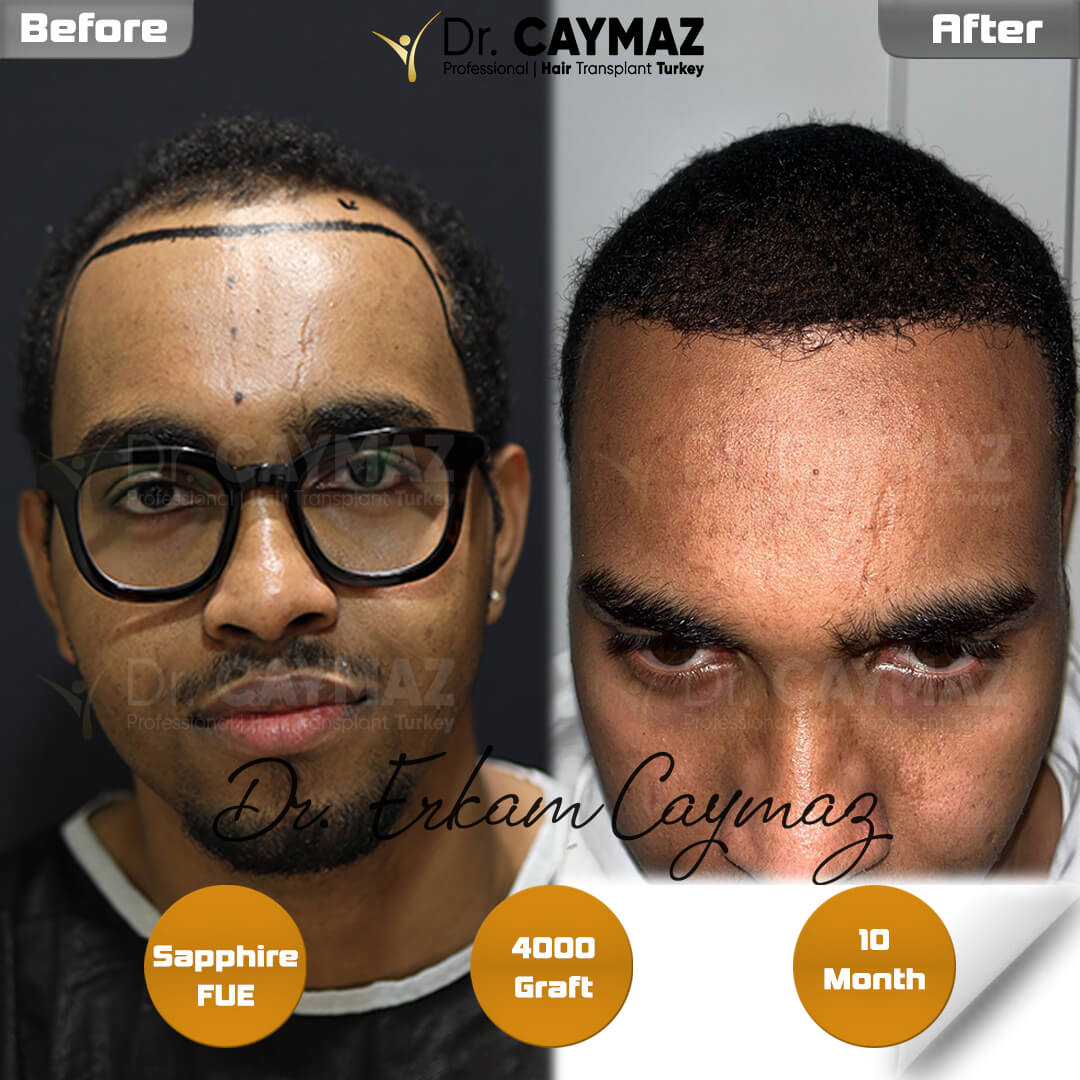
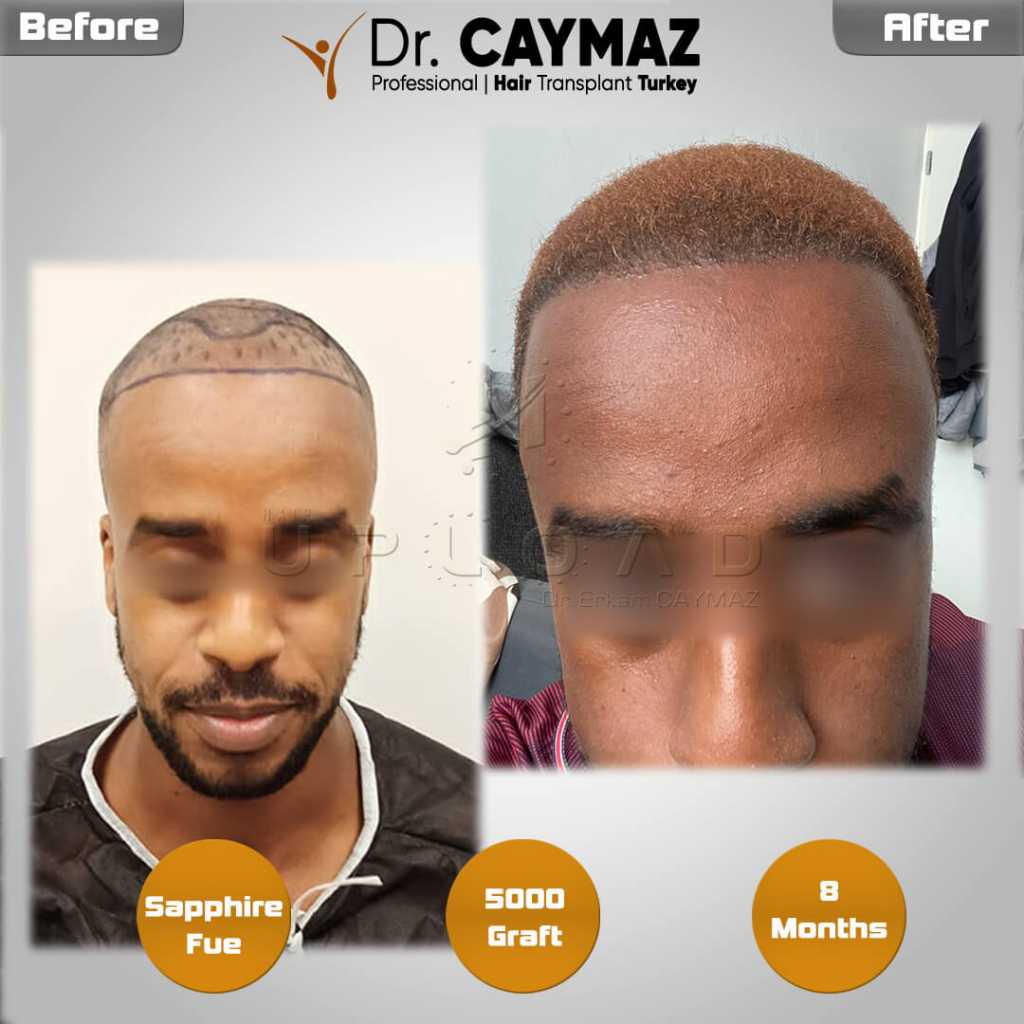
Patients often explore comparative information before committing to a corrective procedure. For those interested in technique details, our FUE vs DHI technique comparison provides a clear breakdown of indications, benefits, and recovery profiles. Visual outcomes are presentd in our before and after hair transplant results gallery, which highlights real patient experiences and helps set realistic expectations.
Women seeking repair benefit from a gender‑sensitive approach. Our hair transplant options for women guide addresses patterns of female pattern hair loss, covering everything from diagnosis to post‑operative styling advice. This comprehensive care model ensures that every patient, regardless of gender or background, receives a personalized plan that respects their unique aesthetic goals.
Finally, the clinic’s location in the historic heart of Istanbul offers patients a blend of world‑class medical services and cultural exploration. After recovery, many visitors take advantage of guided city tours, allowing them to experience the city’s rich heritage while enjoying the confidence that comes with a successful hair restoration.
Key Takeaways for Patients Considering Repair
Repairing a failed hair transplant is a nuanced process that demands meticulous evaluation, skilled surgical planning, and attentive post‑operative care. By partnering with a boutique clinic such as Hair Upload Clinic, patients gain access to surgeon‑led design, advanced sapphire FUE and DHI techniques, and a personalized journey from initial assessment through long‑term follow‑up.
Dr. Erkam’s expertise in corrective procedures, combined with the clinic’s emphasis on low patient volume and high precision, positions HU Clinic as a leading choice for international patients seeking reliable, natural‑looking results after an unsatisfactory transplant. The clinic’s coordinated care approach—covering medical evaluation, surgical execution, and practical travel support: ensures that each patient can focus on recovery and eventual aesthetic improvement without unnecessary stress.
If you are ready to explore a corrective FUE, schedule a consultation today. The team at Hair Upload Clinic will work with you to develop a clear, evidence‑based plan that addresses your specific concerns and restores the confidence you deserve.
Clinic insight: At HU Clinic, Dr. Erkam personally reviews each repair case, integrating his 15‑year experience with sapphire FUE to tailor corrective strategies that respect existing scar patterns and donor reserve, ensuring natural‑looking outcomes for international patients.
Frequently Asked Questions
What defines a failed hair transplant?
A failed hair transplant is typically identified by low graft survival, an unnatural hairline, visible scarring, or insufficient density after the initial procedure. These issues can result from technical factors, inadequate post‑operative care, or poor donor planning.
How does the evaluation process work at Hair Upload Clinic?
We begin with a comprehensive review of previous surgical notes, a scalp scan, and a personalized consultation with Dr. Erkam. This includes donor area assessment using our best donor area planning guide and a discussion of realistic expectations.
Which technique is used for corrective FUE?
Most corrective cases use sapphire FUE for precise recipient site creation. When higher density is needed, we may employ DHI (Choi) implantation. The choice depends on individual case factors, not a one‑size‑fits‑all approach.
What is the recovery timeline after a repair procedure?
Patients typically return to light activity within 5‑7 days, avoid heavy lifting for two weeks, and see initial shedding by 2‑3 weeks. New hair growth starts around 3‑4 months, with visible density improvement by 9‑12 months.
Is the repair suitable for international patients?
Yes. We offer airport pickup, visa assistance, accommodation coordination, and both in‑person and telemedicine follow‑ups, making the process smooth for patients traveling from abroad.
Sources: International Society of Hair Restoration Surgery (ISHRS); American Academy of Dermatology (AAD); PubMed: Evaluation of repair strategies after failed hair transplantation
Medical disclaimer: This page is for education only and does not replace a consultation with Dr. Erkam at Hair Upload Clinic (HUC). Individual assessment is required.
Written by : Elena Vasquez