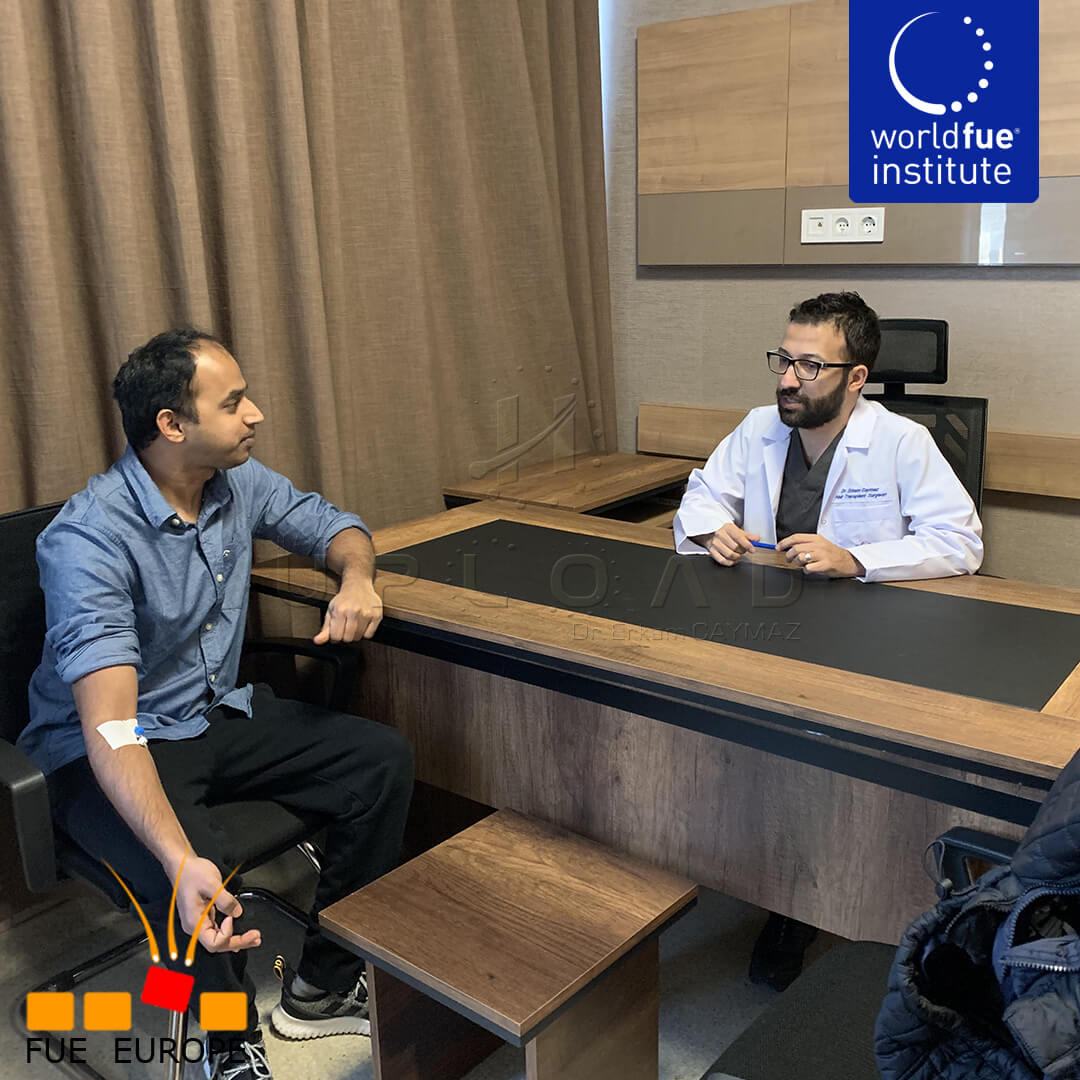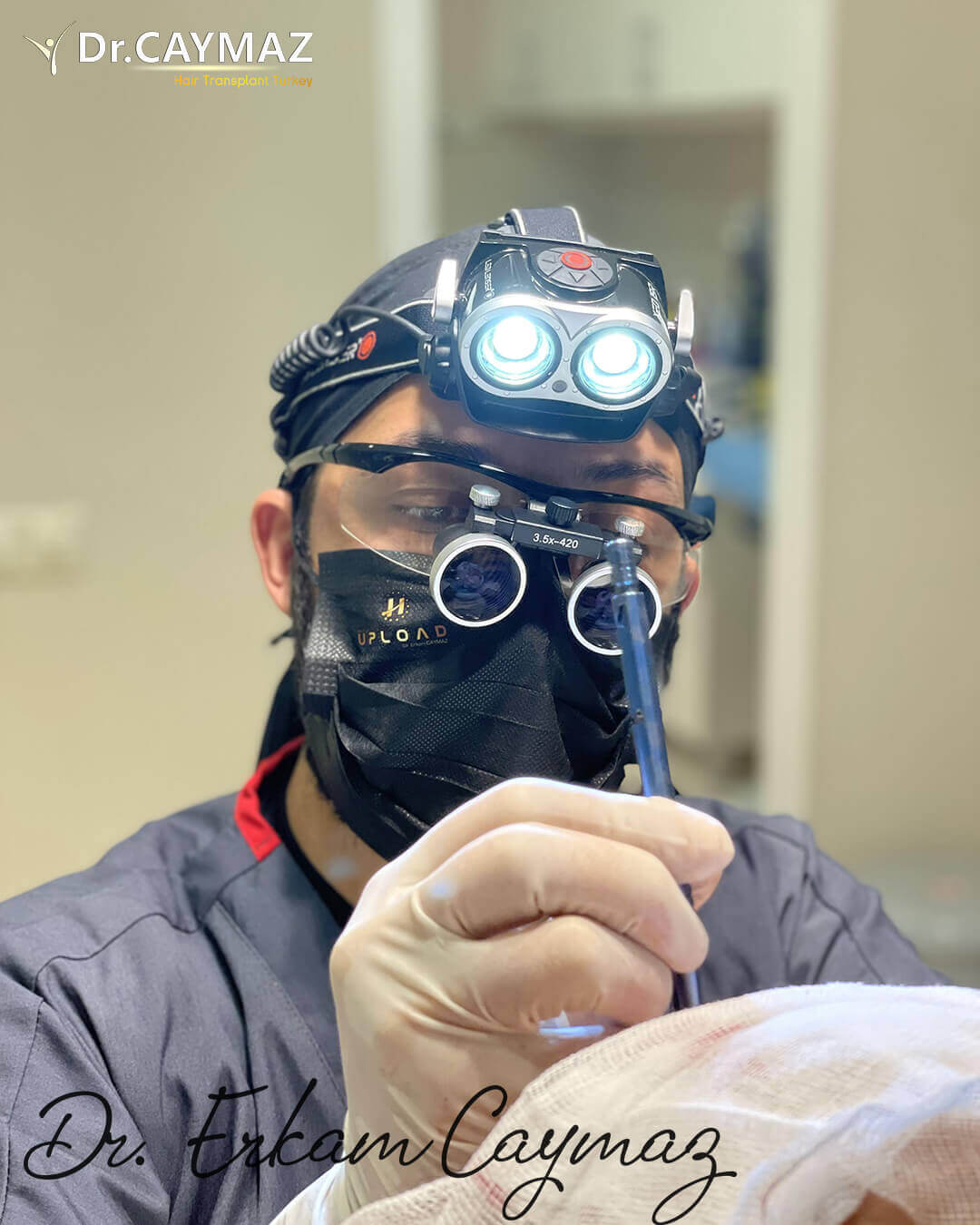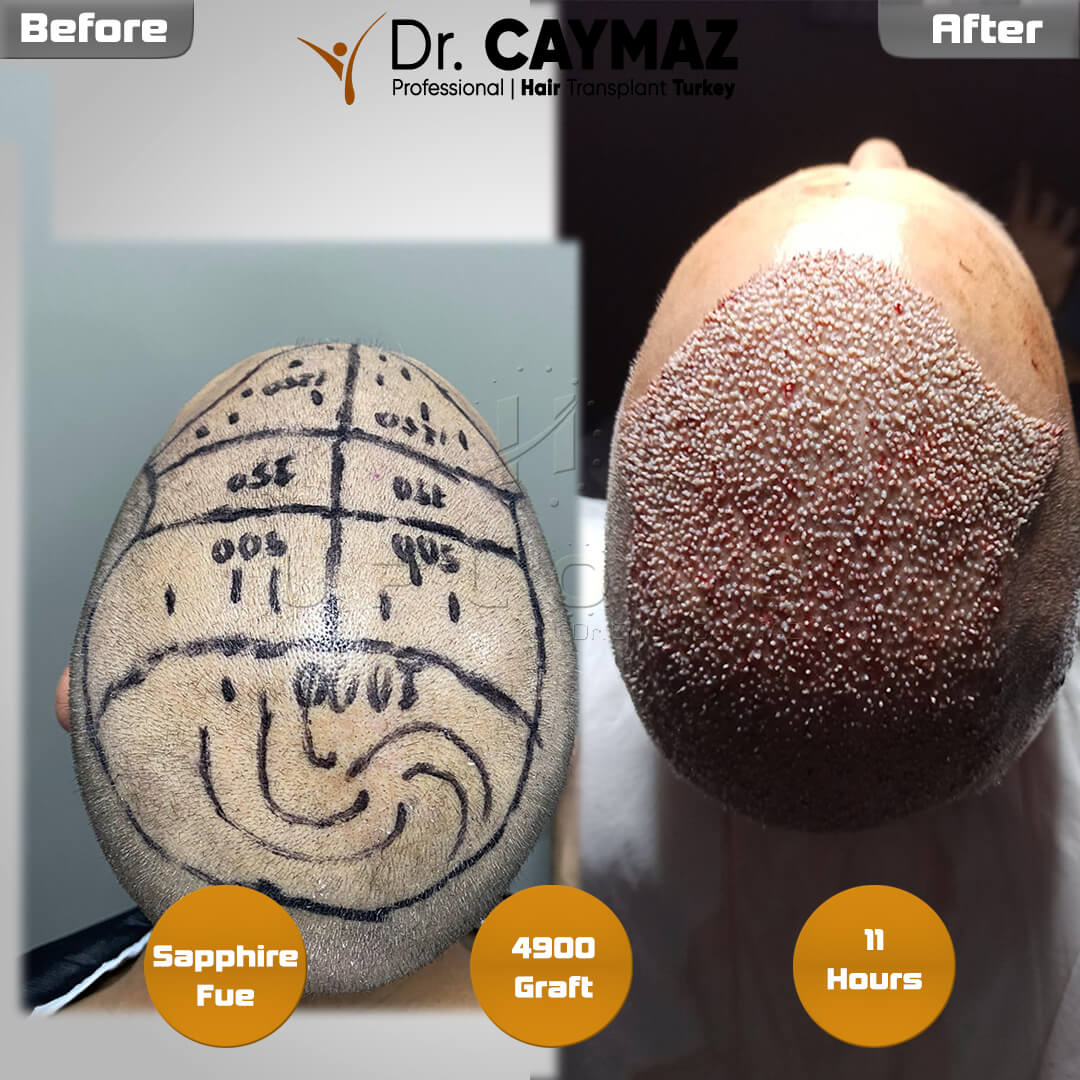
About FUE Hair Transplant
FUE Hair Transplant, also called follicular unit extraction or simply follicular unit transplantation, is a surgical procedure whereby the physician or surgeon removes individual hair cells from an individual donor area of the head, usually the back and sides of the head. The hair follicle is then replaced with hair cells from the same donor area. This is then done in order to create a symmetrical appearance, which would not otherwise be possible with transplants.
This process is meant to give a symmetrical appearance and give the recipient the possibility of re-growing their hair after the transplant procedure has been completed. With FUE hair transplants there is no need for scarring on the patient’s head. This is why it has become increasingly popular.
In order to be eligible for this procedure, the person has to have at least half of their hair removed. This is actually a requirement by the FDA as they want to be able to see that the hairs were completely removed from the scalp prior to the transplant.
Recommendations for FUE hair transplantation
Patients must also have at least three hundred hairs in their hair, so they’re counted from top to bottom instead of left to right. Some people are lucky enough to have two hundred hairs removed from their head and then grow those at a rate that they’re comfortable with. This is possible since some people have a very high threshold for hair loss and therefore, the doctor can use this to assess whether or not you’ll be suitable for transplant. This is why it is important for them to have a clear picture of how many hairs you have removed.
The doctor will then conduct a series of tests to determine if you’re a good candidate for the procedure. He will use imaging techniques such as an ultrasound, CT scan, MRI, X-rays and other methods of examining your skin and scalp in order to determine if your hair loss is indeed permanent and it is only temporary.
After the examination of your skin and scalp the doctor will then decide whether you’ll be allowed to undergo the FUE hair transplant or whether he or she will recommend that the hair be shaved off of your head and transplanted into another part of your body. If you have the option, the doctor will advise you to remove all hairs from your head and replace it with hairs taken from another area of your head.
Recommendations for Sapphire FUE hair transplantation
Once you have completed the procedure, the surgeon will then shave away the hairs from the donor areas and then re-grow them on the other parts of your head. This process can take between four and seven weeks depending on the condition of your scalp. You’ll then be able to shave the hairs that were removed from your scalp, but will be left with hair growth on the remaining hairs.
This hair growth can be monitored with a special device that is used to track the amount of hair that is being made from the donor areas. As your hair grows, it will continue to grow at a faster rate than the hairs that have been removed. You’ll also notice the hair growth that has been removed receding as well. The procedure will take around one to two months to completely stop hair from falling out.

It is important that you keep the hair on your head trimmed because the FUE hair transplant will cause scarring to the areas where the hairs are removed. You’ll also need to keep your head covered when you’re active so that you don’t get any infections from the scalp or from touching the treated areas.
The most important thing to remember about FUE hair transplant is that you should take care of yourself and stay healthy during this process. Eating well and exercising will make sure that your body is ready to accept this surgery.

Hair loss may affect your ability to go to work, date or even perform other activities. Therefore, it is imperative that you seek the advice of a doctor and learn about the different options that are available to you before you start to experience hair loss.
Recovery & planning guides:
Written by : Priya Sharma