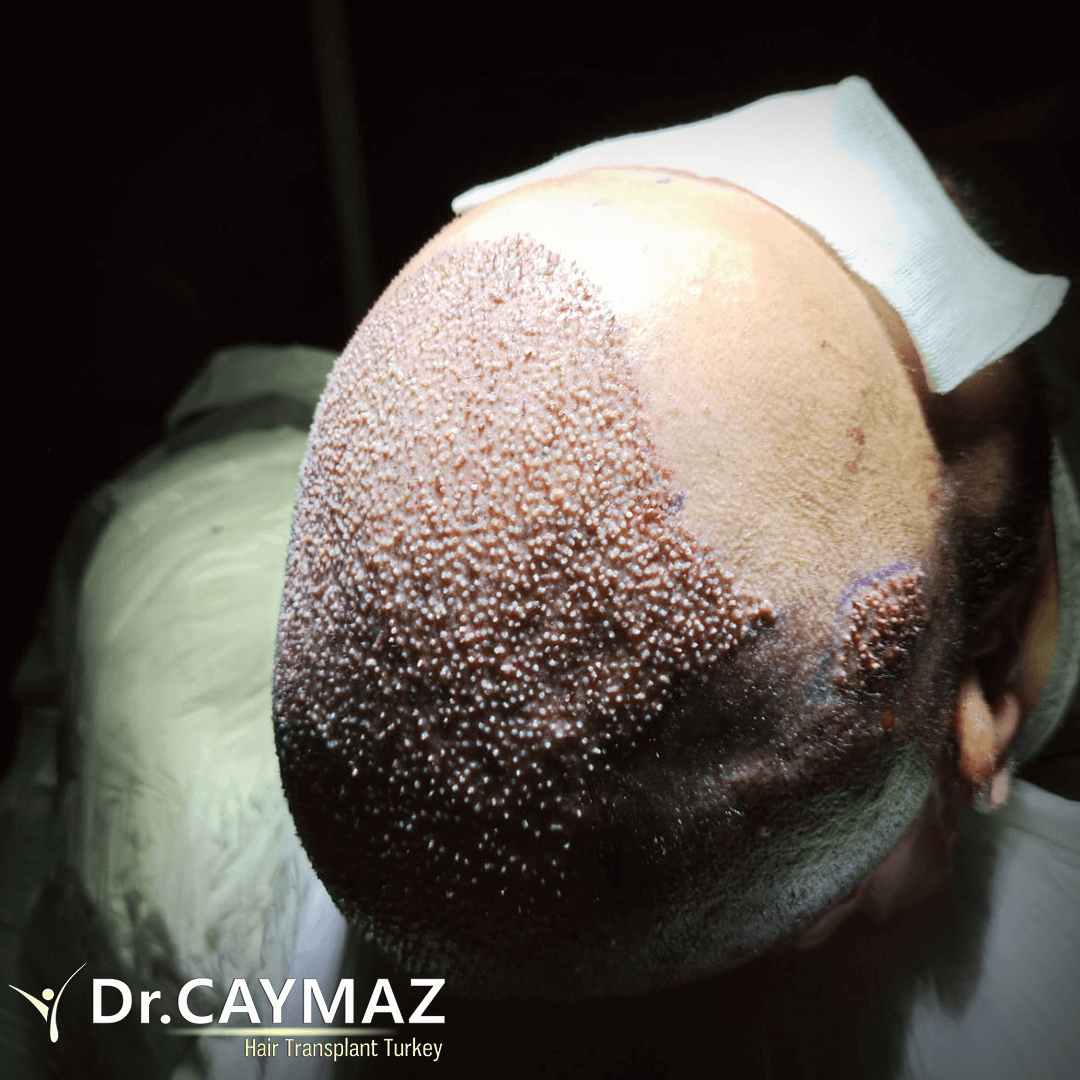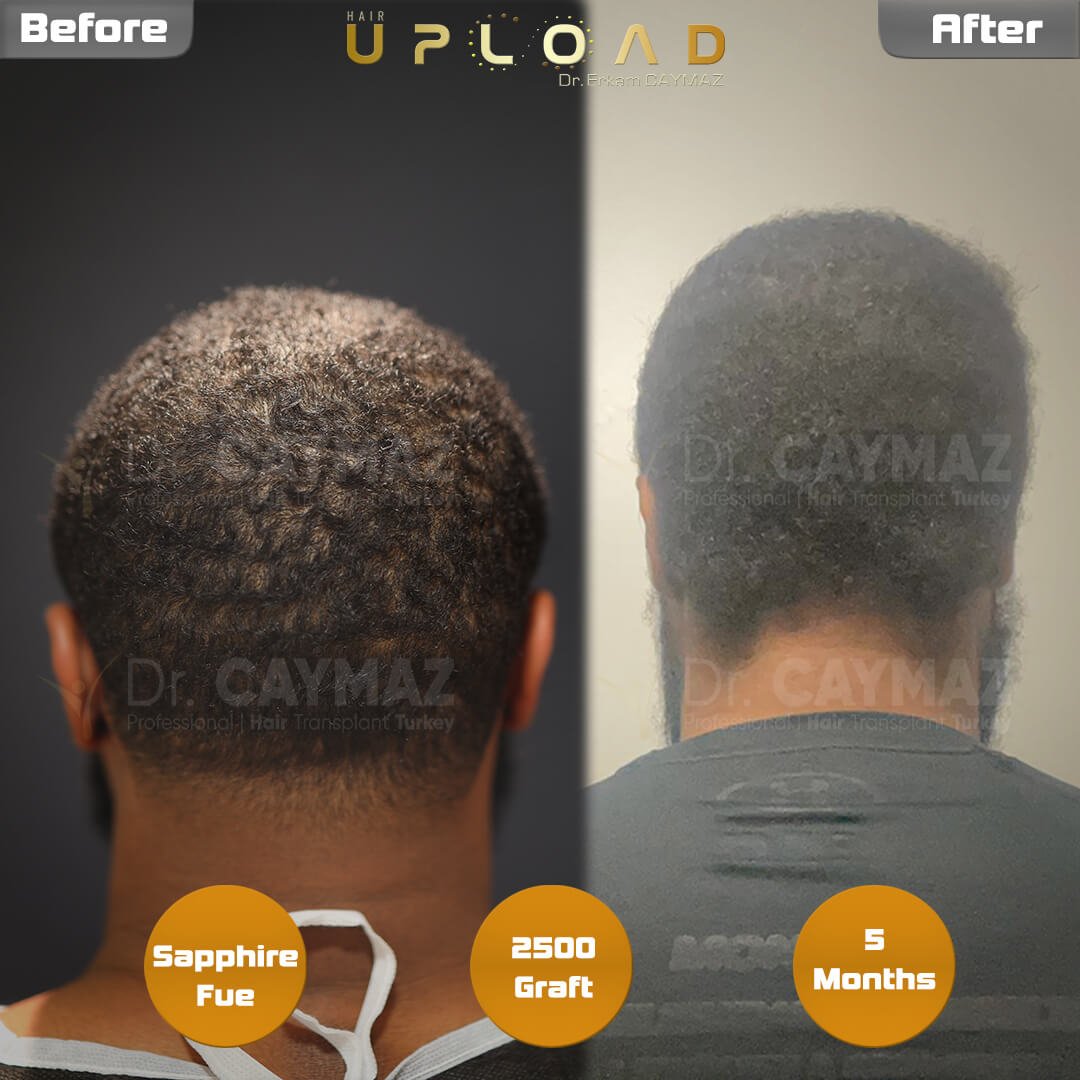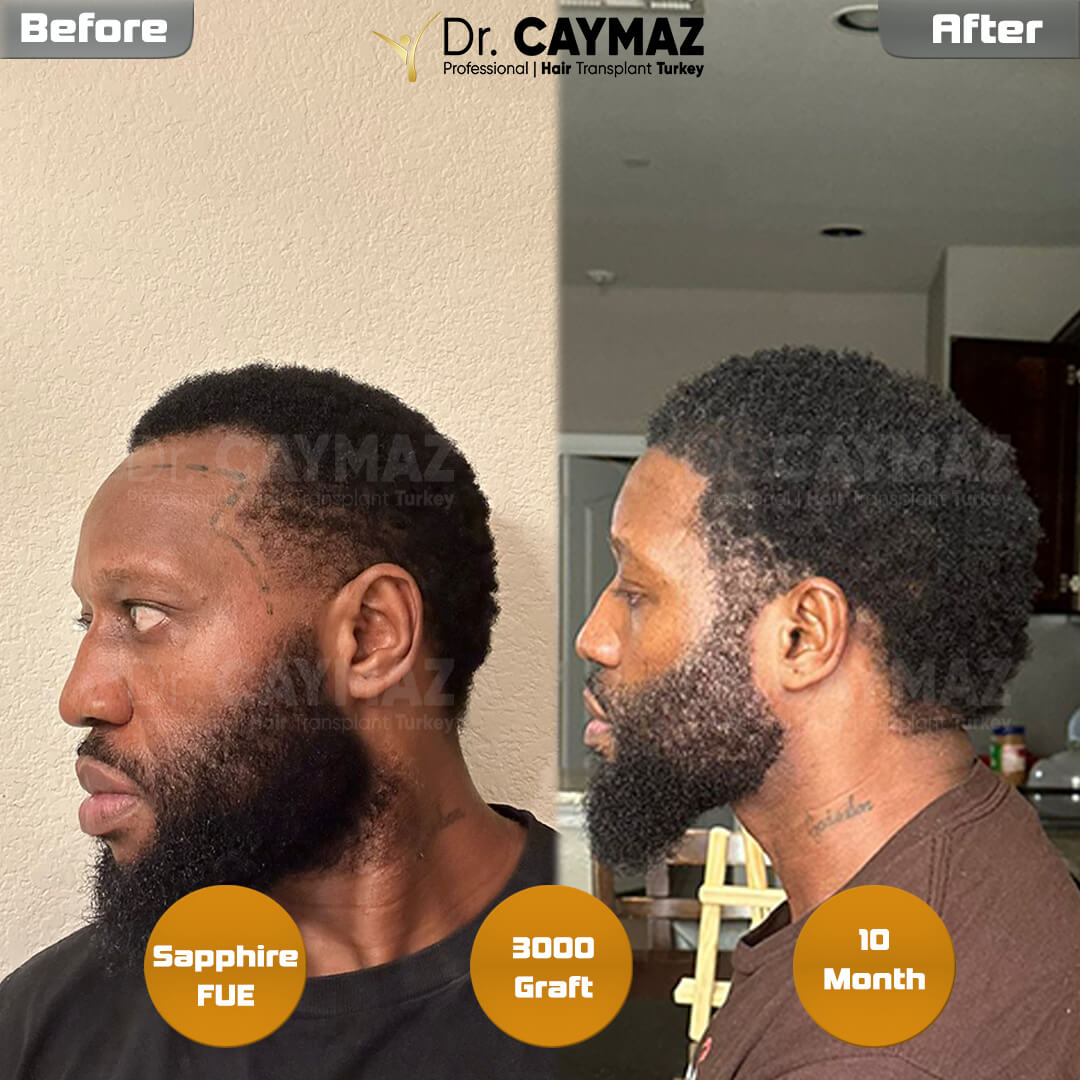

Most clinics, including Hair Upload Clinic in Istanbul, ask patients to stop alcohol at least 7 days before a hair transplant. Alcohol thins the blood, worsens bleeding during surgery, dehydrates the donor area, and slows healing. Here’s what Dr. Erkam’s team advises and why the timeline matters.
Direct answer: why alcohol and hair transplant surgery don’t mix
Alcohol affects a hair transplant at three separate points: before, during, and after surgery. Before the operation, alcohol alters platelet function and dilates small blood vessels, which increases bleeding when grafts are extracted and implanted. During the operation, extra bleeding obscures the surgical field and can compromise how precisely recipient sites are made. After the operation, alcohol dehydrates the body and the grafts, and it widens blood vessels in the scalp at exactly the time the new grafts need stable, quiet circulation to anchor.
At Hair Upload Clinic in Istanbul, the standard instruction is simple: no alcohol for at least 7 days before your procedure, and at least 10–14 days after. That’s not a formality. It’s one of the few pre-operative factors patients fully control, and it has a measurable effect on both bleeding during surgery and graft survival afterwards. Because HU Clinic performs Sapphire FUE and DHI under local anaesthesia with careful haemostasis control, anything that thins the blood works directly against the surgical technique.
Who this applies to: candidacy and honest self-assessment
These rules apply to every patient, but the stakes differ by person. If you’re a regular, moderate drinker, a glass of wine five days before surgery won’t derail your result, but the recommendation remains one week of abstinence. If you drink heavily or daily, tell your surgeon honestly during consultation. Heavy alcohol use affects the liver, and the liver produces the clotting factors your body relies on during any surgical procedure. In those cases, Dr. Erkam may request basic blood work, including liver function and coagulation panels, before clearing you for surgery.
There’s a second group worth mentioning: patients who combine alcohol with other blood-thinning substances, such as aspirin, fish oil, or certain herbal supplements. The combined effect on bleeding is larger than either alone. During your pre-operative consultation, disclose everything: alcohol habits, medications, supplements, and smoking. Surgeons can plan around almost anything, but only if they know about it. Patients travelling to Istanbul for their procedure should complete this disclosure before booking flights, so any blood tests can be arranged in advance.
If you’re still evaluating if you are a candidate at all, the quality and density of your donor area planning guide consultation matters more than lifestyle factors. Alcohol is modifiable; donor supply is not.
What alcohol actually does: the mechanism, step by step
Understanding the timeline helps patients follow the rules rather than just tolerate them. Here’s the physiology in plain language:
1. Platelet interference (within 1–24 hours of drinking). Alcohol suppresses platelet aggregation. Platelets are the first responders when a vessel is cut; they clump together and form the initial plug. When they’re sluggish, even micro-incisions in the donor and recipient areas ooze longer.
2. Vasodilation (during and after drinking). Alcohol widens peripheral blood vessels. During extraction and implantation, dilated vessels bleed more freely. After surgery, vasodilation increases swelling and can disturb the fragile early attachment of implanted grafts.
3. Dehydration (24–72 hours after drinking). Alcohol is a diuretic. It pulls water out of tissues, including skin. A hair transplant graft is living tissue that survives its first days by absorbing moisture from surrounding tissue until new blood supply forms at roughly day 3–5. A dehydrated scalp is a hostile environment for that transition.
4. Liver and clotting-factor effects (long-term use). Chronic heavy drinking reduces the liver’s production of clotting factors II, VII, IX, and X. This doesn’t resolve in a week, which is why heavy drinkers need proper medical screening before any elective surgery.
5. Interaction with anaesthesia and medication. Alcohol changes how the body processes local anaesthetics and post-operative pain relief. At HU Clinic, procedures are performed under local anaesthesia only, and a patient’s recent alcohol intake is factored into dosing and drug selection.
Key comparison: alcohol timeline before and after surgery
| Period | What alcohol does | Clinical risk | Recommended rule |
|---|---|---|---|
| 7+ days before | No measurable effect on platelets or vessels | Minimal | Safe baseline; stop here |
| 48–72 hours before | Platelet suppression begins, mild dehydration | Increased ooze during incisions | Strictly avoid |
| Night before | Vasodilation, poor sleep quality, dehydration | Excessive bleeding, harder anaesthesia, poor graft visibility | Absolutely no alcohol |
| Day of surgery | Combined bleeding + anaesthetic interaction | Procedure may be postponed | Zero tolerance |
| Days 1–10 after | Dehydrates grafts, widels vessels, disrupts sleep | Reduced graft survival, more swelling | Avoid completely |
| Days 10–14 after | Effects taper as grafts anchor | Low but avoidable | First small drink OK around day 14 if healing is normal |
Does one drink really matter? Risks in proportion
Patients deserve proportion, not fear. A single beer 8 days before surgery is clinically irrelevant. A bottle of wine the night before is a genuine problem, and most responsible clinics will postpone the procedure rather than operate through excessive bleeding. The real risks sit on a spectrum:
During surgery: increased bleeding means the surgical team spends more time on gauze pressure and visibility, the procedure runs longer, and both extraction and implantation become less precise. Bleeding also flushes out grafts before they settle, and it can wash away the fine control needed for dense packing.
First 72 hours after: this is when grafts are held only by fibrin bonds and tissue contact. Anything that destabilises the scalp environment, dehydration, vasodilation, rubbing, or swelling, works against those bonds.
Weeks 1–3: alcohol disrupts sleep quality, and sleep is when tissue repair peaks. Poor sleep and alcohol-related dehydration together slow epithelialisation of the donor area.
HU Clinic reports overall success in the range of 90–95% with graft survival up to 98% when protocols are followed. Pre-operative alcohol avoidance is one of the behaviours that keeps patients in that upper band. No clinic can guarantee 100% outcomes, and patients who ignore pre-operative instructions accept avoidable risk.
Aftercare timeline: alcohol alongside the healing calendar
Day 0 (surgery): hydrate aggressively with water. You’ll have fasted from alcohol for a week; keep it that way.
Days 1–3: the grafts’ critical anchoring phase. Water intake matters more now than at any other point. No alcohol, no smoking, no strenuous activity.
Days 4–10: swelling subsides and washing protocols begin. Alcohol remains off-limits because grafts are still securing their blood supply.
Days 10–14: most patients with normal healing can resume light alcohol consumption around the two-week mark, ideally after their follow-up review. If you had significant swelling or slow donor healing, wait longer.
Months 1–12: occasional moderate drinking has no documented effect on the transplanted hairs. Chronic heavy drinking, however, is associated with nutritional deficiencies and inflammation that aren’t ideal for long-term hair health, transplanted or native.
Patients who want the full day-by-day recovery schedule can read HU Clinic’s detailed hair transplant recovery timeline alongside this article.
Practical notes for international patients travelling to Istanbul
Most of HU Clinic’s patients fly in for a 3–4 day trip, which creates a predictable temptation: the celebration drink before flying home, two or three days after surgery. Don’t. The grafts are still in their anchoring phase when you board your flight. Cabins are dry, flights are dehydrating, and alcohol compounds both problems.
A few practical rules for the travel window:
Before you fly in: stop alcohol one week before your procedure date, not one week before your flight. If your surgery is on a Tuesday, your last drink is the previous Tuesday.
The night before surgery: some patients use alcohol to calm nerves and sleep. It backfires. Alcohol fragments sleep and dehydrates you. Ask the clinic about appropriate alternatives instead.
After surgery, before flying home: water, walks, and the prescribed medication schedule. If you’re celebrating the end of a nervous wait, save the toast for week two, at home, once the grafts are secure. Patients combining surgery with a longer stay can review the travel and accommodation guide for a realistic itinerary.
During your consultation, Dr. Erkam reviews every patient’s alcohol intake, medication list, and bleeding history personally, because surgical planning at a boutique clinic is done by the surgeon, not a sales desk. Extraction and implantation are carried out by the expert technician team under his direct supervision, and every step of that workflow depends on a clean, well-controlled surgical field. Alcohol is one of the easiest variables to eliminate, so it’s one of the first things addressed.
Common patient questions answered briefly
Can I drink 48 hours before if I only had one glass? One glass at 48 hours is a smaller risk than a bottle, but the safest answer is no. Platelet effects begin within hours of any intake. Keep the 7-day rule.
What about non-alcoholic beer or wine? Yes, these are fine. They don’t carry the platelet, vasodilation, or dehydration effects. They solve the ritual, not the physiology.
Does alcohol affect the donor area differently than the recipient area? The donor area, typically the back and sides of the scalp, heals by secondary intention across hundreds of small extraction points. Bleeding and dehydration there prolong healing and can worsen the visibility of white dot scarring. Good donor management starts long before surgery day, which is why HU Clinic invests serious consultation time in donor area evaluation rather than treating it as an afterthought.
I forgot and drank 4 days before. Should I reschedule? Contact the clinic. One standard drink at day 4 is usually manageable with hydration; heavy drinking at day 4 usually warrants a short delay. Don’t hide it. Surgeons can only plan around what they know.
Final clinical note
Alcohol abstinence isn’t a box-ticking exercise. It’s one of the clearest examples of how patient behaviour translates directly into surgical conditions and graft outcomes. One week before, two weeks after, honest disclosure throughout. Pair that with the clinic’s complete pre-surgery instructions, stay hydrated, and you’ve removed a major avoidable variable from your result. Every patient’s health profile differs, so treat this as education, not a personal prescription. If you have liver conditions, clotting disorders, or daily medication, your individual assessment may require additional testing or an adjusted timeline.
Clinic insight: At HU Clinic in Istanbul, Dr. Erkam reviews each patient’s alcohol intake, medication list, and bleeding history personally during surgical planning, because bleeding control in Sapphire FUE depends on a clean surgical field; patients who follow the 7-day pre-operative rule consistently present calmer operative conditions and stronger early graft retention.
Frequently Asked Questions
How long before a hair transplant should I stop drinking alcohol?
Plan for a minimum of 7 days without alcohol before your procedure. Alcohol suppresses platelet function and widens blood vessels, both of which increase bleeding during graft extraction and implantation. Heavy drinkers should discuss their intake with the surgeon well in advance, as longer abstinence and blood tests may be needed.
When can I drink alcohol after a hair transplant?
Most patients can have a first drink around day 10–14, provided healing is normal and swelling has resolved. The first 72 hours are the most critical, as grafts are anchored only by fragile tissue bonds and need a hydrated, stable environment to survive.
Does one drink the night before really matter?
Yes. Even a single drink the night before causes vasodilation, dehydration, and poorer sleep, all of which affect bleeding control during surgery. Most reputable clinics will postpone a procedure if a patient arrives having drunk heavily the previous night.
Does alcohol affect graft survival or just bleeding?
Both. During surgery, alcohol-related bleeding reduces visibility and can flush grafts from their sites. After surgery, alcohol dehydrates the grafts during the days when they depend on surrounding tissue moisture until new blood supply forms at day 3–5.
What if I drink regularly or heavily, can I still have a transplant?
Honest disclosure is essential. Chronic heavy alcohol use can reduce liver-produced clotting factors, which doesn’t reverse in a week. Dr. Erkam may request liver function and coagulation blood tests before clearing you for elective surgery, and in some cases will advise delaying the procedure.
Are non-alcoholic beer and wine allowed before surgery?
Yes. Non-alcoholic alternatives don’t carry the platelet, vasodilation, or dehydration effects of real alcohol and are fine before and shortly after your procedure, within the clinic’s general dietary guidance.
Sources: International Society of Hair Restoration Surgery (ISHRS): Patient Information; American Academy of Dermatology: Hair Transplant Overview; PubMed: Alcohol and platelet function: systematic review; PubMed: Alcohol intake and surgical outcomes
Medical disclaimer: This page is for education only and does not replace a consultation with Dr. Erkam at Hair Upload Clinic (HUC). Individual assessment is required.
Written by : Marcus Holloway