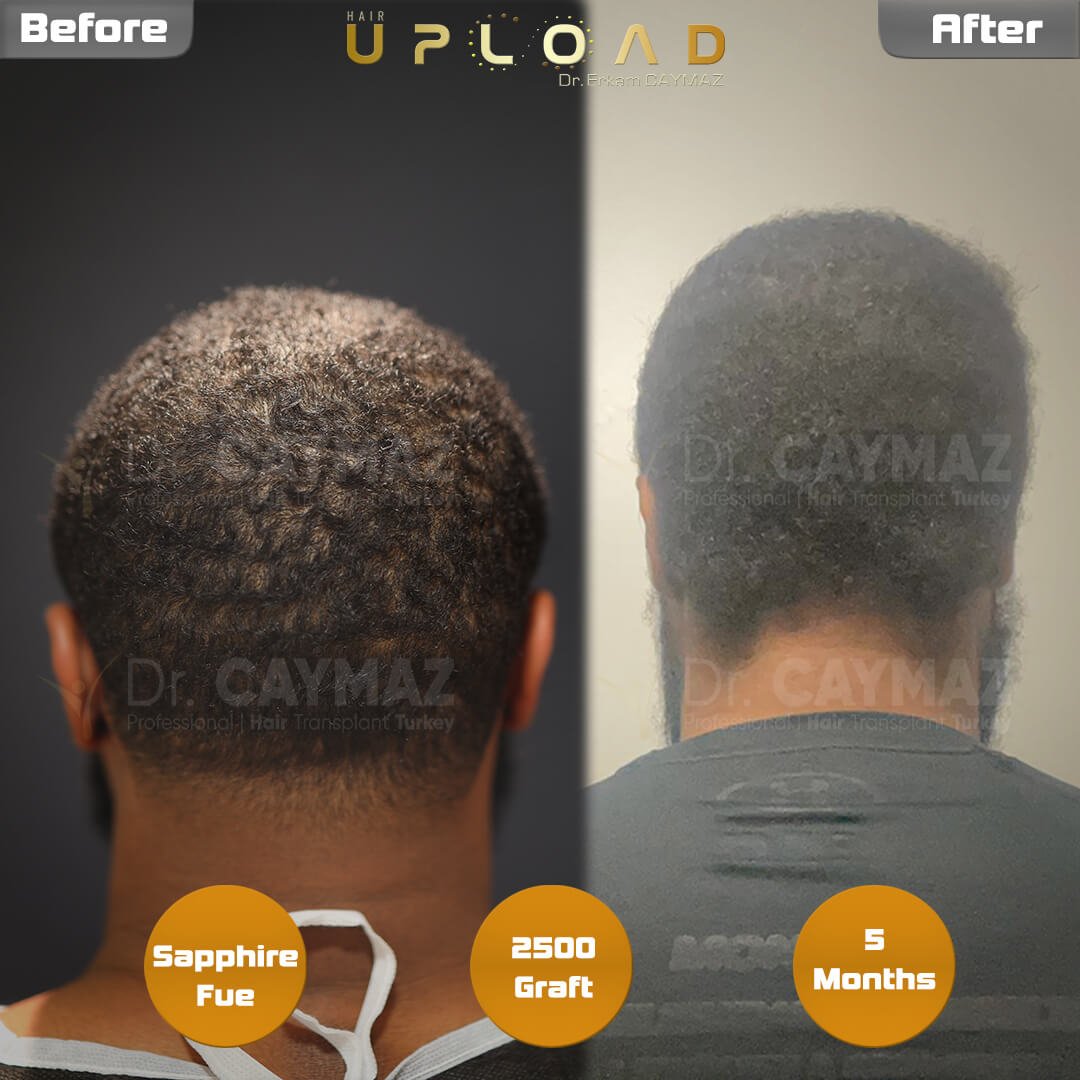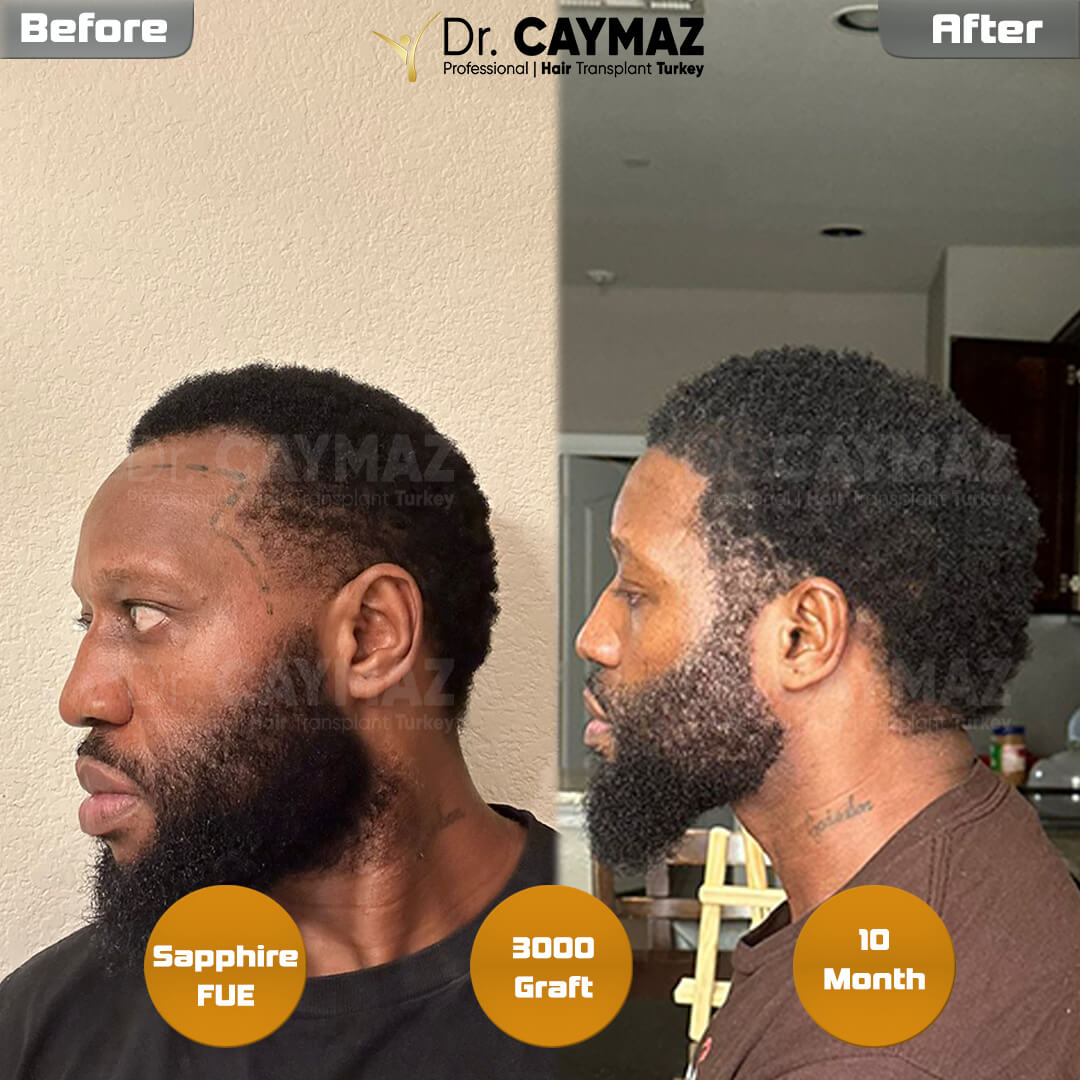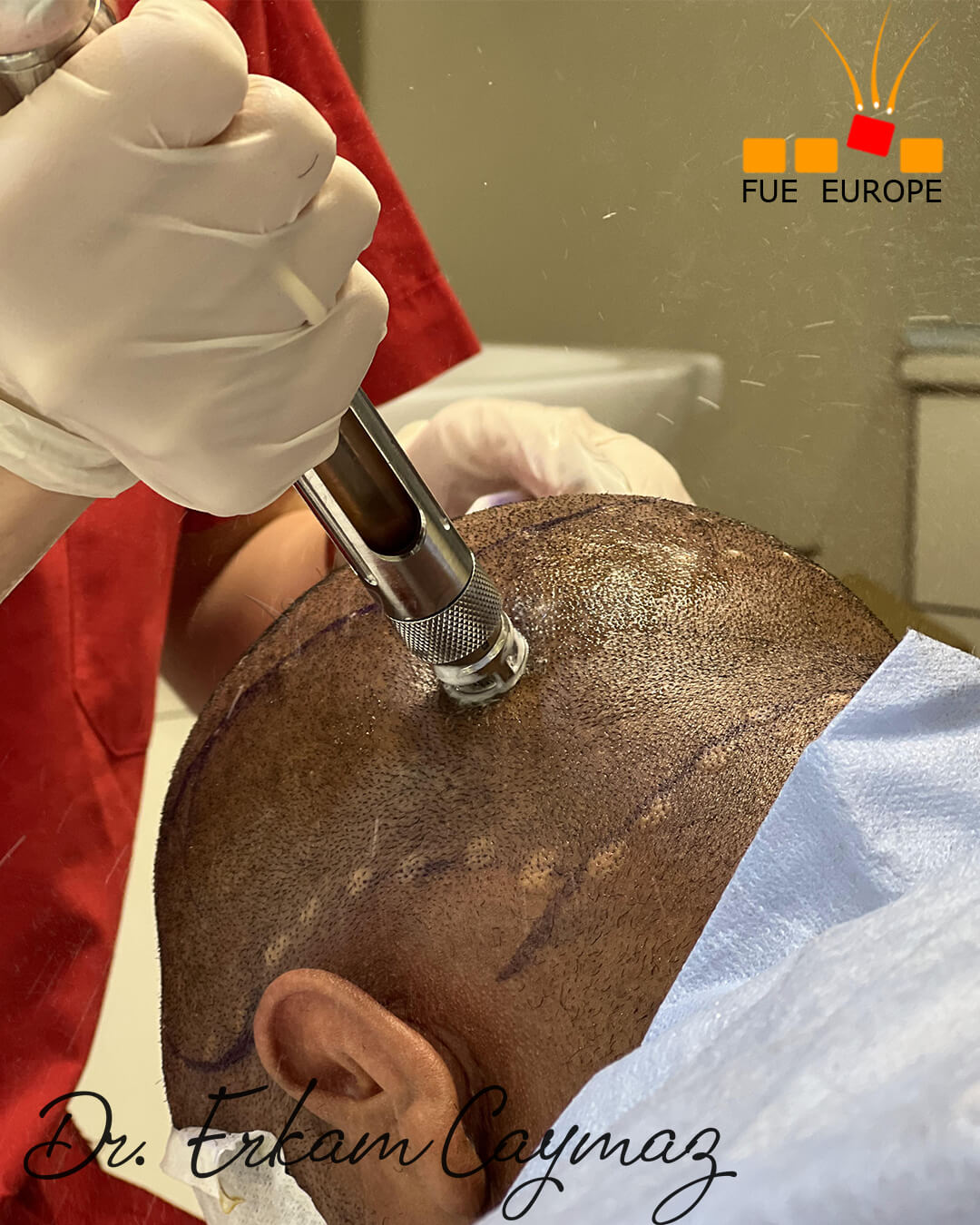
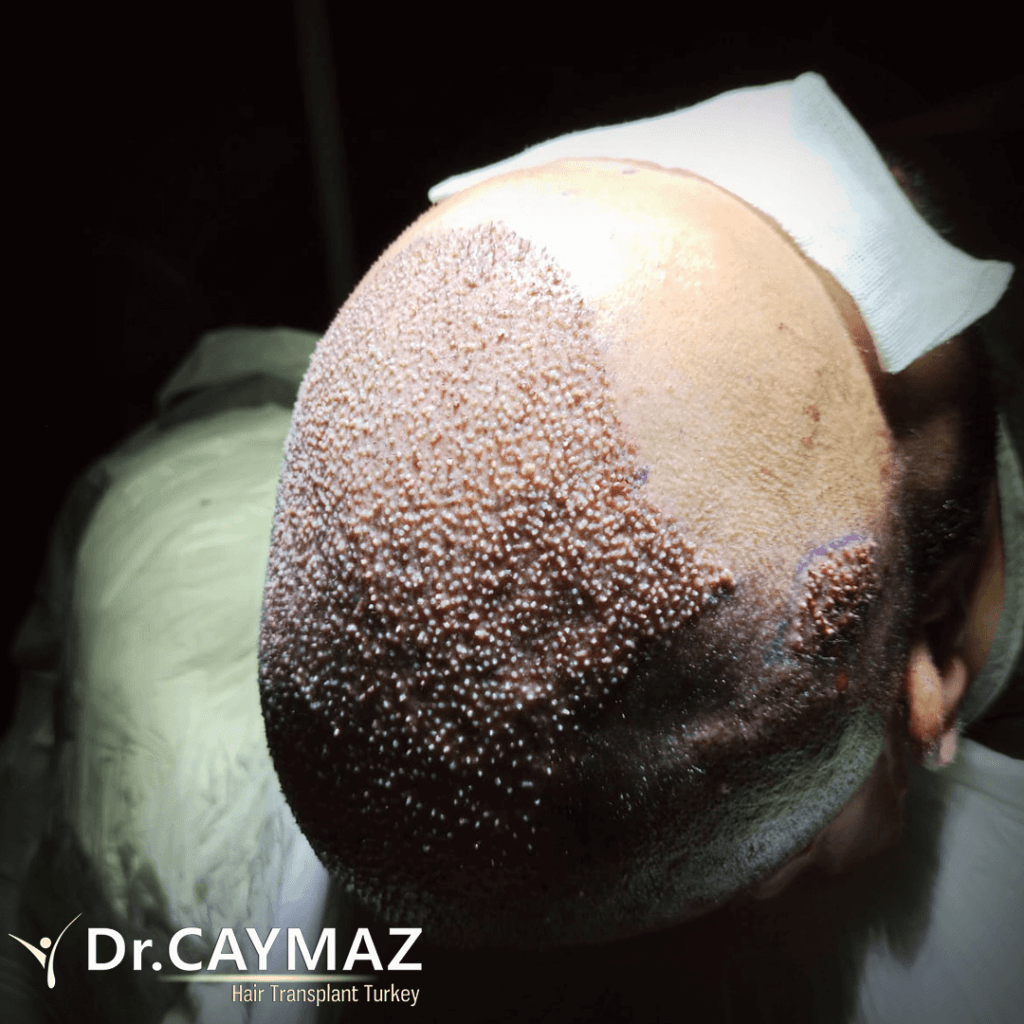
Smoking reduces blood flow to the scalp, and transplanted grafts depend on that blood supply to survive their first days. At Hair Upload Clinic in Istanbul, patients are asked to stop nicotine at least one week before and two weeks after surgery, because compromised circulation can lower graft survival rates.
What smoking does to a hair transplant, in plain terms
A hair transplant works by moving follicular grafts from the donor area to thinning zones. Once implanted, each graft has no blood supply of its own for the first 48 to 72 hours. It survives on plasma from the surrounding tissue until tiny blood vessels reconnect, a process called revascularisation. Nicotine interferes with exactly this window. It constricts the peripheral blood vessels, thickens the blood’s clotting response, and reduces oxygen delivery to the skin, so the grafts get less of what they need most during the most fragile period of the whole procedure.
At HU Clinic in Istanbul, this is treated as a genuine surgical clearance issue, not a lifestyle footnote. Dr. Erkam, the clinic’s owner and lead surgeon, reviews smoking status during consultation planning alongside donor quality and hairline design, because nicotine exposure is one of the few modifiable factors a patient fully controls before surgery day. Many international patients review sapphire FUE technique while planning their trip.
Who needs to take this seriously?
Nicotine precautions apply to more people than many patients expect:
- Current cigarette smokers, even light or social smokers.
- Vapers and e-cigarette users: nicotine is the problem, not the smoke itself.
- Nicotine replacement users: patches, gum, and lozenges still deliver vasoconstrictive nicotine.
- Recent quitters: circulation takes weeks to normalise after the last dose.
- Heavy passive exposure: worth mentioning during consultation, though the risk is smaller.
If any of these describe you, be honest about it during planning. Understating nicotine use doesn’t change your physiology; it just blinds your surgical team to a risk they could have managed. Patients planning their surgery around a visit to Istanbul often ask whether a few cigarettes during travel matter: they do, and the timeline below explains why. For clinic-specific context, see our aftercare instructions.
The mechanism: why nicotine and grafts clash
Three linked effects explain most of the damage:
1. Vasoconstriction. Nicotine triggers release of noradrenaline, narrowing the small vessels that feed the skin. Recipient-site blood flow can drop measurably within minutes of a single cigarette, and the effect persists for hours.
2. Reduced oxygen delivery. Carbon monoxide from cigarette smoke binds to haemoglobin in place of oxygen, so the blood that does reach the grafts carries less oxygen. Vapers avoid carbon monoxide but still face the vasoconstriction from nicotine.
3. Impaired wound healing. Nicotine slows the migration of the cells that close wounds and rebuild tissue, which raises the risk of poor healing at both the donor and recipient sites, more visible scarring, and prolonged crusting.
Grafts transplanted by either of the clinic’s techniques, Sapphire FUE or DHI depending on the case, face the same circulatory bottleneck regardless of the implantation method. There’s no technique that outsmarts bad blood flow; this is why HU Clinic’s position is that smoking cessation matters more than the choice between sapphire blades and Choi pens.
Key comparison: nicotine exposure timeline
| Period relative to surgery | Nicotine status | Effect on graft survival |
|---|---|---|
| 4+ weeks before | Stopped completely | Best-case healing; circulation largely normalised |
| 1–2 weeks before | Stopped completely | Acceptable; standard minimum requirement |
| 72 hours before | Still smoking or vaping | Vasoconstriction present on surgery day; increased risk |
| Days 0–3 after | Any nicotine | Critical revascularisation window; highest risk of graft loss |
| Days 4–14 after | Any nicotine | Slower healing, prolonged crusting, poorer density outcome |
| Weeks 2–4 after | Resumed smoking | Healing mostly established, but scalp skin quality still affected |
Risks and realistic limits
Patients sometimes assume one cigarette won’t matter. In practice, the risks are cumulative and dose-dependent, and they stack with other factors:
- Reduced graft survival. Well-managed cases at HU Clinic achieve up to 98% graft survival and an overall success rate of 90–95%, figures that assume good peri-operative care, including nicotine avoidance.
- Poorer donor healing. Extraction sites in the donor area close by secondary intention; nicotine slows this and can leave wider, more visible micro-scars. Donor quality matters long-term, as our donor area planning guide explains in detail.
- Infection and inflammation risk. Oxygen-poor tissue fights bacteria less effectively.
- More shock loss. Existing native hairs around the recipient zone are also vulnerable to reduced perfusion, which can worsen temporary shedding after the procedure.
It’s worth being precise: no surgeon can guarantee that a specific number of grafts died because of a specific cigarette. The evidence base shows consistent associations, not individual predictions. That’s exactly why clinic policy errs on the side of caution.
What about shisha, cannabis, and other smoking habits?
International patients often ask about smoking habits that don’t involve cigarettes, and the honest answer is that most of them carry similar risks.
Shisha and waterpipes are a common blind spot, especially for patients travelling from the Middle East and Central Asia. A single shisha session can involve far more smoke volume than a cigarette, and the nicotine absorbed is comparable to or higher than a full pack. Because sessions often last 30 to 60 minutes in social settings, the vasoconstrictive exposure is sustained rather than brief. If you smoke shisha regularly, treat it exactly like cigarettes on the pre-op timeline.
Cannabis smoking adds combustion products that impair wound healing regardless of the substance itself, and unregulated products introduce their own variables. The nicotine issue doesn’t apply, but the smoke and carbon monoxide exposure absolutely does.
Cigars and cigarillos sit somewhere in between. Even if you don’t inhale deliberately, nicotine is absorbed through the oral mucosa, and the blood-level spike still reaches the scalp’s circulation.
One common misconception deserves a correction: caffeine is not the same problem. Coffee causes mild, short-lived vascular effects that are clinically different from nicotine’s sustained vasoconstriction. You don’t need to give up coffee before surgery, though moderation on the morning of the procedure helps keep heart rate and blood pressure steady.
Practical timeline for quitting before surgery
Dr. Erkam’s team gives international patients a straightforward protocol:
- Four weeks before: the ideal quit point. Circulation and oxygen-carrying capacity have largely recovered by surgery day.
- Minimum requirement, one week before: no cigarettes, vapes, patches, or gum. Tell the team honestly if this is difficult; a short delay is far better than compromised results.
- Surgery day: nicotine-free, and avoid second-hand smoke on travel to Istanbul.
- First 72 hours after: the critical revascularisation window. Zero nicotine of any kind.
- Days 4–14: continue total abstinence while crusts clear and grafts anchor.
- Weeks 2–4: nicotine exposure is less damaging but still slows skin recovery; most clinics advise waiting until at least the one-month review.
The first two weeks after surgery also involve careful aftercare routines, including washing protocols, sleeping position, and medication schedules, and nicotine avoidance sits alongside these as a core instruction, not an optional extra.
If quitting feels difficult before your surgery date
Most patients who smoke know they should stop, and many have tried before. Rather than repeating generic advice, Dr. Erkam’s approach at Hair Upload is pragmatic. First, surgery can usually be rescheduled. Because the clinic performs one to two VIP operations per day, shifting a date by a few weeks is administratively simple, and a nicotine-free scalp is worth the wait. Second, the consultation is the right place to raise quitting difficulty rather than hiding it, since smoking history influences decisions about session size, timing, and aftercare intensity. Third, patients who plan to use nicotine replacement therapy should discuss it openly, because patches and gum are excellent long-term quitting tools but are still off-limits in the week before surgery and the fortnight after.
A small practical tip that works for many patients: anchor your quit date to your flight booking rather than your surgery date. Travel days involve stress, alcohol, waiting time, and airport smoking areas, which together form the most common relapse scenario reported by international patients. Quitting a few days before you fly builds a buffer before the week that really counts.
Notes for international patients travelling to Istanbul
Travel adds a layer that local patients don’t face. Long flights, airport smoking areas, and holiday-mode habits are the usual pitfalls. Practical advice from the HU Clinic team:
- Book your quit date at least a week before your flight, not your surgery, so travel stress doesn’t catch you unprepared.
- Avoid nicotine patches and gum as a substitute during the pre-op window; they deliver the same vasoconstrictor.
- Plan smoke-free transit. Airport lounges and long layovers are where most relapses happen.
- Arrange smoke-free accommodation for the recovery nights after surgery.
Because HU Clinic performs one to two VIP operations per day, each patient’s medical history, including smoking status, is reviewed individually by Dr. Erkam during planning rather than through a checkbox. If you’re a heavier smoker, say so early; sometimes rescheduling by a few weeks produces a better result than proceeding on schedule.
Frequently missed points worth knowing
A few questions come up repeatedly in consultations:
Cannabis smoking counts too. Combustion products impair healing regardless of the substance, and unregulated products add their own variables.
One cigar at a celebration isn’t harmless. Any nicotine spike during the first two weeks works against the grafts.
Quitting doesn’t disqualify you. Former smokers with normal circulation are not treated differently from never-smokers once recovery timelines have passed.
Your result isn’t doomed if you slipped once. One lapse raises risk; it doesn’t guarantee failure. Disclose it at your review so healing can be monitored appropriately.
The bottom line
Nicotine is one of the most controllable threats to a hair transplant’s success. The grafts you pay for, the hairline design planned by Dr. Erkam, and the surgical precision of Sapphire FUE or DHI all depend on one biological process: blood vessels reconnecting to each graft in the first days after surgery. Smoking quietly undermines that process. Stopping nicotine a week before surgery at minimum, ideally four weeks, and staying clean for two weeks afterwards is the single most valuable thing a patient can do to protect their investment and their result. Individual circumstances vary, so raise your smoking history during consultation and follow the specific guidance given for your case.
Clinic insight: At HU Clinic in Istanbul, Dr. Erkam reviews each patient’s nicotine use individually during surgical planning and prefers delaying surgery by a few weeks over operating on a compromised scalp, because no technique, Sapphire FUE or DHI, can compensate for reduced blood flow during the graft revascularisation window.
Frequently Asked Questions
How long before a hair transplant should I stop smoking?
The minimum requirement at HU Clinic is one week of complete nicotine abstinence before surgery, including cigarettes, vapes, patches, and gum. Ideally, stop four weeks before so circulation and oxygen delivery fully normalise before grafts are implanted.
Does vaping affect graft survival the same as smoking?
Vaping avoids carbon monoxide but still delivers nicotine, which is the main vasoconstrictor. It reduces blood flow to the scalp in a similar way, so it carries most of the same graft-survival risk and should be stopped on the same timeline.
When is it safe to smoke again after a hair transplant?
The first 72 hours are the critical revascularisation window and nicotine must be avoided completely. Most clinics, including Hair Upload Clinic, advise total abstinence for at least two weeks, and ideally until the one-month review.
Will smoking ruin my hair transplant completely?
Not necessarily, but it meaningfully raises the risk. Graft survival can drop, healing slows, crusting lasts longer, and final density may be thinner. One lapse doesn’t guarantee failure, but consistent smoking during the early recovery period is the most damaging pattern.
Do nicotine patches or gum count as smoking for surgery purposes?
Yes. Nicotine replacement products deliver the same vasoconstrictive substance that reduces scalp blood flow. They’re useful for quitting long-term, but they should also be stopped at least a week before surgery.
Does shisha or waterpipe smoking carry the same risk as cigarettes?
Yes, and often higher. A single shisha session can deliver nicotine comparable to a full pack of cigarettes over a sustained period, so the vasoconstrictive effect on scalp blood flow is at least as significant and needs the same pre-op abstinence window.
Does smoking affect the donor area as well as the transplanted hair?
Yes. Extraction sites in the donor area heal by closing on their own, and nicotine slows this process, which can leave wider, more visible micro-scars and reduce donor quality for any future procedures.
Sources: PubMed: systematic review of smoking and surgical outcomes; PubMed: nicotine’s effects on wound healing and tissue perfusion; ISHRS patient resources; American Academy of Dermatology: hair loss overview
Medical disclaimer: This page is for education only and does not replace a consultation with Dr. Erkam at Hair Upload Clinic (HUC). Individual assessment is required.
Written by : Elena Vasquez