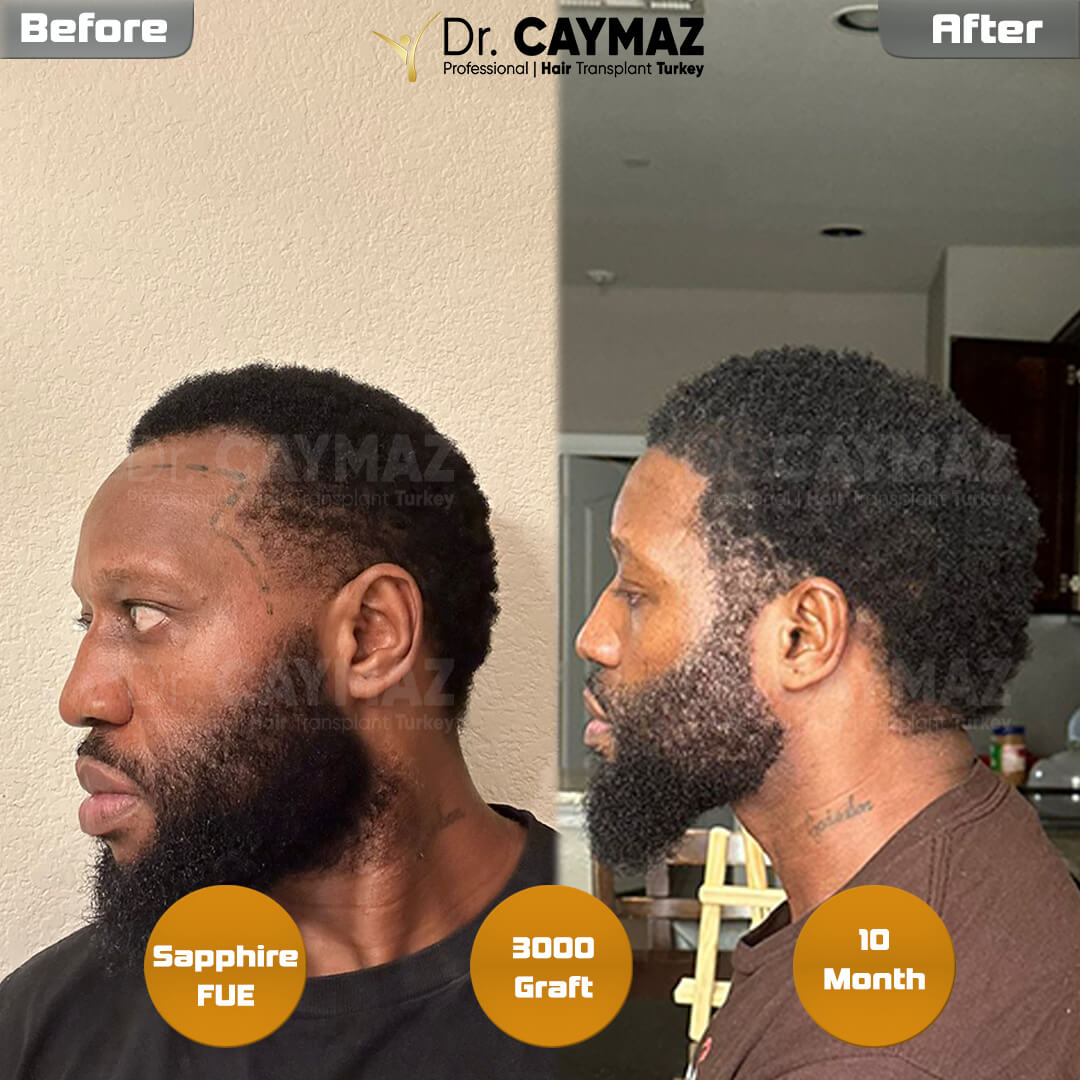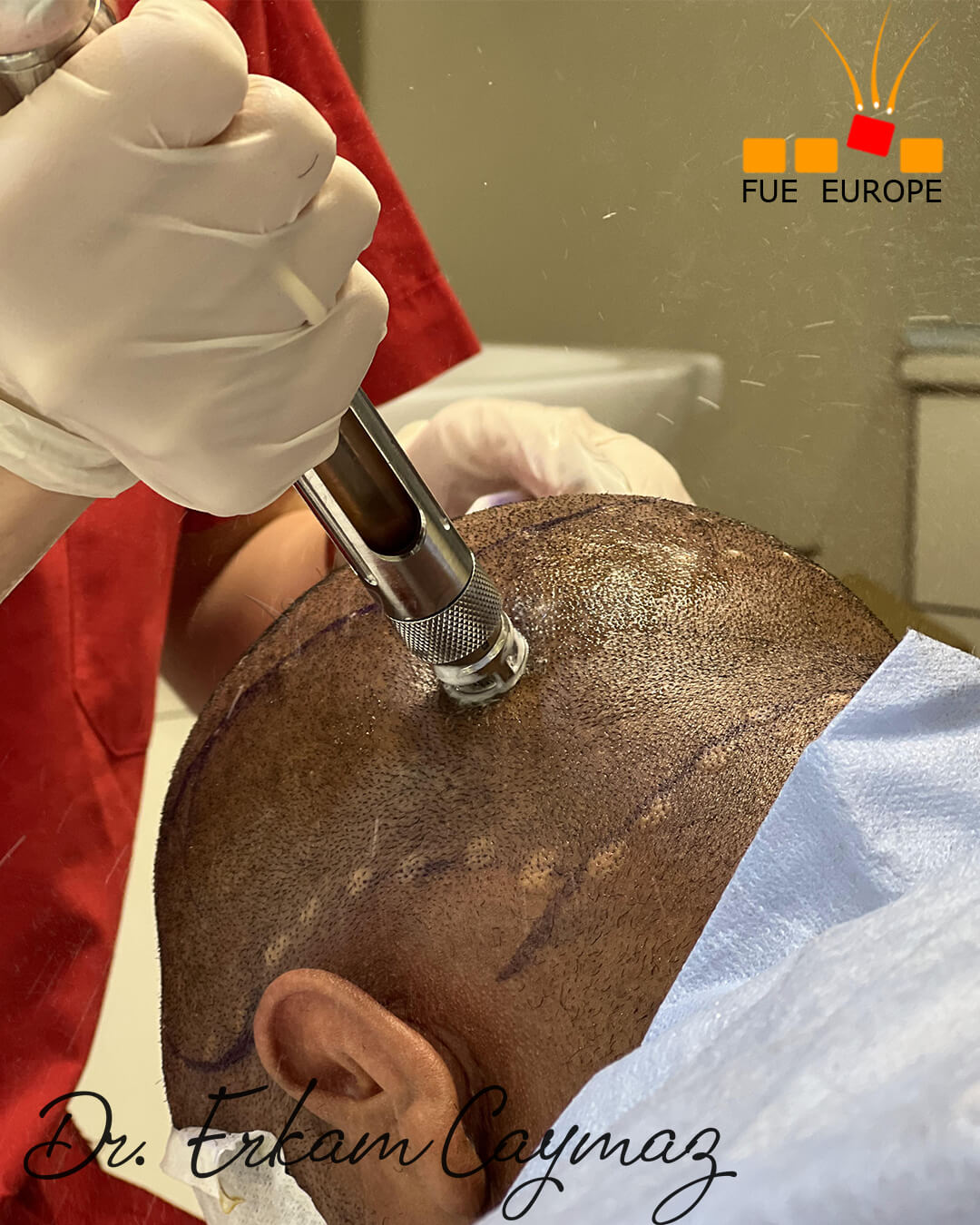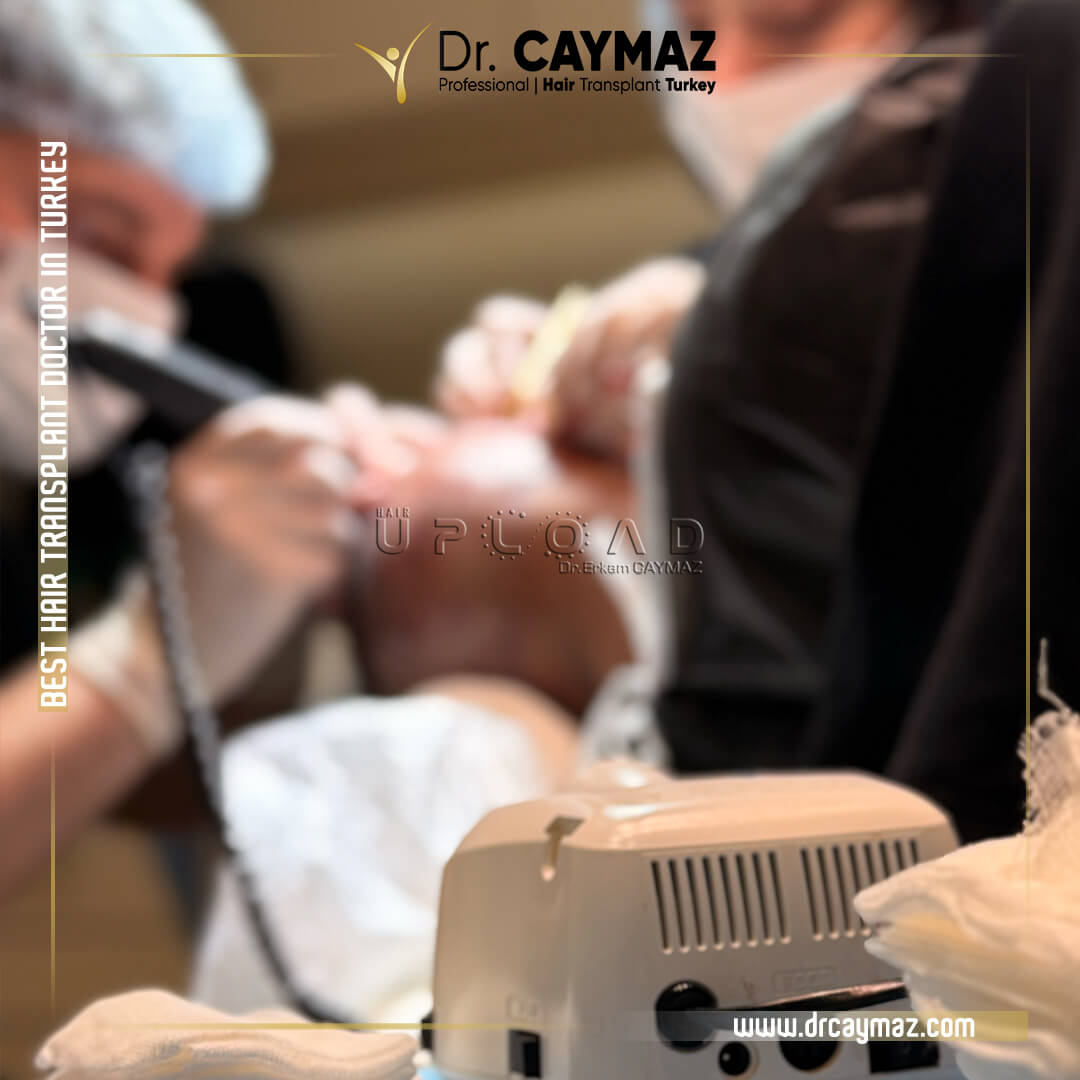
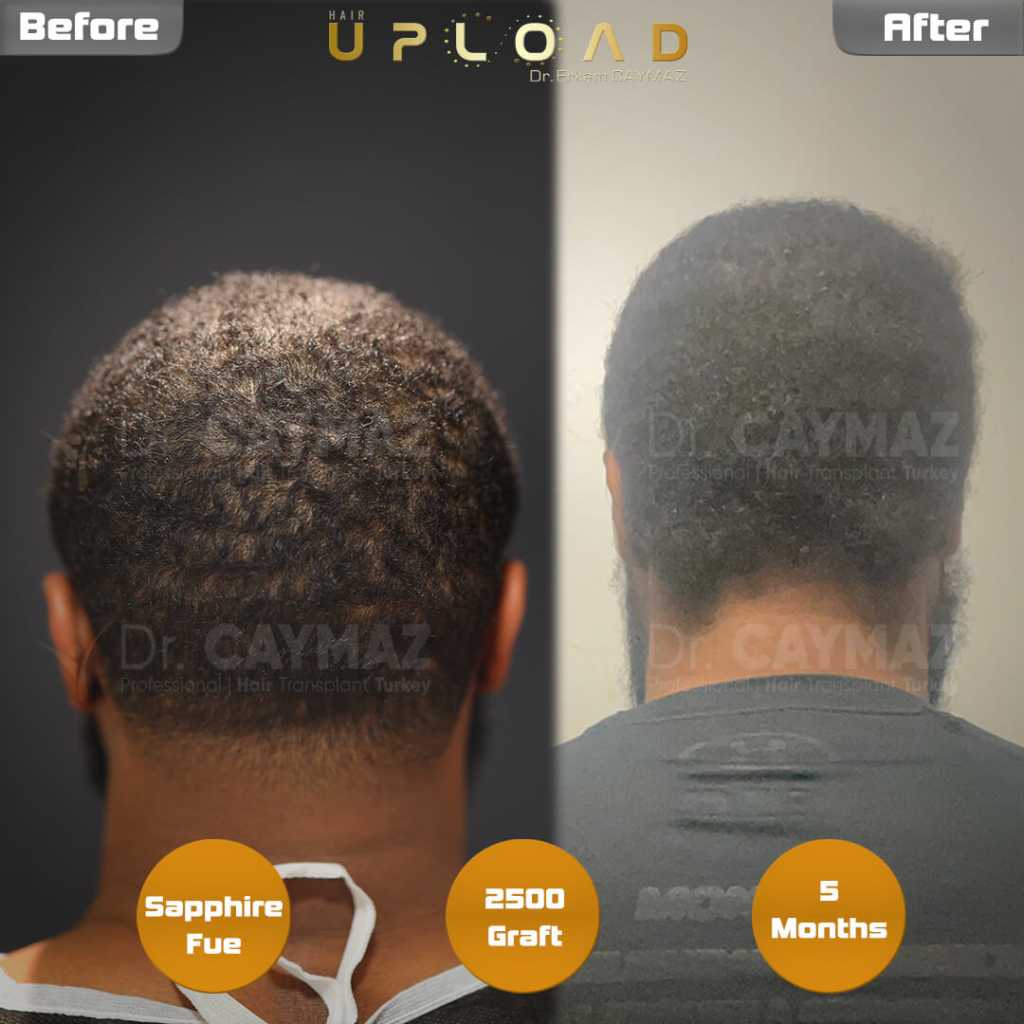
Sapphire FUE blades offer enhanced precision for creating recipient sites during hair transplantation, leading to minimal tissue trauma and faster healing. At Hair Upload Clinic in Istanbul, owner-surgeon Dr. Erkam personally performs these crucial incisions.
Understanding Sapphire FUE Blades: Beyond Marketing Hype
When you’re researching hair transplant options, terms like “Sapphire FUE” will inevitably surface. While the name suggests advanced technology, it’s vital to grasp what sapphire blades genuinely contribute to the surgical process and how their marketing claims align with the realities of a successful hair transplant. At its core, Sapphire FUE is a refined variation of the Follicular Unit Extraction (FUE) method, primarily distinguished by the material used for creating the recipient channels in the balding area.
Sapphire blades are crafted from monocrystalline aluminium oxide, a precious gemstone known for its extreme hardness, smoothness, and remarkable sharpness. Unlike traditional steel blades, these allow for incredibly precise, V-shaped micro-incisions in the recipient area. This precision is frequently highlighted in marketing, and for good reason: it genuinely offers tangible benefits in terms of graft fitting, direction, and reduced tissue trauma. However, it’s crucial to understand that the blade itself is merely an advanced tool. Its effectiveness is entirely dependent on the surgeon’s skill, experience, and artistic vision. A premium tool in inexperienced hands won’t yield premium results, underscoring the importance of choosing a surgeon-led clinic like Hair Upload.
Historically, hair transplant procedures evolved from using larger punch grafts to finer steel blades, and now, sapphire blades represent the next step in refining the incision process. The V-shaped channels created by sapphire blades differ from the U-shaped or slit-like incisions made by traditional steel blades, allowing for denser packing of grafts and more natural angles that mimic existing hair growth. This subtle yet significant difference can greatly enhance the overall aesthetic outcome and patient satisfaction.
Who Benefits from Sapphire FUE? Indications and Candidacy
Sapphire FUE is generally suitable for a broad spectrum of patients experiencing androgenetic alopecia (pattern baldness), but certain factors make it an especially strong choice. Ideal candidates typically have:
- Stable Hair Loss: Individuals whose hair loss has stabilised, often with the aid of medical therapies like Finasteride or Minoxidil. This prevents future hair loss from compromising the long-term results of the transplant.
- Sufficient Donor Hair: A healthy, dense donor area, usually at the back or sides of the head, to provide enough viable grafts for the desired density. The quality and calibre of donor hair also play a role in achieving a visually dense outcome.
- Good Scalp Elasticity: A flexible scalp allows for easier graft extraction and promotes better healing in both the donor and recipient areas.
- Realistic Expectations: Understanding that while results are natural and long-lasting, a hair transplant isn’t a ‘cure’ for genetic hair loss. The final density is ultimately limited by the available donor supply, and ongoing maintenance may be recommended.
- Sensitive Scalps: Patients who may be prone to excessive swelling or irritation might find the smoother, less traumatic incisions of sapphire blades more beneficial for their healing process.
While Sapphire FUE is highly versatile, in some specific cases, such as unshaven hair transplants or when targeting very high density within existing hair, Dr. Erkam may recommend DHI (Direct Hair Implantation) using Choi implanter pens. The choice between techniques is always a clinical decision, tailored to your unique needs and goals during your consultation at Hair Upload Clinic.
The Sapphire FUE Procedure: Step-by-Step with Precision
The Sapphire FUE procedure at Hair Upload Clinic in Istanbul follows a meticulous, patient-centric approach, designed to ensure both comfort and optimal results. It begins with a detailed pre-operative consultation and planning phase, where owner-surgeon Dr. Erkam assesses your hair loss, evaluates your donor area, and designs a natural-looking hairline tailored to your facial structure and age. This initial planning is arguably the most critical step, setting the foundation for the entire outcome.
Once the design is finalised, the procedure unfolds in several key stages:
-
Local Anaesthesia Application
The entire procedure is performed under local anaesthesia. This involves a series of small, gentle injections to numb the donor and recipient areas, ensuring you remain completely comfortable and pain-free throughout the graft extraction and channel opening phases. You’ll be awake and able to communicate with our team, making the experience as relaxed as possible without the need for general anaesthesia or heavy sedation.
-
Graft Extraction
Using a micro-motor with fine punches (typically 0.6-0.9 mm in diameter), individual follicular units (grafts) are carefully extracted from the donor area. This is a delicate process, performed by our expert surgical technicians under Dr. Erkam’s direct supervision, ensuring the health and integrity of each graft. These extracted grafts are then meticulously sorted and kept in a special, temperature-controlled solution, often enriched with ATP or Hypothermosol, to maintain their viability until implantation.
-
Recipient Channel Opening with Sapphire Blades
This is where Sapphire FUE truly differentiates itself and where Dr. Erkam’s expertise shines. Dr. Erkam personally creates the recipient channels in the balding area using ultra-sharp sapphire blades. The V-shaped tips of these blades allow for incredibly precise, angled incisions that mimic the natural direction and growth pattern of existing hair. This meticulous channel opening is paramount for achieving a natural-looking density and direction, and it’s a step where the surgeon’s artistic eye, technical skill, and understanding of scalp anatomy are indispensable for a seamless, undetectable result.
-
Graft Implantation
Finally, the extracted follicular units are carefully implanted into the newly opened channels. Our skilled surgical technicians perform this step with utmost care, ensuring each graft is placed correctly to maximise survival and aesthetic outcome. The precision of the sapphire blade channels allows for a snug fit, optimising contact with the surrounding tissue for better integration and promoting healthy growth. This collaborative approach ensures efficiency without compromising the quality of the final placement.
By focusing on meticulous planning, precise channel creation, and careful graft handling, Hair Upload Clinic ensures that every stage of your Sapphire FUE procedure is executed to the highest clinical standards. For a more detailed look at different techniques, you can explore our FUE vs DHI technique comparison to understand which might be best for your specific case.
Key Comparison: Sapphire FUE vs. Traditional Steel FUE Blades
While both Sapphire FUE and traditional FUE methods using steel blades aim to restore hair, the subtle differences in the tools used for recipient site creation can significantly impact the overall experience, healing, and aesthetic outcome. This table highlights some of the key distinctions that influence a surgeon’s choice and patient results:
| Feature | Sapphire FUE Blades | Traditional Steel FUE Blades |
|---|---|---|
| Material | Crystal Sapphire (monocrystalline aluminium oxide) | Medical-grade Steel |
| Incision Shape | V-shaped micro-incisions | U-shaped or slit-like incisions |
| Precision & Density | Higher precision, allowing for denser packing and more natural hair angles. Reduces risk of graft damage. | Good precision, but may be slightly less refined for very dense packing or detailed angle creation. |
| Tissue Trauma | Minimised trauma due to smoother, sharper, and non-reactive edges. Leads to less bleeding. | Slightly more tissue trauma due to material properties and friction. Can result in more bleeding. |
| Healing & Swelling | Often associated with faster healing, reduced post-operative swelling, and quicker recovery. | Standard healing times, may experience slightly more prolonged swelling or redness. |
| Scarring | Virtually undetectable micro-scars in the recipient area, promoting a seamless look. | Minimal, but potentially slightly larger micro-scars in the recipient area, though still largely unnoticeable. |
The choice of blade significantly impacts the quality of the recipient sites, which in turn influences the grafts’ ability to integrate and grow naturally. This is why clinics like Hair Upload Clinic prioritise the use of advanced tools like sapphire blades, especially when combined with FUE hair transplant techniques, to achieve optimal and aesthetically pleasing results for our patients.
Risks, Limits, and Aftercare Timeline for Sapphire FUE
Like any surgical procedure, Sapphire FUE comes with potential risks and limitations, though they are generally minimal and manageable. Understanding these, along with proper aftercare, is vital for a successful outcome and peace of mind.
Potential Risks:
- Shock Loss: This refers to the temporary shedding of existing hair around the transplanted area, which can occur due to surgical trauma. It’s a normal and temporary phenomenon, with hair typically recovering and regrowing within a few months.
- Infection: While rare, infection is a possibility. Adhering strictly to post-operative hygiene instructions, including gentle washing and avoiding touching the treated areas, is crucial for prevention. Our clinic provides antibiotics as a preventative measure.
- Numbness or Tingling: Temporary changes in sensation, such as numbness or tingling, can occur in the treated areas as nerve endings heal. This usually resolves within a few weeks to months.
- Minor Swelling or Bruising: It’s common to experience some swelling around the forehead and eyes, and minor bruising in the donor or recipient areas in the first few days. These symptoms typically subside quickly.
- Scarring: While FUE is known for minimal scarring, tiny white dots may be visible in the donor area if the hair is shaved very short. Recipient site scarring is virtually invisible due to the micro-incisions.
Limitations:
- Donor Hair Supply: The number of grafts available from your donor area is finite. Extensive baldness may not achieve full density in a single session, and careful planning is essential to maximise coverage.
- Hair Characteristics: Extremely fine, light-coloured, or grey hair may yield less dense-looking results compared to coarser, darker hair, even with a high graft count.
- Ongoing Hair Loss: A hair transplant restores hair to treated areas but does not stop future hair loss in non-transplanted regions. Medical therapies may be recommended to preserve existing hair and maintain overall density.
Aftercare Timeline:
Effective post-operative care is crucial for graft survival, optimal healing, and achieving the best possible results:
- Days 1-3: Protect the transplanted area from any contact. Swelling around the forehead and eyes is common. Sleep with your head elevated to minimise swelling. Avoid strenuous activities.
- Days 4-10: Gentle washing of the transplanted area begins as instructed by the clinic. Scabs will form around the grafts, which should be allowed to fall off naturally. Avoid touching, picking, or scratching the scabs.
- Weeks 2-4: The transplanted hairs will start to shed (shock loss), which is a normal and temporary part of the process. Do not be alarmed; this signals the follicles entering a new growth cycle.
- Months 2-4: New hair growth begins, often appearing thin and sparse initially. You may notice some itching as new hairs emerge.
- Months 6-12: Significant growth becomes apparent, with increasing thickness, density, and length. The hair gradually starts to mature and blend with your existing hair.
- Months 12-18: Final results become apparent as the transplanted hair fully matures and settles into its new growth pattern, revealing the intended density and hairline.
Always remember that individual healing rates and results can vary. Following your clinic’s specific instructions is paramount for a successful outcome. This content is for informational purposes only and does not constitute medical advice. Always consult with a qualified physician for personalised guidance.
The Science of Healing and Graft Integration with Sapphire Blades
The precision offered by sapphire blades extends beyond just creating aesthetically pleasing recipient sites; it also significantly influences the biological process of healing and graft integration. When Dr. Erkam uses sapphire blades, the micro-incisions are incredibly sharp and clean, resulting in minimal lateral tissue damage. This reduced trauma leads to less bleeding during the procedure and less inflammation during the initial healing phase.
Clean incisions promote better angiogenesis, the formation of new blood vessels, around the newly placed grafts. A robust blood supply is critical for the survival and nourishment of the transplanted follicles. Also, the V-shaped channels allow for a snug fit of the follicular units, maximising contact between the graft and the surrounding tissue. This optimal contact facilitates quicker oxygen and nutrient exchange, reducing the risk of graft desiccation (drying out) and improving the overall graft survival rate. The smoother healing environment created by sapphire blades contributes directly to the high success rates observed at Hair Upload Clinic, with graft survival often reaching up to 98%.
Practical Clinic Notes for International Patients at Hair Upload Clinic
For international patients considering Sapphire FUE, choosing the right clinic in Istanbul is a significant decision. At Hair Upload Clinic, we pride ourselves on a boutique VIP experience that prioritises quality over quantity. We consciously limit our daily operations to 1–2 VIP patients, ensuring that each individual receives undivided attention and the highest standard of care from our dedicated team. This contrasts sharply with high-volume hair mills, where patient care can feel rushed and impersonal.
Owner-surgeon Dr. Erkam is intimately involved in every stage of your journey. From the initial consultation and meticulous hairline design to the critical step of creating recipient channels with sapphire blades, Dr. Erkam personally oversees and performs these key surgical phases. This surgeon-led approach ensures consistency and an artistic eye throughout the most crucial parts of your procedure. Our expert surgical technicians, operating under Dr. Erkam’s direct supervision, then handle the precise extraction and implantation of grafts, completing a seamless and highly skilled process.
We understand that travelling for surgery can be daunting, which is why we offer comprehensive support for our international patients, covering everything from airport transfers and luxury accommodation to multilingual assistance and robust post-operative follow-up. Our commitment to transparency means you’ll receive clear information about your procedure, expected outcomes (with an overall success rate of 90–95% and graft survival up to 98%), and the hair transplant cost in Istanbul, with no hidden fees.
When evaluating clinics, look beyond just the blade type. Focus on the surgeon’s Dr. Erkam’s extensive experience, the clinic’s patient volume, and the division of labour during the procedure. At HU Clinic, we believe the combination of advanced techniques like Sapphire FUE, surgeon expertise, and a personalised approach is what truly delivers exceptional, natural-looking results for our patients from around the globe.
Clinic insight: At Hair Upload Clinic in Istanbul, owner-surgeon Dr. Erkam leverages advanced sapphire blades to meticulously create recipient channels, ensuring each graft is placed with optimal angle and density for a seamlessly natural and long-lasting result.
Frequently Asked Questions
Is Sapphire FUE truly better than traditional FUE?
Sapphire FUE offers advantages like higher precision, potentially denser packing, and reduced tissue trauma due to its sharper, V-shaped blades. While it’s an advanced technique, the ‘better’ outcome heavily relies on the surgeon’s skill and experience, not just the blade itself.
Does Sapphire FUE hurt more during the procedure?
No, the Sapphire FUE procedure is performed under local anaesthesia, just like traditional FUE. You should not feel pain during the graft extraction and channel opening phases, and our team ensures you remain comfortable throughout the process.
How long do Sapphire FUE results last?
The results of Sapphire FUE are generally permanent, as the transplanted hair follicles are genetically resistant to the hormone (DHT) that causes pattern baldness. However, any existing non-transplanted hair may still be susceptible to future thinning, which can be managed with medical therapies.
What is the recovery time after Sapphire FUE?
Initial healing, where scabs fall off, typically takes 7-10 days. You may experience temporary shock loss within 2-4 weeks. Visible new hair growth usually begins around 3-4 months, with significant density developing by 6-12 months, and final results becoming apparent at 12-18 months.
Can Sapphire FUE be combined with other treatments?
Yes, Sapphire FUE is often combined with other treatments like Platelet-Rich Plasma (PRP) therapy to accelerate healing and enhance graft survival. Medical treatments such as Finasteride or Minoxidil may also be recommended to preserve existing hair and optimise overall results.
Is Sapphire FUE suitable for women?
Yes, Sapphire FUE can be a highly effective solution for women experiencing pattern hair loss, especially if they have a stable donor area and a suitable hair loss pattern. A thorough consultation with Dr. Erkam is essential to determine individual candidacy and design a personalised treatment plan.
References:
- International Society of Hair Restoration Surgery (ISHRS) – Follicular Unit Extraction (FUE) Overview
- American Academy of Dermatology Association (AAD) – Hair Transplant: What is it and how does it work?
- PubMed Central – A Review of Follicular Unit Extraction (FUE) Techniques and Outcomes
- PubMed Central – Complications of Hair Transplant
Medical disclaimer: This page is for education only and does not replace a consultation with Dr. Erkam at Hair Upload Clinic (HUC). Individual assessment is required.
Written by : Dr. Erkam C.