What you can do during a long FUE session
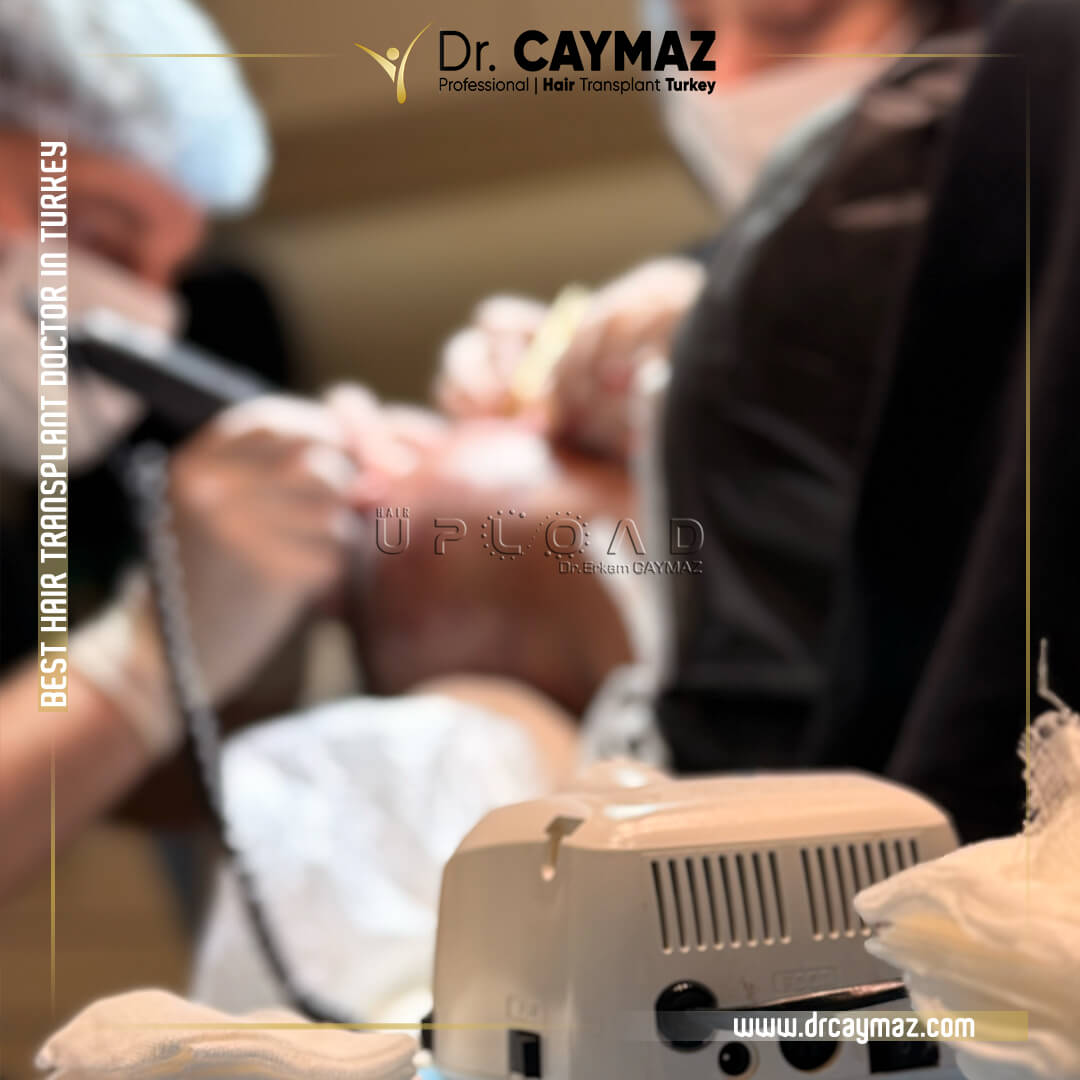
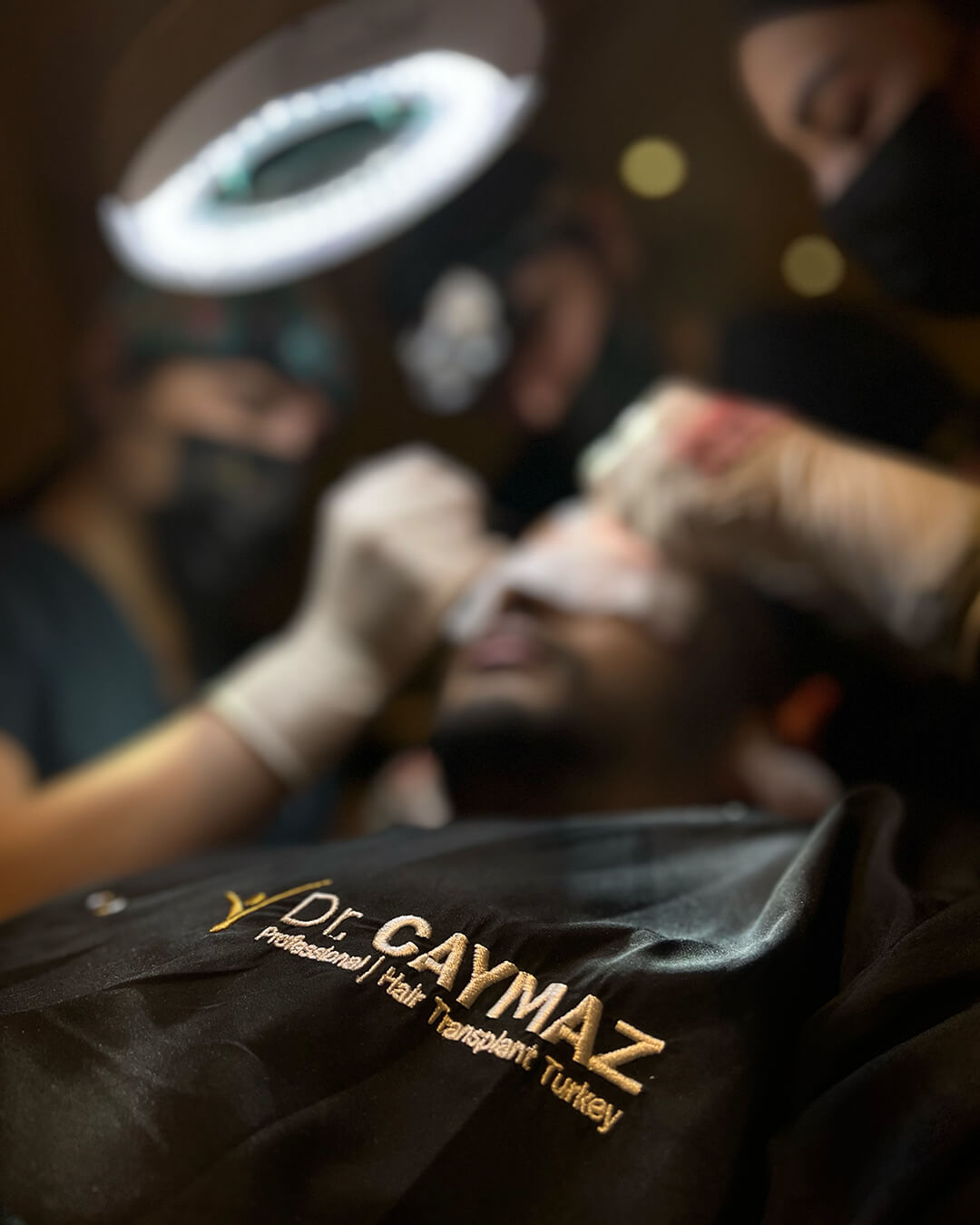
A typical FUE hair transplant at Hair Upload Clinic runs as an outpatient day under local anesthesia. Sessions often last several hours, sometimes most of a working day, depending on graft count and plan. You’re awake the whole time, so comfort matters as much as technique.
Below is what patients usually can and can’t do while grafts are being placed, plus how we keep the field sterile and the head still.
Music and headphones
Most patients bring wireless headphones and a calm playlist. Wireless is safer near the sterile field than cables that can snag. Keep the volume moderate so you can still hear the team if they ask you to hold still or report numbness.
Some rooms also offer clinic headphones. Ask before surgery day what your operating room allows.
Movies, series, and tablets
Many rooms use a tablet or overhead screen for movies or documentaries. Calm content works better than jump-scare thrillers, sudden flinches don’t help graft work. Keep your head position as directed; screens are angled so you don’t need to twist.
Stay in contact with the team
Entertainment doesn’t mean you’re “offline.” Tell the nurse or surgeon if something hurts, if pressure builds, or if you need a short pause. Someone on the team watches comfort and vitals throughout.
Phones and reading
You can often read or browse on your phone if the clinic allows it. Rules that don’t move:
- Keep your head still.
- Use a stand or light grip so you’re not waving the device.
- Take short eye breaks when the team says it’s safe.
Confirm device rules in advance, some rooms want disposable covers; some limit personal devices in sterile zones.
Breathing and quiet focus
Simple breathing drills or a guided audio track help if screens tire you. Lights may be dimmed when it doesn’t interfere with the work. There’s no need for complex “mindfulness programs”, steady breathing is enough for most people.
What you must not do
Sudden head turns, touching donor or recipient sites, and standing up without clearance can disturb grafts or sterility. If you need to shift, ask first. The team will move you when it’s safe.
Local anesthesia and chair comfort
Work is done under local anesthesia, you stay awake and responsive. Neck support, blankets, and an adjustable chair reduce ache over long hours. Extra local can be topped up if a spot wakes up; say something early rather than waiting.
Pacing a long day
Plan content in blocks: shorter episodes, podcasts, or audiobooks when your eyes need a break. Clinics may schedule brief pauses for water, a snack, or restroom use while protecting the grafts.
Before surgery day
- Charge devices and download offline content.
- Wear a button-front top that’s easy to remove without pulling over grafts later.
- Go easy on caffeine if it makes you restless.
- Ask your coordinator exactly what’s allowed in the OR.
After the session
You’ll leave with wash and activity instructions. Skip heavy exercise for about 7-10 days unless your surgeon says otherwise. Follow the written med and wash plan, don’t improvise from social media tips.
FUE vs strip (FUT) and comfort
FUE avoids a long linear donor scar and is the usual approach for patients who want more flexibility during the day. Strip FUT uses a donor incision and often means a different recovery focus. Your plan should match donor anatomy and goals, not entertainment preferences alone.
About sedation questions
Hair transplant at Hair Upload is planned around local anesthesia with you awake. We don’t market deep sedation as a selling point. If anxiety is high, talk through the plan in consultation, don’t assume general anesthesia is routine for this surgery.
FAQs
Can I use my own headphones?
Usually yes, if they’re wireless and don’t block access to the scalp. Confirm with the team.
Will a movie bother the surgeon?
Screens are placed so they don’t interfere with the field. Your job is to keep still.
Can I eat or drink?
Small sips and snacks are often OK on scheduled breaks, follow the room’s rules that day.
What if I need the restroom?
Tell the team. They’ll pause safely when they can.
Can a friend sit in the OR?
Most rooms keep traffic low for sterility. Companions usually wait outside.
When can I exercise again?
Light walking is often fine soon after; hard workouts typically wait about a week or more, follow your written aftercare.
Recovery & planning guides:
Written by : Priya Sharma