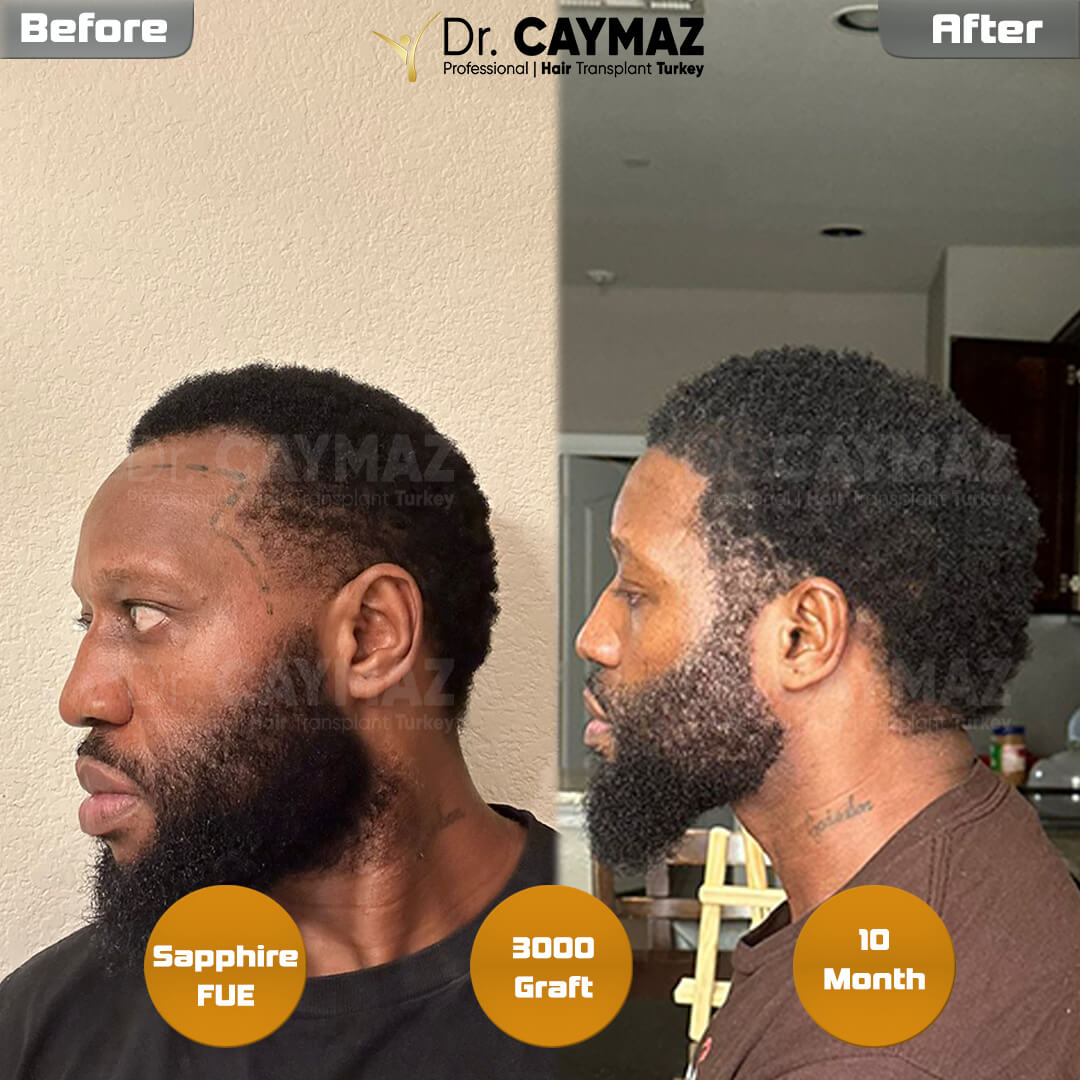
After the hair transplantation is applied, various stages are passed in the 6-month period. While the hair follicles need to be taken care of, conditions such as redness or dandruff may occur during the healing process. Is Dandruff Occurring After Hair Transplantation Normal? The answer is among those who are curious.
Hair transplantation is a method used when a permanent solution is sought for thinning or baldness problems caused by various reasons in men or women. The live hair, which is usually taken from the nape of the patient, is transplanted to the area where the reduction is experienced.
In this way, this treatment method is considered a surgical operation, while the transplantation process is carried out as a result of natural methods from the hair of the person. With this method, which can be applied in various ways, desired results can be obtained.
What is Dandruff?
Dandruff, which can occur in men or women, is a skin problem. What is Dandruff? When investigated, it is possible to see white skin scales on the scalp or hair. Dandruff is not seen as a serious problem, except that it creates an aesthetic problem.
Dandruff can sometimes occur due to skin conditions. When dandruff is to be treated, first of all, if there is an underlying condition, this problem should be eliminated. In addition, it is usually possible to eliminate the problem by using anti-dandruff shampoos.
Hair Transplant
Hair Transplantation is one of the applications that can be preferred when thinning or baldness occurs in the hair. In this process, first of all, live hair, which is called the donor and usually located in the nape area, is used.
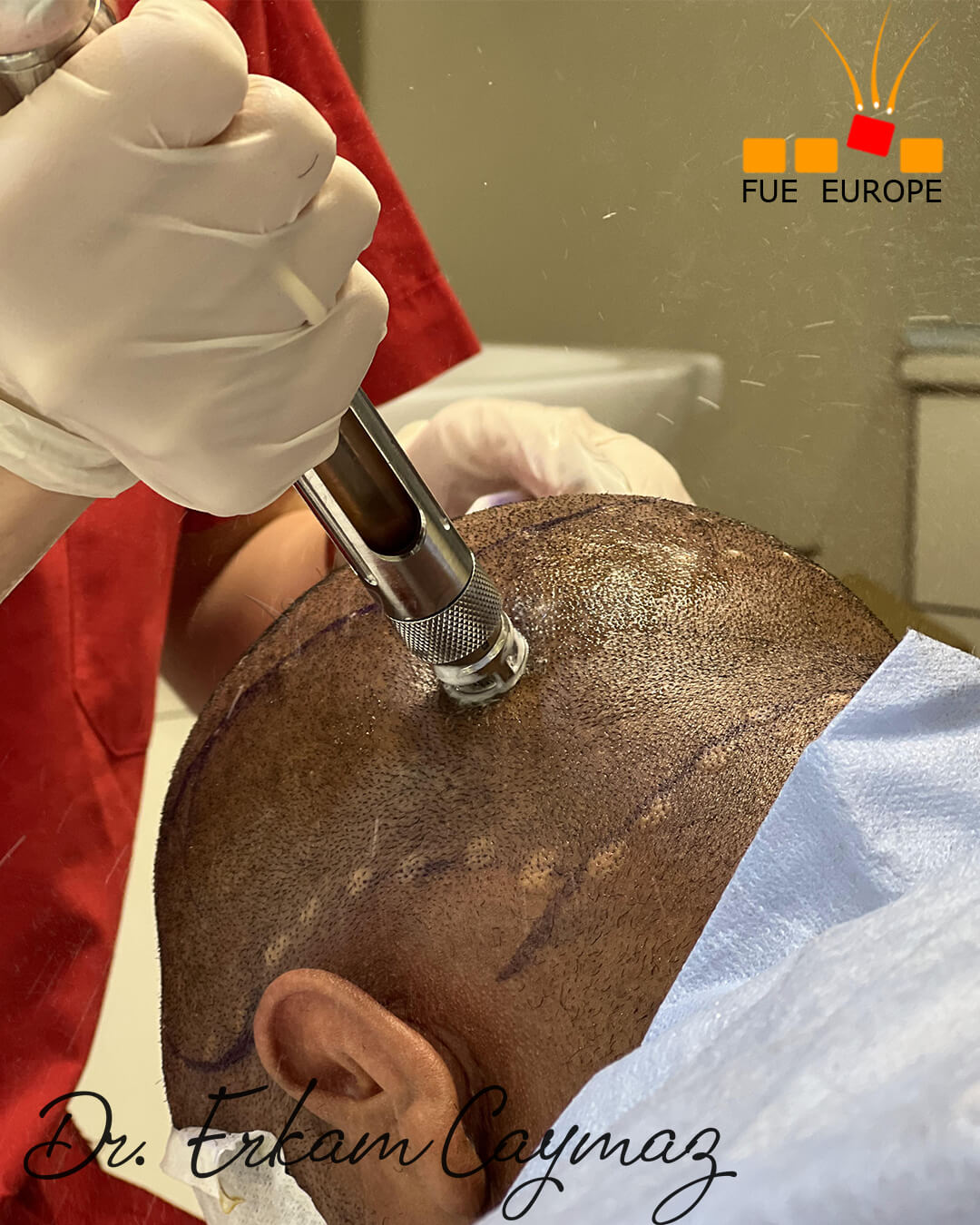
These hair follicles are removed from their locations with special applications and transplanted to the thinning area. This operation is a surgical procedure. After this intervention, which requires a certain healing process, the hair returns to normal at the end of approximately 6 months.
After the intervention, it is necessary to protect the head against impacts and external influences. In order for the hair follicles to hold in the desired proportions, the head must be protected from sudden movements, friction, and impacts for a certain period of time.
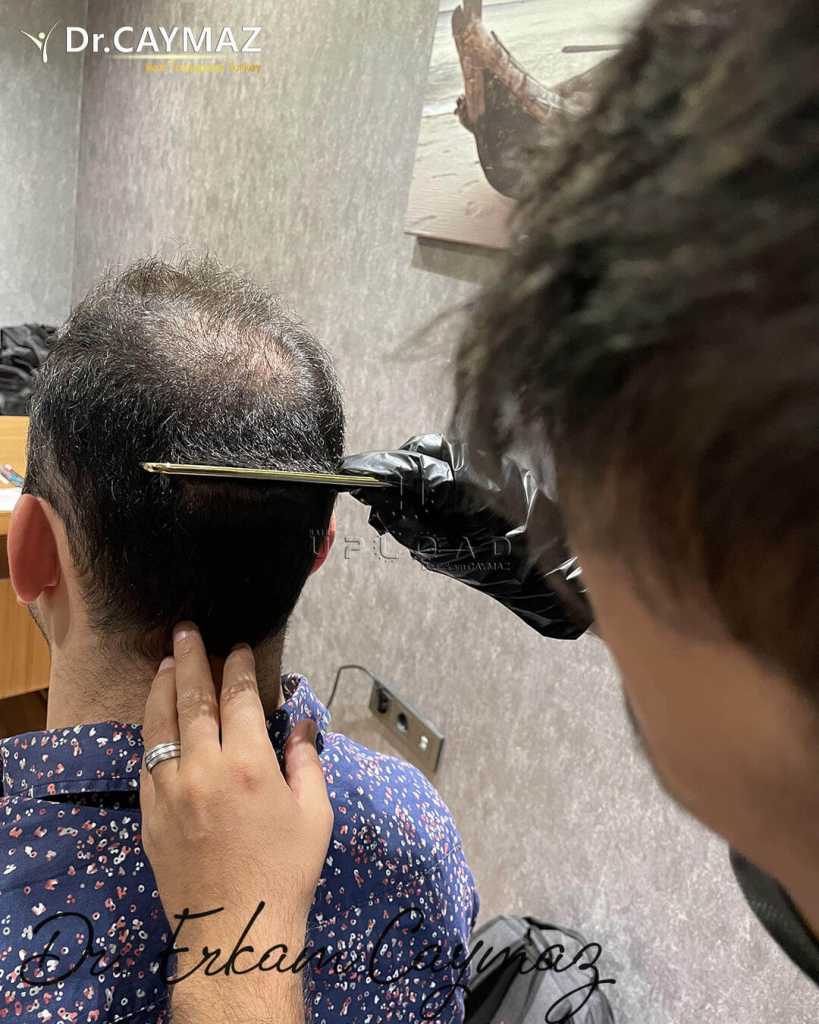
Is Dandruff Occurrence Normal After Hair Transplantation?
Redness, crusting or dandruff formation on the skin is normal after sowing and this may occur within 1-3 months. The 48-hour time after the operation is considered very important.
During this period, it is necessary not to tilt the head forward and to be protected from possible blows to the head. Care should be taken not to let the head rub against the pillow during sleep. Care should be taken as this may lead to the emergence of the transplanted roots.
While it should be known that edema that sometimes occurs within a few days is temporary, it becomes possible to wash the hair at the end of a period of time. It is recommended to follow these processes under the control of a doctor and is necessary to achieve a healthy result.
The crusting that will occur in the planted areas is a condition that can be removed by washing and such effects gradually disappear over time. One month after the operation, it is inevitable to experience a situation called shock shedding, and this is a very normal process.
Conditions such as crusting, redness, swelling, and pain may occur in the post-operative stages, and these appear to disappear in a short time. The rashes that sometimes appear on the scalp also disappear after a while.
Pimples and dandruff formations that sometimes appear in the planting area are also considered normal. This happens during the healing process and it is seen that all complaints disappear in a short time.
In case of excessive dandruff, it is necessary to use dandruff shampoos with the advice of a doctor. In this way, the problem of dandruff is prevented. When the correct information about the developments after the operation is obtained, it is possible to solve the problems that may be encountered in a short time, and thus, it becomes easier to obtain the desired results.
You’ll find that Related guides from Hair Upload Clinic:
Written by : Dr. Erkam C.