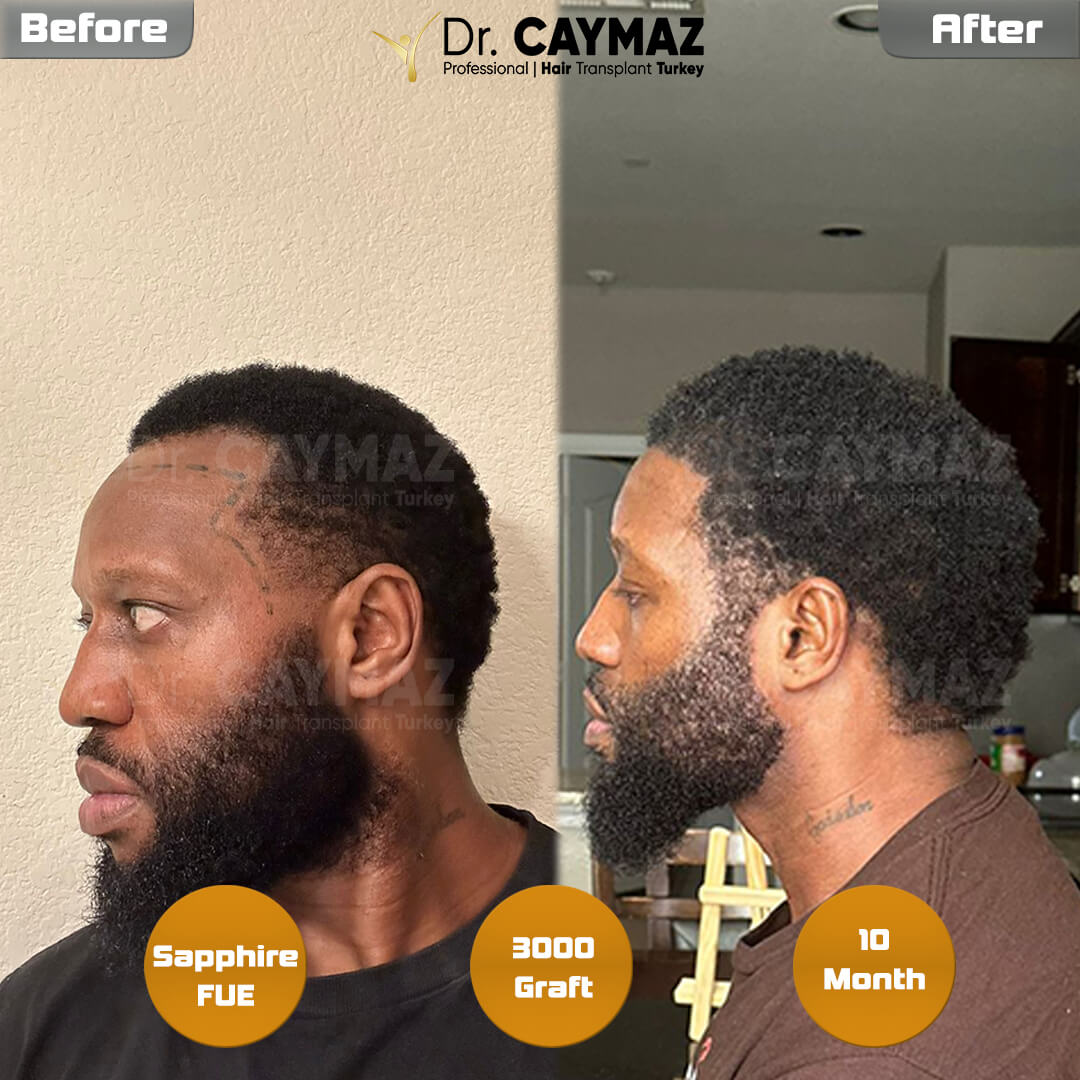
Minoxidil can be a valuable adjunct to hair transplant surgery, both before and after the procedure, to strengthen existing hair and support transplanted grafts. At Hair Upload, Dr. Erkam provides personalised guidance on its use for optimal patient outcomes.
Understanding Minoxidil and Hair Transplantation
Hair transplantation offers a permanent solution for hair loss by relocating healthy hair follicles to balding areas. However, the journey to a full, natural-looking head of hair often involves more than just surgery. Medical therapies, such as Minoxidil, can play a crucial supportive role, both before and after your procedure. Understanding how Minoxidil interacts with the transplant process is key to achieving and maintaining the best possible results.
Minoxidil is a topical medication, commonly known by brand names like Rogaine, that is approved for treating androgenetic alopecia, or pattern baldness. It works by stimulating hair growth and slowing hair loss. While it cannot create new hair follicles, it can strengthen existing ones and prolong their growth phase. When integrated strategically into a hair transplant plan, Minoxidil can significantly enhance the overall outcome, particularly by protecting native hair and supporting the newly transplanted grafts. Many international patients review FUE or DHI hair transplant while planning their trip.
At Hair Upload Clinic in Istanbul, we believe in a coordinated care approach to hair restoration. Dr. Erkam, our lead surgeon, often discusses the potential benefits of Minoxidil with patients, ensuring they understand its role as part of a comprehensive treatment strategy tailored to their individual needs. For clinic-specific context, see comprehensive aftercare instructions.
Indications and Candidacy: Who Benefits from Minoxidil Around a Transplant?
Minoxidil is not a universal requirement for every hair transplant patient, but it is highly beneficial for specific individuals, particularly those with ongoing androgenetic alopecia. The primary indications for its use in conjunction with a hair transplant include:
- Stabilising Existing Hair Loss: Many patients undergoing a transplant still have native hair that is thinning. Minoxidil can help slow down this progressive hair loss, preserving the hair you currently have and creating a denser foundation for the transplanted grafts.
- Strengthening Miniaturised Follicles: Before a transplant, Minoxidil can improve the health and thickness of existing miniaturised (thinning) hairs, making them more robust. This can lead to a better cosmetic blend between native and transplanted hair.
- Supporting Transplanted Grafts: While transplanted follicles are generally resistant to hair loss, Minoxidil can enhance blood flow to the scalp, potentially promoting faster healing and optimising the environment for new graft survival and growth.
- Minimising Post-Operative Shock Loss: It is common for some native hairs around the transplanted area, and sometimes even the transplanted hairs themselves, to temporarily shed after surgery – a phenomenon known as shock loss. While not a guaranteed preventative, Minoxidil can help mitigate the severity and duration of this temporary shedding.
During your personalised consultation at HU Clinic, Dr. Erkam will assess your hair loss pattern, the quality of your existing hair, and your overall health to determine if Minoxidil is a suitable adjunct therapy for your unique case. His recommendations are always based on clinical evidence and individual patient profiles.
The Mechanism: How Minoxidil Works on Hair Follicles
Minoxidil’s exact mechanism of action is not fully understood, but it is believed to work primarily as a vasodilator, meaning it widens blood vessels. When applied topically to the scalp, this increased blood flow is thought to deliver more oxygen, nutrients, and growth factors to the hair follicles. This improved microcirculation can have several beneficial effects:
- Prolonging the Anagen (Growth) Phase: Hair follicles cycle through growth (anagen), regression (catagen), and resting (telogen) phases. Minoxidil helps to prolong the anagen phase, allowing hairs to grow longer and thicker.
- Enlarging Follicle Size: Over time, Minoxidil can help miniaturised hair follicles, which produce thin, fine hairs, to revert to producing thicker, more robust terminal hairs.
- Stimulating Dormant Follicles: It may also stimulate some dormant hair follicles to re-enter the growth phase, leading to increased hair density.
Minoxidil must be used consistently and continuously to maintain its effects. If treatment is stopped, any hair growth stimulated by the medication will likely reverse within several months, and hair loss may resume at its previous rate. This understanding is crucial when considering long-term use in conjunction with your hair transplant.
Minoxidil Use Before Your Hair Transplant
For many patients, beginning Minoxidil a few months before a hair transplant can be highly advantageous. The goal of pre-operative Minoxidil use is to optimise the scalp environment and strengthen existing hair, thereby setting the stage for the best possible surgical outcome.
- Strengthening Native Hair: By making existing miniaturised hairs thicker and healthier, Minoxidil can improve the overall density of your native hair. This creates a better blend with the transplanted grafts and can even reduce the number of grafts needed in some cases.
- Improving Scalp Health: Enhanced blood circulation can contribute to a healthier scalp, which is more receptive to the transplant procedure and potentially aids in faster healing.
- Reducing Pre-operative Shedding: While not a guarantee, consistent Minoxidil use can help stabilise the hair cycle and potentially reduce any excessive shedding that might occur due to stress or other factors leading up to surgery.
Typically, Dr. Erkam advises patients to stop Minoxidil application 7 to 10 days before the scheduled hair transplant surgery. This is primarily a precautionary measure to minimise any potential impact on bleeding during the procedure, as Minoxidil can have a mild vasodilatory effect. Your exact pre-operative instructions will be provided in detail by the HU Clinic medical team, ensuring a smooth and safe surgical experience.
Minoxidil Use Immediately After Your Hair Transplant
The period immediately following a hair transplant is critical for graft survival and initial healing. Reintroducing Minoxidil must be timed carefully to avoid irritating the sensitive scalp or interfering with the healing process.
- When to Restart: Most surgeons recommend waiting at least 10-14 days after your FUE or DHI hair transplant before resuming Minoxidil. This allows the newly transplanted grafts to firmly anchor into their new location and for the initial healing of the recipient and donor areas to progress without interference. Applying Minoxidil too soon could cause irritation, itching, or even dislodge delicate grafts.
- Managing Shock Loss: As mentioned, temporary shock loss of native and sometimes transplanted hairs is a common occurrence a few weeks to months post-surgery. While Minoxidil is not a complete preventative, many patients find that restarting it helps to mitigate the severity and duration of this shedding, encouraging quicker regrowth.
- Supporting Graft Growth: Once the scalp has healed sufficiently, Minoxidil can continue to provide beneficial blood flow and nutrient delivery to the new grafts, potentially enhancing their growth rate and overall vitality.
It is crucial to follow the specific post-operative instructions provided by Hair Upload Clinic. Our team will guide you on the precise timing and method for reintroducing Minoxidil, ensuring it supports your recovery without complications. We also provide comprehensive aftercare instructions, including details on how to care for your donor area and recipient sites, which is vital for the success of your transplant.
Long-Term Minoxidil Use Post-Transplant
A hair transplant addresses areas of baldness by redistributing permanent, DHT-resistant follicles. However, it does not stop the progression of hair loss in your native, non-transplanted hair. This is where long-term Minoxidil use becomes particularly valuable.
- Maintaining Native Hair: For individuals with ongoing genetic hair loss, Minoxidil can be an effective tool to preserve and strengthen the existing native hair. This helps to maintain overall density and prevent new areas of thinning from emerging around your transplanted hair, ensuring a consistent and natural look over the years.
- Enhancing Overall Density: By promoting the health of all hair on your scalp, Minoxidil contributes to a fuller appearance, complementing the density provided by the transplanted grafts.
- Synergistic Effect: When used in conjunction with other medical therapies, such as Finasteride, Minoxidil can offer a synergistic effect, providing a more robust defence against future hair loss.
The decision for long-term Minoxidil use is a personal one, often made in consultation with Dr. Erkam. He will discuss the benefits versus the commitment required, helping you make an informed choice that aligns with your long-term hair restoration goals. Remember, consistency is key for sustained results.
Key Comparison: Minoxidil Usage Phases Around Hair Transplant
Understanding the different phases of Minoxidil use in relation to your hair transplant can help clarify its role and expected outcomes. This table provides a quick reference:
| Phase | Timing Relative to Transplant | Primary Goal | Expected Benefit | Key Consideration |
|---|---|---|---|---|
| Pre-Transplant | Up to 1 week before surgery | Strengthen native hair, optimise scalp | Thicker native hair, potentially less shedding | Stop 7-10 days before surgery to minimise bleeding risk |
| Immediately Post-Op | Generally 10-14 days after surgery | Support graft survival, mitigate shock loss | Faster healing, reduced temporary shedding | Do not apply too early; avoid irritation to new grafts |
| Long-Term Maintenance | From 3-4 weeks post-op onwards | Preserve native hair, enhance overall density | Sustained density, prevention of new hair loss | Consistent, continuous use required for ongoing effects |
Risks, Limits, and Potential Side Effects
While generally safe and well-tolerated, Minoxidil is not without potential side effects. Being aware of these can help you manage your treatment effectively:
- Scalp Irritation: The most common side effects include itching, redness, dryness, or flaking of the scalp. This can sometimes be due to the alcohol content in some Minoxidil formulations. Lower strength solutions or foam formulations may be better tolerated.
- Initial Shedding (Minoxidil Shed): When you first start using Minoxidil, you might experience an increase in hair shedding for the first few weeks. This is usually a temporary phase, indicating that the medication is working by pushing old, resting hairs out to make way for new, healthier ones. It typically resolves within a few months.
- Unwanted Hair Growth: In rare cases, Minoxidil can cause unwanted hair growth on other parts of the body, such as the face, particularly if it drips or is not washed off hands thoroughly after application.
- Allergic Reactions: Though uncommon, some individuals may experience an allergic reaction to Minoxidil or its inactive ingredients.
- Cardiovascular Effects: As a vasodilator, Minoxidil can, in very rare instances, cause systemic effects like dizziness, rapid heartbeat, or swelling, especially if absorbed in large quantities. This is more common with oral Minoxidil, which is prescribed for blood pressure, rather than the topical form.
It is important to discuss any concerns or side effects with your medical team at Hair Upload Clinic. While Minoxidil can be highly effective, it is not a magic cure. It works best for early to moderate hair loss and as a supportive therapy for hair transplantation. It will not regrow hair in completely bald areas where follicles have been dormant for many years. Realistic expectations are key to satisfaction with any hair restoration plan.
Practical Clinic Notes for International Patients
For our international patients travelling to Istanbul for their hair transplant, navigating medication protocols like Minoxidil requires careful planning. Hair Upload Clinic is committed to making your entire journey as smooth as possible, from your initial consultation to your long-term aftercare.
Here are some practical considerations:
- Pre-Departure Consultation: Before you even arrive in Istanbul, Dr. Erkam and our team will provide comprehensive instructions regarding Minoxidil use. This includes when to stop before surgery and when you can expect to restart.
- Post-Operative Guidance: You will receive detailed written and verbal instructions on your aftercare, including precise guidance on Minoxidil reintroduction. We ensure you understand how to apply it correctly without disturbing your newly transplanted grafts.
- Product Availability: Minoxidil is widely available over-the-counter in most countries. We can advise you on common brands and formulations (liquid or foam) that are suitable for post-transplant use.
- Communication Channels: Our dedicated patient coordinators are available to answer any questions you may have before, during, and after your stay in Istanbul. We maintain open lines of communication to ensure you feel supported throughout your recovery and beyond.
- Long-Term Follow-up: HU Clinic offers remote follow-up consultations to monitor your progress and provide ongoing advice, including continued Minoxidil use. This ensures you maintain the best possible results from your procedure.
We understand that travelling for a medical procedure can be daunting, but our aim is to provide a VIP, boutique experience where every detail, including your medication regimen, is meticulously planned and communicated. For those considering a hair transplant, understanding the role of supportive treatments like Minoxidil is part of a complete donor area planning guide and overall strategy for success.
Hair Upload Clinic’s Approach: Dr. Erkam’s Insight
At Hair Upload Clinic, we view hair restoration as a blend of art and science. Dr. Erkam, our founder and lead surgeon, emphasises the importance of individualised care, which extends to the use of supportive medications like Minoxidil. “While a hair transplant provides the structural foundation for new hair, Minoxidil can act as a crucial ‘fertiliser’ for both your transplanted and native hairs,” explains Dr. Erkam. “It helps us grow new hair and protect the hair you already have, ensuring a more comprehensive and enduring result.”
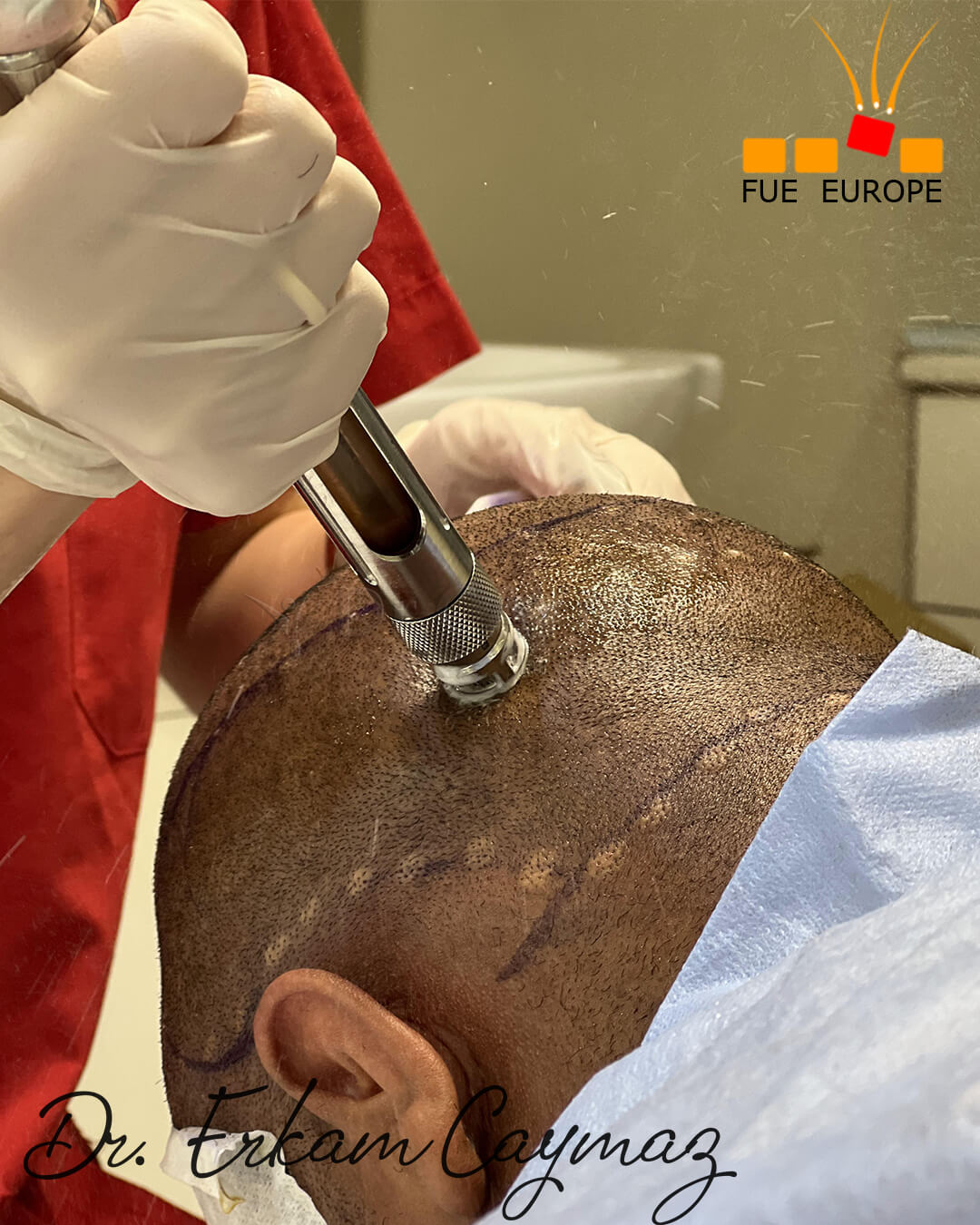
Our commitment to a low daily volume of 1-2 VIP operations allows Dr. Erkam to personally oversee each case, from detailed consultation and hairline design to performing the critical channel opening with Sapphire FUE blades. This surgeon-led approach ensures that every aspect of your treatment plan, including the integration of medical therapies like Minoxidil, is meticulously considered and tailored to your unique physiology and aesthetic goals. We believe this careful planning and execution are paramount to achieving the outstanding, natural-looking results our patients expect from Hair Upload Clinic in Istanbul.
Clinic insight: At HU Clinic in Istanbul, Dr. Erkam often recommends Minoxidil as a vital adjunct therapy, customising its application schedule before and after Sapphire FUE or DHI procedures to enhance graft survival and strengthen existing native hair for superior long-term results.
Frequently Asked Questions
When can I start using Minoxidil after my hair transplant?
Generally, you should wait 10-14 days after your hair transplant before resuming Minoxidil. This allows the newly transplanted grafts to secure themselves and the scalp to heal, preventing irritation or dislodgement.
Will Minoxidil prevent shock loss after my hair transplant?
Minoxidil can help mitigate the severity and duration of post-operative shock loss, but it is not a complete preventative. It supports quicker recovery and regrowth of affected hairs.
Do I need to use Minoxidil forever after my hair transplant?
If you have ongoing genetic hair loss, continuous use of Minoxidil is often recommended to maintain its benefits on your native hair and prevent further thinning. If you stop, any hair growth stimulated by it will likely reverse.
Can Minoxidil thicken transplanted hair?
Minoxidil primarily strengthens and thickens existing hair follicles. While transplanted hairs are robust, Minoxidil can create an optimal environment for their growth, potentially enhancing their thickness and vitality.
What if I experience irritation from Minoxidil after my transplant?
If you experience significant itching, redness, or irritation, stop using Minoxidil and contact Hair Upload Clinic. Our team can advise on alternative formulations or adjustments to your routine.
Sources: International Society of Hair Restoration Surgery (ISHRS); American Academy of Dermatology Association (AAD); Olsen EA, et al. (2018). Minoxidil in the treatment of alopecia androgenetica.; Messenger AG, et al. (2012). Minoxidil: mechanisms of action on hair growth.
Medical disclaimer: This page is for education only and does not replace a consultation with Dr. Erkam at Hair Upload Clinic (HUC). Individual assessment is required.
Why Consider Minoxidil with Your Hair Transplant?
While a hair transplant at HU Clinic in Istanbul provides a permanent solution for hair loss, supportive treatments like Minoxidil can significantly enhance overall density and the health of your native hair. Dr. Erkam carefully assesses each patient’s suitability for Minoxidil, integrating it into a comprehensive post-operative care plan to optimise your results.
Written by : Amara Okafor