Introduction
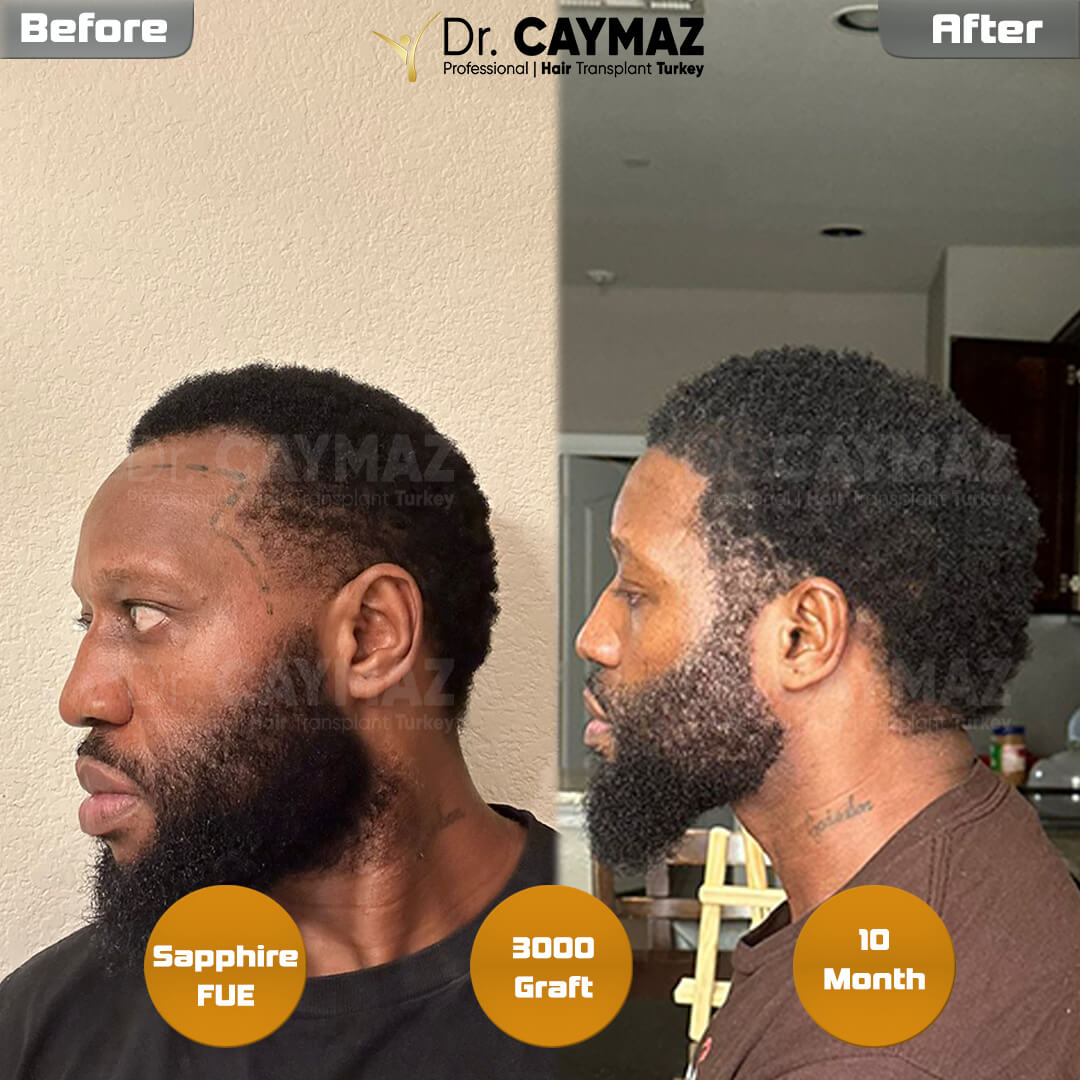
Norwood 6–7 patients usually need 5,000–7,000+ grafts across one or two sessions, prioritising hairline and mid-scalp before crown. At Hair Upload (HU), before-and-after photos show what density is achievable when donor reserves are limited.
Hair loss is a common problem that affects millions of people worldwide. While it’s often a source of distress for those who suffer from it, the good news is that there are several treatment options available. Below we’ll be looking at two case studies involving individuals with Norwood 6-7 hair loss patterns. By examining their experiences, we can better understand the challenges faced by those with advanced hair loss and the potential solutions available to them.
Norwood Scale
The Norwood Scale is a widely accepted classification system for male pattern hair loss. It consists of seven stages, with each stage representing an increasing level of hair loss.
Norwood 1-2
These stages represent minimal to no hair loss.
Norwood 3-4
These stages show noticeable recession at the temples and thinning at the crown.
Norwood 5
At this stage, hair loss becomes more severe, with significant thinning on the crown and the hairline continuing to recede.
Norwood 6
At this stage, the hair loss is significant, with a large bald area extending from the front to the crown. The remaining hair on the sides and back of the head is typically still thick.
Norwood 7
This is the most severe stage of hair loss, where only a thin band of hair remains around the sides and back of the head. The top of the scalp is entirely bald.
Causes of Norwood 6-7 Hair Loss
Genetics, hormonal imbalances, and aging are the primary causes of hair loss, specifically the Norwood 6-7 stages.
Case Study 1: Regrowth Success with Medication
John, a 45-year-old man, began experiencing hair loss in his mid-30s. By the time he reached his early 40s, he was at a Norwood 6-7 stage. After consulting with his doctor, John started taking medications like minoxidil and finasteride. Within a year, John experienced noticeable hair regrowth, especially on the crown area.
Case Study 2: Hair Transplant Transformation
Mike, a 38-year-old man, struggled with Norwood 7 hair loss. He opted for a hair transplant procedure, which involved harvesting hair follicles from the back of his head and implanting them into the balding areas. After two sessions, Mike’s hair had dramatically improved, giving him a more youthful appearance.
Case Study 3
Background
John, a 45-year-old man, began experiencing hair loss in his early 30s. Over time, his hair loss progressed to a Norwood 6-7 level. He was self-conscious about his appearance and felt it affected his personal and professional life.
Treatment Approach
John decided to consult with a hair restoration specialist who recommended a combination of treatments, including medications like minoxidil and finasteride, as well as a hair transplant using the FUE (Follicular Unit Extraction) method.
Results
After several months of following the recommended treatment plan, John experienced significant improvement in his hair density and coverage. While his hairline did not return to its original position, the transplant successfully filled in the bald areas, greatly improving his overall appearance.
Case Study 4
Background
Michael, a 52-year-old man, also suffered from Norwood 6-7 hair loss. He had tried various treatments in the past, including over-the-counter medications and laser therapy, with little success.
Treatment Approach
Michael’s hair restoration specialist recommended a two-step approach. First, he would undergo scalp micropigmentation (SMP) to create the illusion of a fuller head of hair. This would be followed by a hair transplant using the FUT (Follicular Unit Transplantation) method to add real hair density.
Results
The combination of SMP and FUT provided Michael with a natural-looking, denser hairline. While the SMP helped to create the appearance of hair in the thinning areas, the FUT procedure provided actual hair growth, further enhancing his overall appearance. Michael was extremely satisfied with the results, and his self-confidence improved significantly.
Hair Transplantation
Hair transplantation is a popular option for those suffering from advanced hair loss, as it can provide natural-looking, long-lasting results. There are two main methods of hair transplantation: FUT and FUE.
FUT vs. FUE
FUT (Follicular Unit Transplantation) involves removing a strip of skin from the back of the head, which is then dissected into individual follicular units for transplantation. This method can leave a linear scar on the donor area but allows for a larger number of grafts to be transplanted in a single session.
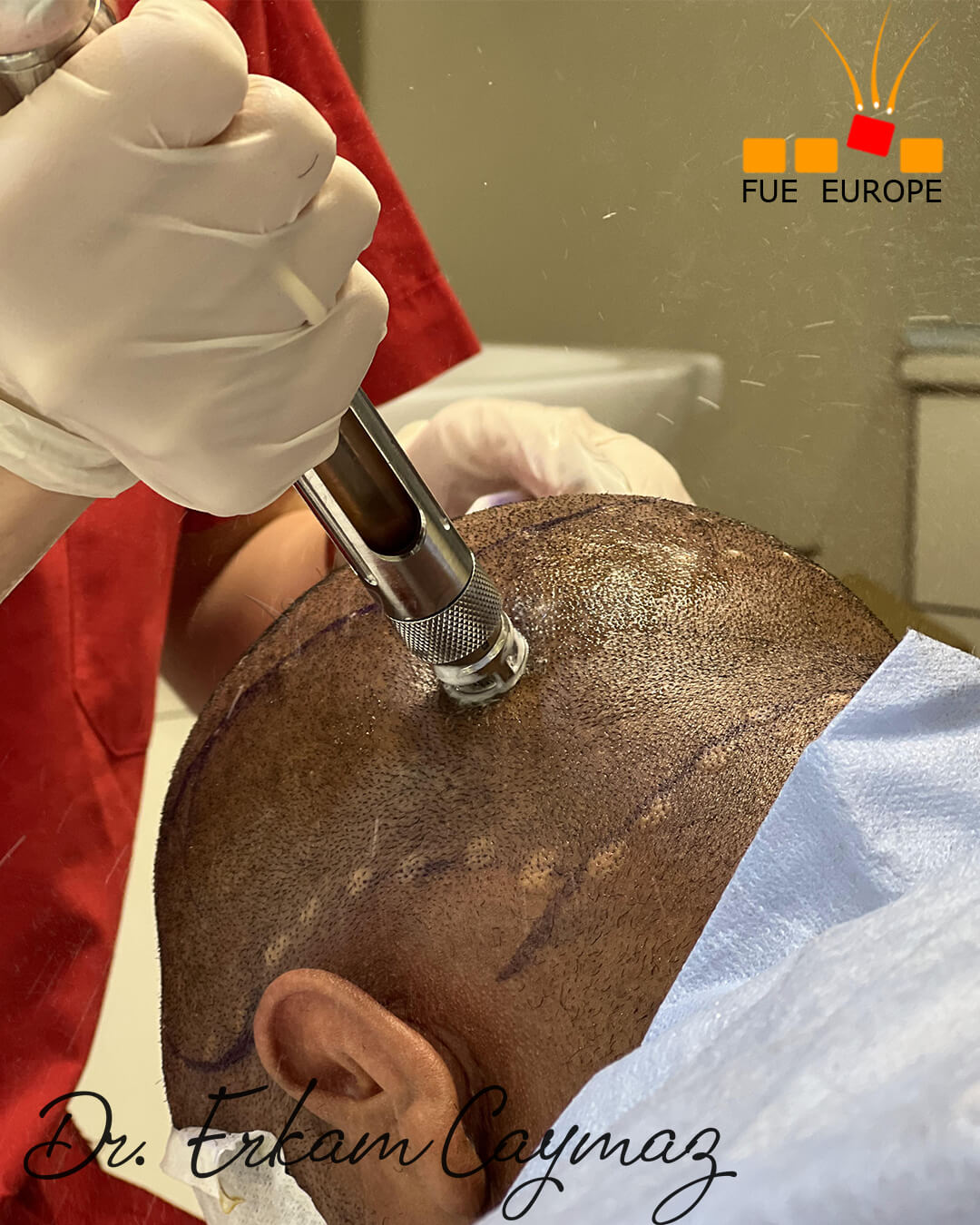
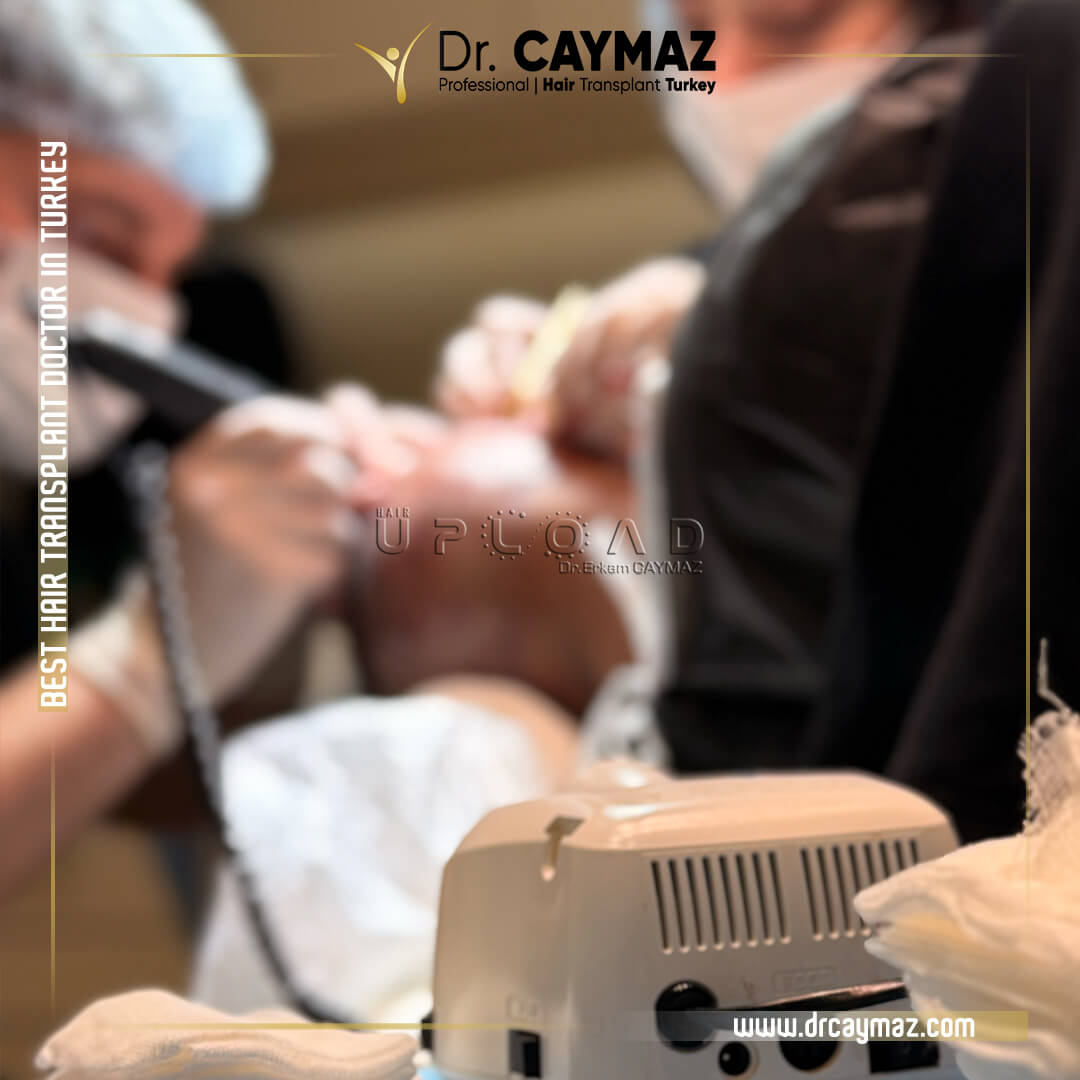
FUE (Follicular Unit Extraction) is a more recent technique that involves harvesting individual hair follicles from the donor area using a tiny punch device. This method leaves minimal scarring and has a quicker recovery time but may require multiple sessions to achieve the desired results. We’re using Sapphire blade with FUE technique called Sapphire Fue Hair Transplantation.
Ideal Candidates
Ideal candidates for hair transplantation are those with sufficient donor hair, realistic expectations, and good overall health. It’s essential to consult with a qualified hair restoration specialist to determine the most suitable treatment options for each individual case.
Conclusion
Norwood 6-7 hair loss can be challenging to treat, but successful case studies like those of John and Michael demonstrate that it is possible to achieve excellent results through a combination of treatments. Hair transplantation, in particular, offers the potential for significant improvement in hair density and coverage. It’s crucial for individuals with advanced hair loss to consult with a hair restoration specialist to determine the best course of action for their specific situation.
**We’re not performing with FUT**
FAQs
Related guides from Hair Upload Clinic:
- Top hair transplant clinics worldwide
- Hairline design for men and women
- Best donor areas for hair transplant
- Shock loss after transplant: what is normal
Frequently Asked Questions
Can Norwood 7 be fully restored in one session?
Rarely, surgeons stage zones and may accept lower crown density.
How long until results look natural?
Plan 12–18 months; advanced cases look fuller at the hairline first.
Is body hair used for Norwood 6–7?
Sometimes as backup when occipital donor is depleted, not a first choice.
Sources: ISHRS patient resources.
Medical disclaimer: This page is for education only and doesn’t replace a consultation with Dr. Erkam at Hair Upload (HU) (HUC). Individual assessment is required.
Written by : Amara Okafor