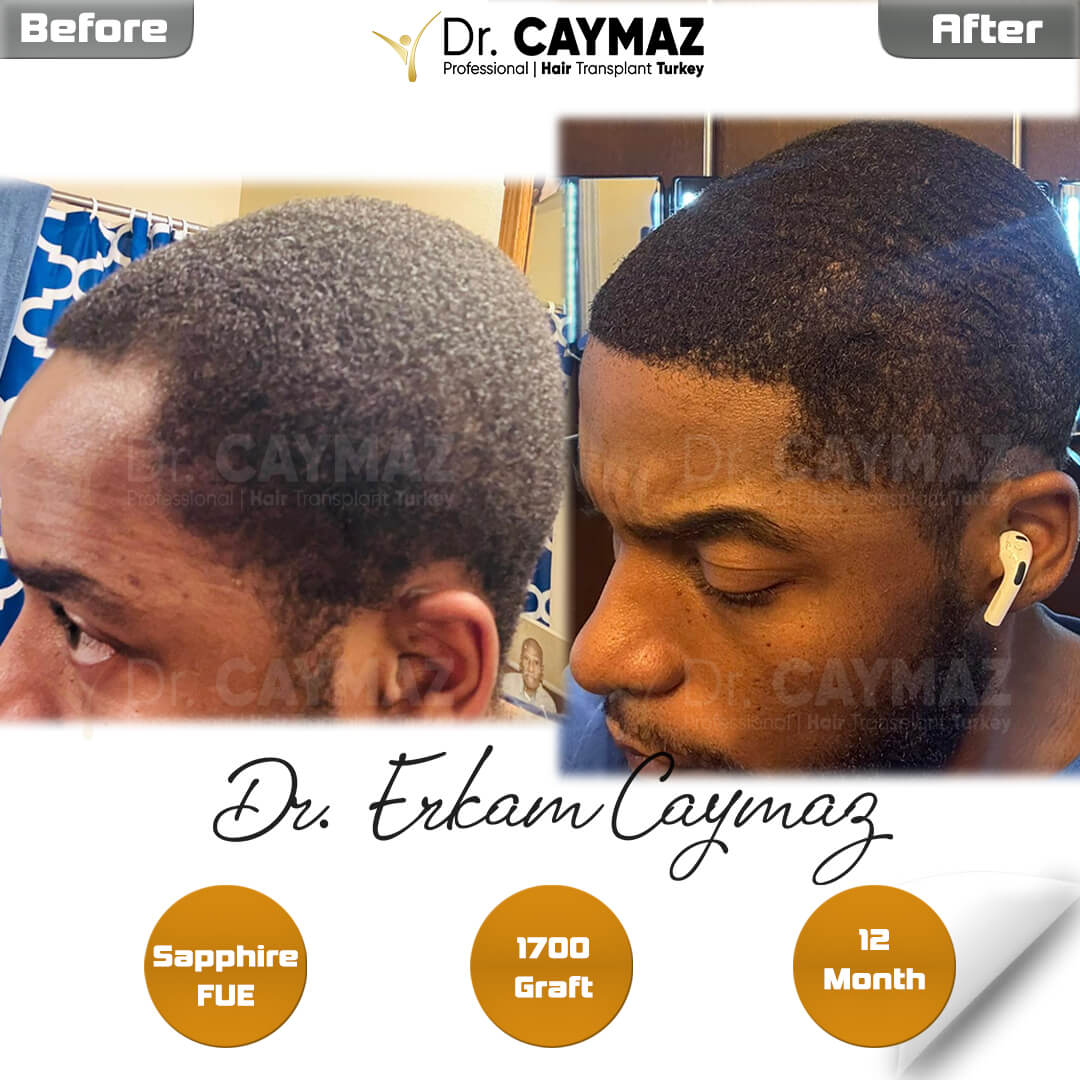
One of the first questions that come to mind is the question of whether all 100% transplanted hair will grow in hair transplantation. Is there a guarantee that all transplanted hair will grow?
After deciding on hair transplantation with great hopes and the operation is performed, a stressful waiting period begins. While patients are waiting impatiently for their new hair to grow, they also wonder whether all the transplanted hair will grow. What is the success rate of the operation?
The nape area, which is the first donor area that comes to mind in hair transplantation, is not sensitive to the DHT hormone. Therefore, after the hair is transplanted, there is no new shedding due to the DHT hormone, and the hair transplant can be used for life. Although there is a shock shedding after the operation, this will pass within a few weeks and new hairs begin to grow.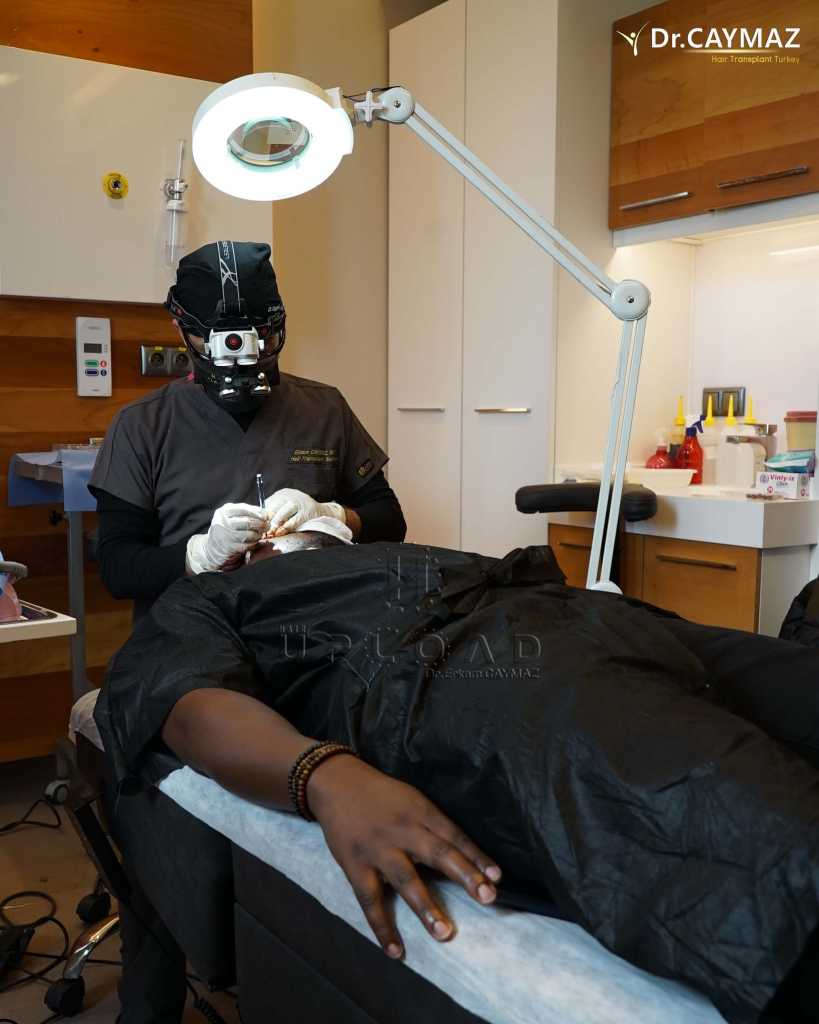
Will the transplanted hair grow 100% in hair transplantation?
Hair growth rate by months:
10% for the first 3 months
4th and 5th Months 20% -30%
6th and 7th Months 40% -50%
8th and 9th Months 60% -70%
10th and 15th Months 80% -90%
In general, all of the transplanted hair grows in a large percentage of patients. However, this situation may differ from person to person. Genetic factors or a person’s metabolism can affect the growth of all hair. However, even if not 100%, the transplanted hair grows to a great extent. Crown area’s result up to 18 Months (for %100)
Even if the operation was successful, why are my results still not good after 1 year?
A little patience is required for the transplanted hair to grow and cover the empty parts. This usually happens within a year at the latest, but some people may need longer. However, although very rare, unsuccessful operations may occur. General reasons for this:
- Inadequacy and inexperience of the doctor or technician operation
- Not following all the rules after the operation
- Hair transplant even though you’re not a suitable candidate for the operation.
- The emergence of diseases such as diffuse alopecia or lichen planopilaris after hair transplantation
- Not good density incision / not enough good donor capacity
- Excessive smoking, intense stress
What should we do to have better hair transplant results?
You’re responsible for everything you need to do after the operation. However, despite the inadequacy of a doctor and you’re not a suitable candidate, you’re never responsible for complications and unsuccessful hair transplantation. In order not to experience these negative consequences, it is very important that you entrust yourself to trusted people.
You should follow all the recommendations given to you after hair transplantation. We’ll recommend you to read our Hair Transplantation After Care article on this subject.
The question to ask yourself in case the first operation fails:
Should I have a revision?
So should you have a second hair transplant operation?
In some cases, hair transplantation operations performed at a young age should be repeated in later years. If hair loss is still continuing, a second hair transplant may be required to cover the areas left empty by other hair except for the transplanted hair. It is necessary to wait at least 12 months for a second operation. If your hair density is not good you can do second session for more density.
If your first operation was unsuccessful and the reason is that you’re a suitable candidate for hair transplantation, a second hair transplant won’t work. For detailed information on this subject, we see our post on people who are not suitable for hair transplantation.
However, after a doctor’s mistake or an illness that needs to be treated, you can have a second hair transplant. In a second operation, possible errors in the first hair transplant can be corrected to some extent. It should be noted that even if a second operation is performed on a 5% human slice, perfect results can’t be obtained. The underlying reasons for this include hormone deficiencies, low blood circulation, genetic problems, and idiopathic causes. In order to have a second hair transplant operation, there must be enough hair in the donor area.
Related guides from Hair Upload Clinic:
Written by : Hair Upload - Hair Transplant Turkey - HU Clinic